

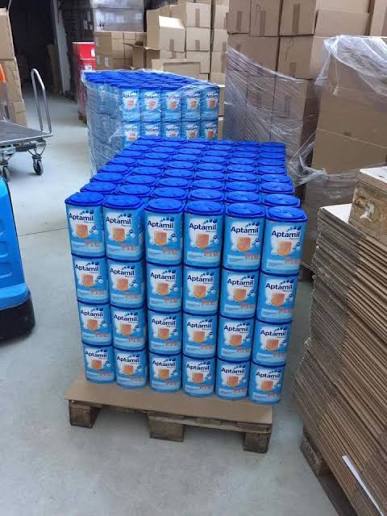
A full container infant formula shipping programme is not simply a larger purchase order. It is an inventory, compliance and cash-flow decision that can protect retail availability for months – or create costly pressure if product mix, shelf life or import paperwork are not aligned. For established importers, distributors and retail groups, the objective is clear: secure genuine branded formula at a workable landed cost, with the documents and delivery planning needed to keep stock moving.
Full-container orders are particularly effective where demand is stable, warehouse capacity is available and the destination market can clear goods efficiently. They are less suitable when a buyer is testing a new brand, lacks reliable consumption data or needs an unusually broad range of slow-moving specialist SKUs. The right shipment structure depends on the commercial plan behind it.
When Full Container Infant Formula Shipping Makes Sense
A full container load, commonly called FCL, gives the buyer exclusive use of the container. Compared with smaller consolidated consignments, it can reduce freight cost per case, limit handling points and provide greater control over loading configuration. That matters for infant nutrition, where outer-case condition, batch traceability and predictable arrival dates affect both customer confidence and operational continuity.
The strongest case for FCL is usually a repeat-order programme. A supermarket group may need a dependable supply of Aptamil follow-on and toddler ranges across several regions. A pharmacy distributor may require core stage formulas alongside a controlled volume of anti-reflux, comfort or lactose-free products. An e-commerce operator may use container-scale purchasing to protect availability during known high-demand periods.
However, filling a container because the freight rate appears attractive can be a false economy. Formula has a finite shelf life, and stock that sits too long ties up working capital and may require discounting. Buyers should forecast sell-through by SKU, not just by brand family, then build the load around confirmed demand. Fast-moving core lines can carry the volume, while specialist products should be included only in quantities that can be sold within the buyer’s preferred shelf-life window.
Start With the Product Mix, Not the Container Size
Container planning should begin with the market requirement: authorised products, label language, preferred formats, stage mix and expected monthly sales. Only then should the buyer decide whether a 20-foot or 40-foot container is appropriate. Cubic capacity, case dimensions, pallet configuration and weight limits all influence the final loading plan.
A practical order often combines several compatible branded lines rather than relying on a single SKU. European-sourced ranges may include Aptamil, Nutrilon, HiPP Organic, Cow & Gate, SMA, Enfamil, Similac or other recognised products, subject to availability and destination-market requirements. The commercial value is in creating a balanced shipment that supports regular replenishment rather than producing excess inventory in one line and shortages in another.
Before confirming quantities, procurement teams should agree four points internally: the minimum acceptable remaining shelf life on arrival, the maximum inventory holding period, the expected sales rate per SKU and the warehouse space available for the consignment. These details make a quotation more useful because the supplier can help shape case quantities and loading options around the real requirement.
Core lines and specialist formulas need different forecasts
Stage 1, follow-on and toddler formulas often provide consistent volume, but demand patterns vary by country, retailer and channel. Specialist products require more caution. Goat-milk, organic, premature, anti-reflux, comfort and lactose-free formulas may deliver strong margins and customer loyalty, yet their volumes can be less predictable.
It can be sensible to include specialist ranges in a full container if historical sales support them. If demand is unproven, a mixed pallet or smaller trial order may be the better first step. Container economics should support the range strategy, not force an unsuitable assortment.
Protect Product Integrity Before Loading
Infant formula is a sensitive, high-value food product. The shipment plan should preserve product condition from warehouse release to destination receipt. Export-ready outer packing, clean palletisation, stable stacking and appropriate container loading reduce the risk of crushed cases, moisture exposure and avoidable claims.
Temperature management also deserves a commercial discussion. Most powdered formulas do not require refrigerated transport, but they should be protected from extreme conditions, prolonged port delays and poor storage practices. The appropriate approach depends on the route, season, transit time and destination climate. A buyer shipping to a hot, humid market may reasonably require additional precautions that are unnecessary on a short European route.
Container loading should also support traceability. Cases and pallets need to remain identifiable, and batch records should correspond to the commercial documents. Where a container holds multiple SKUs or batches, a clear packing list is essential for warehouse receiving, customs queries and any later quality investigation.
Documentation Is Part of the Goods
For cross-border formula trade, incomplete or inconsistent documents can delay a shipment just as effectively as a missed sailing. Buyers should confirm documentary requirements early, especially where local food authorities, customs brokers or banks require specific formats before release or payment.
The standard export file commonly includes the commercial invoice, packing list, transport document and applicable origin or customs-support materials. Depending on the destination, buyers may also need product specifications, ingredient and nutrition information, certificates requested by authorities, batch details, shelf-life data, label images or other market-entry documents.
Requirements differ significantly between countries. Importers remain responsible for ensuring that the product, packaging, labelling and documentation meet the laws of the destination market. A supplier can provide accurate product and shipment information, but that does not replace the importer’s own regulatory review, local registration process or customs advice.
This is why paperwork should be checked before loading rather than after the vessel departs. Confirm the consignee name, product descriptions, quantities, values, Incoterms, tariff classifications where required and document language. Small discrepancies can become expensive when a consignment is already at port.
Choose Incoterms and Logistics Responsibilities Carefully
A full-container transaction needs a clear division of responsibility. The agreed Incoterm determines who arranges transport, who manages export formalities, where risk transfers and which costs sit with each party. There is no single best option for every buyer.
Experienced importers with established freight forwarders may prefer to control main carriage and destination handling. Buyers entering a new trade lane may value broader logistics coordination from the export side. The key is to avoid assumptions. Port charges, inspections, demurrage, detention, inland delivery, cargo insurance and destination clearance must be understood before the order is placed.
Freight schedules can change, ports can congest and customs inspections can occur without warning. A dependable programme therefore includes contingency time in the inventory plan. Do not set replenishment dates around the best-case transit estimate. Build a buffer that reflects the route’s actual operating conditions and the importance of the affected SKUs.
Build a Repeatable Ordering Process
The most effective container business is planned as a supply cycle, not negotiated from zero each time. A rolling forecast gives both buyer and supplier a clearer view of upcoming requirements, allowing better preparation for stock allocation, product sourcing, documentation and loading dates.
At Baby Formula EU, wholesale enquiries can be structured around brand requirements, target quantities, destination port, preferred shipment timing and documentation needs. This gives professional buyers a stronger basis for comparing product availability, packing options and commercial terms than a general request for a container price.
For repeat orders, retain a simple shipment record covering purchase order details, batches, production or best-before information, documents issued, container number, sailing date, arrival date and receiving outcome. Over time, this record improves demand planning and makes exceptions easier to resolve. It also helps buyers identify whether delays arise from supply preparation, ocean freight, clearance or their own warehouse operations.
Questions to Settle Before Requesting a Quote
A precise enquiry avoids delays and produces more accurate commercial planning. Buyers should be ready to state the destination country and port, desired brands and formulas, estimated case quantities, preferred shelf-life requirement, required label language, target loading period and whether they need support with export documents or freight coordination.
It is also useful to clarify whether the order is for immediate distribution, a tender, a retail launch or ongoing replenishment. A tender may need fixed documentary wording and strict delivery milestones. A retail launch may need a wider initial assortment. A replenishment order may prioritise speed and continuity of the bestselling lines. These are different commercial jobs, even when the container volume is similar.
The best full-container programme is the one that arrives with saleable stock, readable paperwork and enough time for customs clearance before shelves need replenishing. Start with real demand, confirm the regulatory path and treat every shipment record as groundwork for a more predictable next order.

5 thoughts on “Full Container Infant Formula Shipping Plans”