

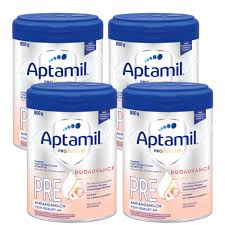
Aptamil Direct Supplier: Wholesale, Bulk, Pallet and Global Retail Supply
Finding a reliable Aptamil direct supplier can help importers simplify purchasing, control inventory, and maintain consistent retail availability. Supermarkets, pharmacies, wholesalers, and distributors need dependable commercial supply.
Moreover, international buyers require accurate product information, transparent documentation, suitable packaging, and efficient logistics. Therefore, a professional sourcing strategy should focus on both supply reliability and destination requirements.
This guide targets buyers in Germany, the UK, Ireland, Australia, the Middle East, Southeast Asia, and worldwide markets.
Why Choose an Aptamil Direct Supplier?
Direct sourcing can create a clearer purchasing process. However, buyers should verify the supplier’s commercial relationship before placing substantial orders.
A reliable Aptamil direct supplier should provide clear product details and commercial information. Buyers should also confirm whether the supplier operates as a manufacturer, distributor, wholesaler, or authorized trade partner.
Before ordering, professional buyers should verify:
- Product name and variant
- Intended market
- Country of origin
- Batch information
- Expiry details
- Packaging format
- Carton configuration
- Pallet quantities
- Minimum order quantity
- Lead time
- Export documentation
- Storage requirements
Furthermore, product specifications can vary between markets. Therefore, importers should confirm labels, formulations, packaging, and regulatory requirements before purchasing.
This approach helps retailers avoid confusion and supports more efficient international procurement.
Aptamil Supplier UK and Germany for Commercial Buyers
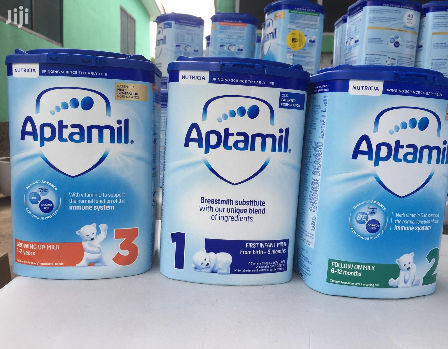
Businesses searching for an Aptamil supplier UK often require recurring wholesale supply. Similarly, an Aptamil supplier Germany may need to support supermarket, pharmacy, and distribution networks.
However, buyers should verify the market designation of every product. Aptamil products may have different labels and specifications across markets.
For European buyers, Aptamil wholesale Europe can support multiple commercial channels. These include supermarkets, pharmacies, grocery stores, independent retailers, and regional distributors.
Additionally, businesses researching an Aptamil manufacturer Europe should check supplier credentials and documentation carefully.
German retailers can also search for an Aptamil supermarket supplier Germany that understands local wholesale requirements.
Meanwhile, an Aptamil distributor UK can support retailers that need reliable stock availability and planned deliveries.
Aptamil Pharmacy Wholesale UK and Retail Supply
Pharmacies often require consistent product availability. Therefore, Aptamil pharmacy wholesale UK purchasing should include clear product information and appropriate documentation.
Likewise, supermarkets need dependable wholesale supply for fast-moving products.
A professional supply partner can support:
- Pharmacy wholesale
- Supermarket supply
- Grocery distribution
- Independent retail
- Regional distribution
- Bulk trade orders
- Pallet shipments
- Retail replenishment
Moreover, buyers should confirm carton and pallet configurations before placing large orders.
Accurate packing information helps purchasing teams estimate warehouse space and transportation requirements.
For independent retailers, flexible quantities can also support demand-based purchasing.
Aptamil Bulk Supplier Europe for Pallet Purchasing
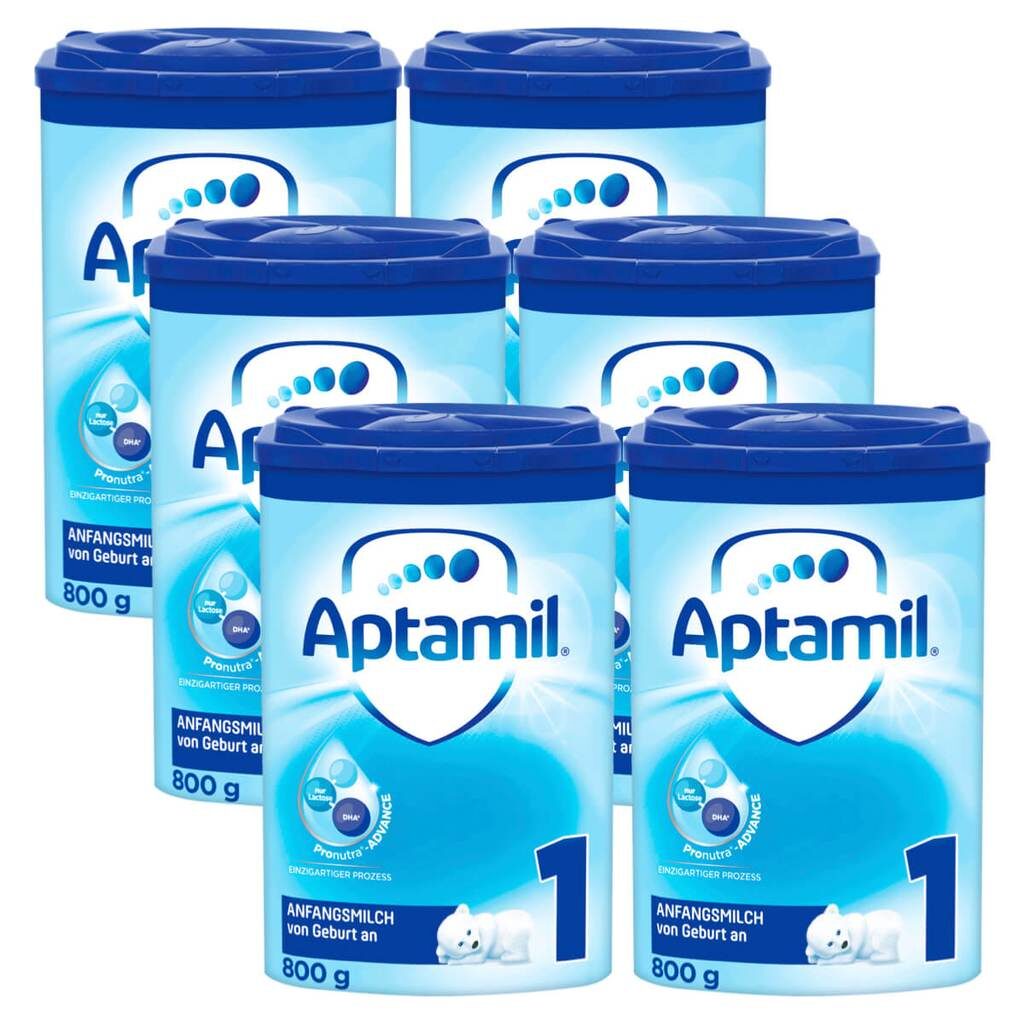
Large importers often search for an Aptamil bulk supplier Europe that can support pallet-level purchasing.
Bulk procurement can simplify logistics when demand remains predictable. However, retailers should calculate storage capacity and expected sales before ordering.
A professional bulk purchasing process should clarify:
- Available product variants.
- Units per carton.
- Cartons per pallet.
- Minimum order quantity.
- Product availability.
- Lead time.
- Shipping terms.
- Destination requirements.
Consequently, buyers can calculate purchasing requirements more accurately.
An Aptamil wholesale supplier worldwide should also understand international export processes. However, importers must verify local import requirements before shipping.
Aptamil Supermarket Supplier and Retail Wholesale
Supermarkets require reliable inventory because stock shortages can affect sales. Therefore, an Aptamil supermarket supplier should support predictable wholesale purchasing.
Likewise, baby formula supermarket wholesale requires good stock rotation and demand planning.
A suitable wholesale partner can support supermarkets with regular orders and replenishment schedules.
Furthermore, an Aptamil retail wholesale supplier can serve supermarket chains, pharmacies, grocery businesses, and independent retailers.
Retailers should monitor sales and inventory levels consistently. Then, they can place replenishment orders before stock reaches critical levels.
This strategy supports more efficient inventory control and reduces unnecessary emergency purchasing.
Aptamil Direct Supplier for Supermarket Replenishment
How an Aptamil Direct Supplier Supports Retail Replenishment
An Aptamil direct supplier can support organized purchasing for retailers with recurring demand.
However, effective replenishment requires accurate forecasting. Retailers should monitor sales, current stock, expected demand, and supplier lead times.
A practical process includes:
- Review weekly sales
- Check warehouse inventory
- Forecast upcoming demand
- Confirm supplier availability
- Calculate order quantities
- Schedule delivery
- Inspect incoming shipments
- Update stock records
Consequently, Aptamil supermarket replenishment becomes easier to manage.
Similarly, Aptamil retail stock replenishment can support retailers operating multiple locations.
Aptamil Retail Distributor Germany and European Distribution
Germany represents an important European market for professional retail distribution.
Therefore, companies searching for an Aptamil retail distributor Germany should evaluate documentation, logistics, product designation, and distribution capability.
An Aptamil wholesale distribution Germany strategy should consider warehouse location, transport routes, delivery schedules, and retailer demand.
Similarly, an Aptamil formula retail distributor can support regional supermarket networks and independent stores.
However, importers should confirm applicable German and European requirements before commercial distribution.
Regulations can differ between Germany, the UK, Ireland, Australia, and international destinations.
Traceability, Certifications and European Standards
Traceability supports responsible product management. Therefore, buyers should maintain accurate records for batches, shipments, invoices, and product documentation.
Additionally, certifications can provide useful evidence of quality systems and compliance. However, certification availability depends on the product and destination.
Packaging also matters during international distribution. Proper packaging helps protect products during storage and transportation.
Therefore, buyers should review carton specifications, labels, seals, pallet configuration, and handling requirements.
Cold-chain requirements depend on the individual product. Importers should always follow the manufacturer’s storage instructions.
Sustainability also matters in modern procurement. Buyers can evaluate packaging efficiency, pallet utilization, transportation planning, and responsible logistics.
European standards provide another important consideration. Importers should verify applicable food safety, labeling, customs, and market requirements.
Aptamil Baby Formula Importer and Export Documentation
An Aptamil baby formula importer needs suitable documentation before international shipment.
Depending on the destination, documents may include:
- Commercial invoice
- Packing list
- Certificate of Origin
- Product specifications
- Certificate of Analysis, where applicable
- Health or Free Sale documentation, where applicable
- Export documentation
- Insurance documentation
- Product label information
However, requirements vary between countries. Therefore, importers should consult customs brokers and relevant authorities.
This process becomes especially important for buyers serving Australia, Germany, the UK, Ireland, Middle Eastern markets, and Southeast Asia.
Product Quality, Packaging and Supply Chain Control
Professional buyers should evaluate product quality throughout the supply chain.
They should also inspect packaging when shipments arrive. Damaged cartons can create avoidable warehouse and retail problems.
Although COD quality often applies to seafood procurement, baby formula requires different quality controls. Therefore, buyers should follow applicable food safety requirements and manufacturer specifications.
Furthermore, warehouses should follow stated storage conditions. Proper stock rotation can also support inventory management.
A transparent supply chain gives buyers better control over purchasing decisions. Consequently, retailers can build stronger relationships with wholesale partners.
Frequently Asked Questions
What is an Aptamil direct supplier?
An Aptamil direct supplier provides commercial sourcing access through a manufacturer, distributor, wholesaler, or authorized supply channel. Buyers should verify the supplier’s status.
Can supermarkets purchase Aptamil in bulk?
Yes. Professional supermarkets can purchase through suitable wholesale channels. However, minimum quantities and pallet configurations vary.
Can pharmacies buy Aptamil wholesale?
Yes. Pharmacies can source through appropriate wholesale suppliers. They should verify product compliance and documentation first.
What should buyers check before ordering Aptamil?
Buyers should check product authenticity, market designation, batch details, expiry information, packaging, documentation, pricing, quantities, and delivery terms.
How does Aptamil retail replenishment work?
Retailers monitor sales and inventory, forecast demand, confirm availability, and reorder before existing stock becomes insufficient.
Can Aptamil suppliers export worldwide?
Some commercial suppliers support international markets. However, importers must verify destination-specific customs, food safety, labeling, and documentation requirements.
Conclusion
A dependable Aptamil direct supplier can help importers, supermarkets, pharmacies, wholesalers, and distributors manage commercial purchasing more efficiently.
However, direct sourcing requires careful verification. Buyers should evaluate supplier credentials, product authenticity, traceability, packaging, documentation, storage requirements, and logistics.
For Germany, the UK, Ireland, Australia, the Middle East, Southeast Asia, and other markets, importers should confirm destination-specific requirements before shipment.
Therefore, request quotations using exact product details, quantities, pallet requirements, destination, delivery terms, and documentation needs.
With a structured procurement strategy, businesses can improve wholesale purchasing, strengthen replenishment planning, and develop dependable international supply networks.
One thought on “Aptamil direct supplier”
Comments are closed.