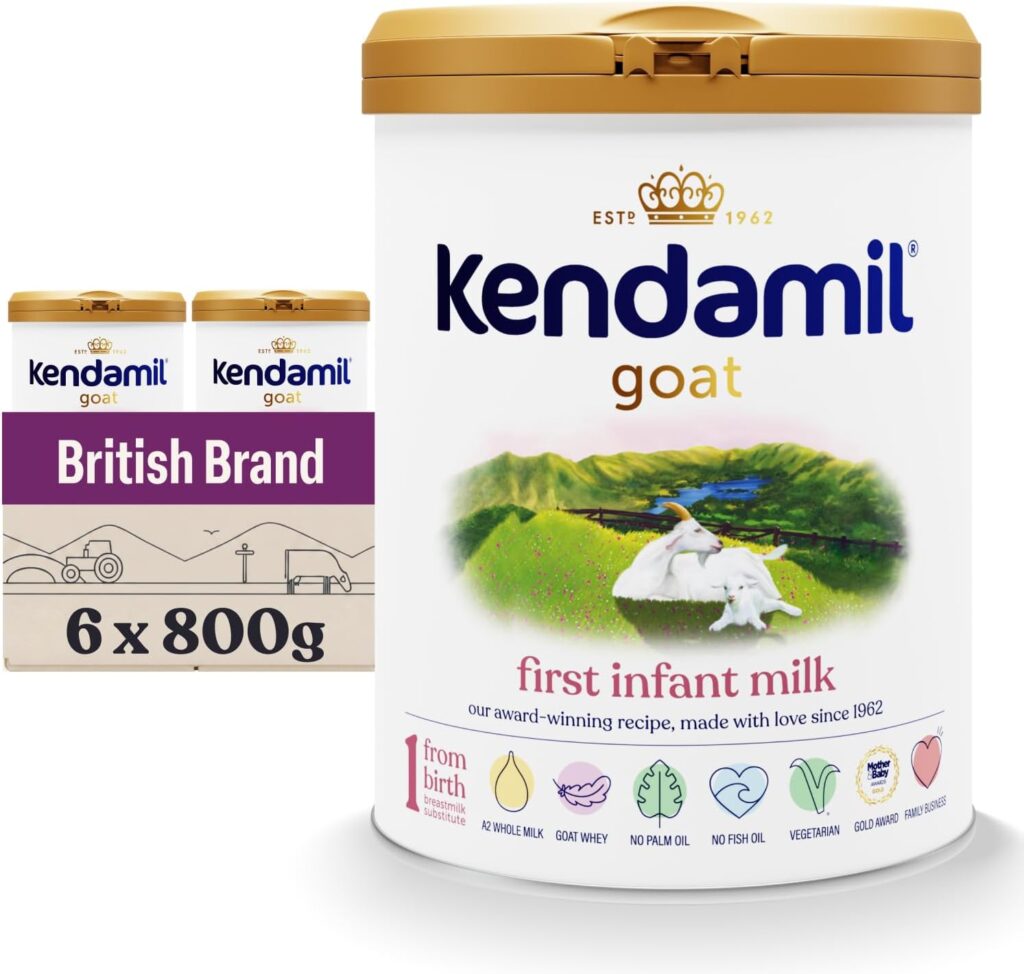
Kendamil Supermarket Stockist

Kendamil Supermarket Stockist

Kendamil Supermarket Stockist: Wholesale Supply, Distribution & Retail Replenishment

Finding a reliable Kendamil supermarket stockist can help importers maintain consistent shelf availability and support long-term retail growth. However, successful sourcing requires more than competitive pricing. Importers also need dependable supply, traceability, compliant documentation, secure logistics, and predictable replenishment.

Therefore, supermarkets, pharmacies, grocery chains, independent retailers, and baby-product distributors need a structured wholesale supply partner. This guide explains the key factors to consider when sourcing Kendamil products for retail distribution across the UK, Germany, Europe, Australia, Ireland, the Middle East, Southeast Asia, and international markets.

Kendamil Wholesale Supply for Supermarkets and Retailers

Retailers need dependable access to products that match their customers’ demand. Consequently, a professional wholesale program should support regular orders, pallet quantities, mixed product requirements, and scheduled replenishment.

A suitable Kendamil supplier UK can support supermarkets and retailers with organized purchasing and export logistics. Similarly, importers seeking a Kendamil supplier Germany need efficient documentation and distribution planning.

Moreover, European buyers may require a Kendamil wholesale Europe solution that supports different retail channels. These channels can include supermarkets, pharmacies, grocery stores, specialist baby retailers, and independent stores.

For international buyers, supplier selection should focus on documented sourcing, product authenticity, packaging integrity, and reliable fulfillment.

How a Kendamil Supermarket Stockist Supports Retail Replenishment

A reliable Kendamil supermarket stockist should understand the importance of inventory continuity. Stockouts can reduce sales and create unnecessary pressure on retail purchasing teams.

Therefore, wholesalers should plan supply around forecasted demand and agreed delivery schedules. Regular replenishment also helps retailers maintain consistent shelf presence.

A professional supply arrangement can support:

  • Bulk wholesale orders
  • Pallet-based purchasing
  • Retail replenishment programs
  • Supermarket distribution
  • Pharmacy wholesale supply
  • Independent retailer purchasing
  • Grocery wholesale distribution
  • International export orders
  • Scheduled repeat purchasing

Furthermore, importers can establish purchasing cycles based on sales performance and inventory levels.

Kendamil Bulk Supplier Europe for Commercial Buyers

Large retailers often require greater purchasing volumes than independent stores. As a result, a Kendamil bulk supplier Europe can provide a more practical sourcing structure for commercial buyers.

Bulk purchasing can simplify procurement and reduce the frequency of individual shipments. However, buyers should confirm carton configuration, pallet quantities, product variants, batch information, and available shelf life before ordering.

Additionally, a strong Kendamil retail wholesale supplier should provide clear commercial documentation. This approach allows purchasing departments to verify quantities and coordinate warehouse operations.

For larger orders, buyers should also establish delivery terms, lead times, payment arrangements, and required export documents before production or dispatch.

Kendamil Distributor UK and International Retail Distribution

A professional Kendamil distributor UK should understand both domestic retail requirements and international export procedures. International buyers may need additional documentation depending on their destination market.

For example, exporters may need commercial invoices, packing lists, certificates of origin, health-related documentation, product specifications, and customs information.

Likewise, a Kendamil retail distributor Germany needs to coordinate transportation and customs requirements carefully. German importers should also verify local regulatory requirements before placing commercial orders.

Beyond Europe, buyers in Australia, Ireland, the Middle East, and Southeast Asia should assess destination-specific import rules.

Therefore, a reliable distribution partner should help buyers prepare the documentation required for efficient international shipments.

Pharmacy, Grocery and Supermarket Wholesale Supply

Kendamil products can serve multiple retail channels. These include supermarkets, pharmacies, grocery stores, specialist baby retailers, and independent shops.

A Kendamil pharmacy wholesale UK program should therefore prioritize accurate product information and dependable replenishment. Similarly, a Kendamil grocery wholesale supplier should provide purchasing options that match retail demand.

Independent retailers may prefer smaller recurring orders. In contrast, supermarket groups may require pallet-based supply and scheduled deliveries.

Consequently, suppliers should offer flexible commercial arrangements without compromising product traceability or documentation.

Quality, Traceability and European Standards

Quality assurance remains essential when importing infant nutrition products. Buyers should establish clear procedures for verifying product authenticity, batch information, packaging, and documentation.

Furthermore, traceability allows businesses to connect products with specific batches and supply records. This information supports better inventory management and responsible distribution.

European food and product regulations also place significant importance on compliance. Therefore, buyers should verify that products and documentation meet the requirements applicable to their intended market.

Packaging deserves equal attention. Retail cartons and tins should arrive intact, correctly labeled, and suitable for commercial sale.

A professional Kendamil baby formula retail supplier should also maintain clear records throughout the supply chain.

Sustainability and Responsible Supply Chain Management

Sustainability increasingly influences procurement decisions across European and international retail markets.

Therefore, importers should evaluate logistics efficiency, packaging practices, transportation planning, and supplier transparency.

Consolidating orders into efficient pallet shipments can help businesses organize transportation more effectively. In addition, accurate forecasting can reduce unnecessary emergency shipments.

Traceability also supports responsible procurement because buyers can better understand their supply chain.

However, sustainability claims should always rely on verifiable supplier information rather than unsupported marketing statements.

Packaging, Pallets and Commercial Replenishment

Retail buyers should confirm packaging details before placing wholesale orders. Important information includes units per carton, cartons per pallet, pallet dimensions, gross weight, and container capacity.

For example, a supermarket purchasing team may calculate expected sales against available pallet quantities. This helps determine how frequently the business should reorder.

Likewise, a Kendamil retail stock replenishment strategy should consider:

  • Average weekly sales
  • Existing warehouse inventory
  • Expected delivery time
  • Seasonal demand
  • Minimum stock levels
  • Promotional activity
  • Pallet configuration
  • Import clearance time

Consequently, retailers can create a more predictable purchasing cycle.

Why Choose a Professional Kendamil Supermarket Supplier?

A dependable Kendamil supermarket supplier should combine commercial reliability with supply-chain transparency.

Importers should look for:

  1. Authentic products from verifiable supply channels.
  2. Clear product and batch documentation.
  3. Transparent commercial quotations.
  4. Reliable pallet and carton information.
  5. Export documentation support.
  6. Consistent communication.
  7. Secure international logistics.
  8. Retail-focused replenishment planning.

Moreover, buyers should confirm supplier capabilities before committing to large orders.

Kendamil Wholesale Distribution Germany and Worldwide

Germany remains an important European market for imported infant nutrition products. Therefore, businesses seeking Kendamil wholesale distribution Europe should prepare their purchasing and logistics requirements carefully.

Internationally, a Kendamil wholesale supplier worldwide should understand the differences between destination markets. Import requirements, labeling rules, customs procedures, and documentation can vary considerably.

For this reason, international buyers should provide their exact destination before requesting a commercial quotation.

This allows the supplier to evaluate appropriate shipping terms, documentation, and delivery arrangements.

FAQs

What does a Kendamil supermarket stockist do?

A Kendamil supermarket stockist supplies Kendamil products for retail sale and helps retailers maintain inventory through wholesale purchasing and replenishment.

Can supermarkets buy Kendamil in bulk?

Yes. Commercial buyers can explore bulk purchasing options based on available products, carton quantities, pallets, and supplier requirements.

Can pharmacies purchase Kendamil wholesale?

Pharmacies can seek wholesale supply through appropriate commercial distribution channels. However, buyers should verify product availability and applicable market requirements.

Can Kendamil products be exported internationally?

International export depends on product availability, destination regulations, documentation, and applicable import requirements. Buyers should confirm these factors before ordering.

What documents should a baby formula importer request?

Importers should typically request relevant commercial, product, origin, quality, and export documentation. Requirements can vary by destination.

Conclusion

Choosing the right Kendamil supermarket stockist can strengthen retail supply, improve replenishment planning, and support sustainable commercial growth. However, successful importing requires more than purchasing products at wholesale prices.

Buyers should evaluate traceability, packaging, documentation, logistics, pallet planning, product quality, and regulatory requirements.

Whether you operate a supermarket, pharmacy, grocery business, independent retail store, or international distribution company, a structured wholesale supply program can provide greater purchasing efficiency.

For serious importers, the next step is to confirm the required products, quantities, destination country, pallet requirements, and delivery terms. This creates a clear foundation for professional Kendamil wholesale distribution and long-term retail supply.
Aptamil direct supplier

Aptamil direct supplier

Aptamil Direct Supplier: Wholesale, Bulk, Pallet and Global Retail Supply

Finding a reliable Aptamil direct supplier can help importers simplify purchasing, control inventory, and maintain consistent retail availability. Supermarkets, pharmacies, wholesalers, and distributors need dependable commercial supply.

Moreover, international buyers require accurate product information, transparent documentation, suitable packaging, and efficient logistics. Therefore, a professional sourcing strategy should focus on both supply reliability and destination requirements.

This guide targets buyers in Germany, the UK, Ireland, Australia, the Middle East, Southeast Asia, and worldwide markets.

Why Choose an Aptamil Direct Supplier?

Direct sourcing can create a clearer purchasing process. However, buyers should verify the supplier’s commercial relationship before placing substantial orders.

A reliable Aptamil direct supplier should provide clear product details and commercial information. Buyers should also confirm whether the supplier operates as a manufacturer, distributor, wholesaler, or authorized trade partner.

Before ordering, professional buyers should verify:

  • Product name and variant
  • Intended market
  • Country of origin
  • Batch information
  • Expiry details
  • Packaging format
  • Carton configuration
  • Pallet quantities
  • Minimum order quantity
  • Lead time
  • Export documentation
  • Storage requirements

Furthermore, product specifications can vary between markets. Therefore, importers should confirm labels, formulations, packaging, and regulatory requirements before purchasing.

This approach helps retailers avoid confusion and supports more efficient international procurement.

Aptamil Supplier UK and Germany for Commercial Buyers

Businesses searching for an Aptamil supplier UK often require recurring wholesale supply. Similarly, an Aptamil supplier Germany may need to support supermarket, pharmacy, and distribution networks.

However, buyers should verify the market designation of every product. Aptamil products may have different labels and specifications across markets.

For European buyers, Aptamil wholesale Europe can support multiple commercial channels. These include supermarkets, pharmacies, grocery stores, independent retailers, and regional distributors.

Additionally, businesses researching an Aptamil manufacturer Europe should check supplier credentials and documentation carefully.

German retailers can also search for an Aptamil supermarket supplier Germany that understands local wholesale requirements.

Meanwhile, an Aptamil distributor UK can support retailers that need reliable stock availability and planned deliveries.

Aptamil Pharmacy Wholesale UK and Retail Supply

Pharmacies often require consistent product availability. Therefore, Aptamil pharmacy wholesale UK purchasing should include clear product information and appropriate documentation.

Likewise, supermarkets need dependable wholesale supply for fast-moving products.

A professional supply partner can support:

  • Pharmacy wholesale
  • Supermarket supply
  • Grocery distribution
  • Independent retail
  • Regional distribution
  • Bulk trade orders
  • Pallet shipments
  • Retail replenishment

Moreover, buyers should confirm carton and pallet configurations before placing large orders.

Accurate packing information helps purchasing teams estimate warehouse space and transportation requirements.

For independent retailers, flexible quantities can also support demand-based purchasing.

Aptamil Bulk Supplier Europe for Pallet Purchasing

Large importers often search for an Aptamil bulk supplier Europe that can support pallet-level purchasing.

Bulk procurement can simplify logistics when demand remains predictable. However, retailers should calculate storage capacity and expected sales before ordering.

A professional bulk purchasing process should clarify:

  1. Available product variants.
  2. Units per carton.
  3. Cartons per pallet.
  4. Minimum order quantity.
  5. Product availability.
  6. Lead time.
  7. Shipping terms.
  8. Destination requirements.

Consequently, buyers can calculate purchasing requirements more accurately.

An Aptamil wholesale supplier worldwide should also understand international export processes. However, importers must verify local import requirements before shipping.

Aptamil Supermarket Supplier and Retail Wholesale

Supermarkets require reliable inventory because stock shortages can affect sales. Therefore, an Aptamil supermarket supplier should support predictable wholesale purchasing.

Likewise, baby formula supermarket wholesale requires good stock rotation and demand planning.

A suitable wholesale partner can support supermarkets with regular orders and replenishment schedules.

Furthermore, an Aptamil retail wholesale supplier can serve supermarket chains, pharmacies, grocery businesses, and independent retailers.

Retailers should monitor sales and inventory levels consistently. Then, they can place replenishment orders before stock reaches critical levels.

This strategy supports more efficient inventory control and reduces unnecessary emergency purchasing.

Aptamil Direct Supplier for Supermarket Replenishment

How an Aptamil Direct Supplier Supports Retail Replenishment

An Aptamil direct supplier can support organized purchasing for retailers with recurring demand.

However, effective replenishment requires accurate forecasting. Retailers should monitor sales, current stock, expected demand, and supplier lead times.

A practical process includes:

  • Review weekly sales
  • Check warehouse inventory
  • Forecast upcoming demand
  • Confirm supplier availability
  • Calculate order quantities
  • Schedule delivery
  • Inspect incoming shipments
  • Update stock records

Consequently, Aptamil supermarket replenishment becomes easier to manage.

Similarly, Aptamil retail stock replenishment can support retailers operating multiple locations.

Aptamil Retail Distributor Germany and European Distribution

Germany represents an important European market for professional retail distribution.

Therefore, companies searching for an Aptamil retail distributor Germany should evaluate documentation, logistics, product designation, and distribution capability.

An Aptamil wholesale distribution Germany strategy should consider warehouse location, transport routes, delivery schedules, and retailer demand.

Similarly, an Aptamil formula retail distributor can support regional supermarket networks and independent stores.

However, importers should confirm applicable German and European requirements before commercial distribution.

Regulations can differ between Germany, the UK, Ireland, Australia, and international destinations.

Traceability, Certifications and European Standards

Traceability supports responsible product management. Therefore, buyers should maintain accurate records for batches, shipments, invoices, and product documentation.

Additionally, certifications can provide useful evidence of quality systems and compliance. However, certification availability depends on the product and destination.

Packaging also matters during international distribution. Proper packaging helps protect products during storage and transportation.

Therefore, buyers should review carton specifications, labels, seals, pallet configuration, and handling requirements.

Cold-chain requirements depend on the individual product. Importers should always follow the manufacturer’s storage instructions.

Sustainability also matters in modern procurement. Buyers can evaluate packaging efficiency, pallet utilization, transportation planning, and responsible logistics.

European standards provide another important consideration. Importers should verify applicable food safety, labeling, customs, and market requirements.

Aptamil Baby Formula Importer and Export Documentation

An Aptamil baby formula importer needs suitable documentation before international shipment.

Depending on the destination, documents may include:

  • Commercial invoice
  • Packing list
  • Certificate of Origin
  • Product specifications
  • Certificate of Analysis, where applicable
  • Health or Free Sale documentation, where applicable
  • Export documentation
  • Insurance documentation
  • Product label information

However, requirements vary between countries. Therefore, importers should consult customs brokers and relevant authorities.

This process becomes especially important for buyers serving Australia, Germany, the UK, Ireland, Middle Eastern markets, and Southeast Asia.

Product Quality, Packaging and Supply Chain Control

Professional buyers should evaluate product quality throughout the supply chain.

They should also inspect packaging when shipments arrive. Damaged cartons can create avoidable warehouse and retail problems.

Although COD quality often applies to seafood procurement, baby formula requires different quality controls. Therefore, buyers should follow applicable food safety requirements and manufacturer specifications.

Furthermore, warehouses should follow stated storage conditions. Proper stock rotation can also support inventory management.

A transparent supply chain gives buyers better control over purchasing decisions. Consequently, retailers can build stronger relationships with wholesale partners.

Frequently Asked Questions

What is an Aptamil direct supplier?

An Aptamil direct supplier provides commercial sourcing access through a manufacturer, distributor, wholesaler, or authorized supply channel. Buyers should verify the supplier’s status.

Can supermarkets purchase Aptamil in bulk?

Yes. Professional supermarkets can purchase through suitable wholesale channels. However, minimum quantities and pallet configurations vary.

Can pharmacies buy Aptamil wholesale?

Yes. Pharmacies can source through appropriate wholesale suppliers. They should verify product compliance and documentation first.

What should buyers check before ordering Aptamil?

Buyers should check product authenticity, market designation, batch details, expiry information, packaging, documentation, pricing, quantities, and delivery terms.

How does Aptamil retail replenishment work?

Retailers monitor sales and inventory, forecast demand, confirm availability, and reorder before existing stock becomes insufficient.

Can Aptamil suppliers export worldwide?

Some commercial suppliers support international markets. However, importers must verify destination-specific customs, food safety, labeling, and documentation requirements.

Conclusion

A dependable Aptamil direct supplier can help importers, supermarkets, pharmacies, wholesalers, and distributors manage commercial purchasing more efficiently.

However, direct sourcing requires careful verification. Buyers should evaluate supplier credentials, product authenticity, traceability, packaging, documentation, storage requirements, and logistics.

For Germany, the UK, Ireland, Australia, the Middle East, Southeast Asia, and other markets, importers should confirm destination-specific requirements before shipment.

Therefore, request quotations using exact product details, quantities, pallet requirements, destination, delivery terms, and documentation needs.

With a structured procurement strategy, businesses can improve wholesale purchasing, strengthen replenishment planning, and develop dependable international supply networks.

Aptamil Supermarket Supplier

Aptamil Supermarket Supplier

Aptamil Supermarket Supplier: Wholesale, Bulk and Retail Distribution

Finding a dependable Aptamil supermarket supplier helps retailers maintain product availability and manage recurring wholesale orders. Supermarkets, pharmacies, importers, and distributors need more than competitive prices.

They also need reliable supply, authentic products, clear documentation, suitable packaging, and predictable logistics. Therefore, choosing the right commercial supply partner can strengthen purchasing and replenishment operations.

This guide targets professional buyers across Germany, the UK, Ireland, Australia, the Middle East, Southeast Asia, and international markets.

Why Choose a Professional Aptamil Supermarket Supplier?

Supermarket procurement requires consistency. Therefore, retailers should assess product availability, packaging, batch information, shelf-life details, order quantities, and delivery capability.

A professional Aptamil supermarket supplier should provide clear commercial information before buyers place large orders. Moreover, suppliers should identify the product’s intended market and provide accurate product specifications.

Buyers should confirm:

  • Product name and variant
  • Intended sales market
  • Country of origin
  • Batch and expiry information
  • Packaging configuration
  • Cartons per pallet
  • Minimum order quantity
  • Lead time
  • Storage requirements
  • Available export documents

Furthermore, supermarkets should establish purchasing schedules around actual sales demand. This approach helps reduce stock gaps while controlling warehouse inventory.

Aptamil Supplier UK and Germany for Retail Chains

Retailers searching for an Aptamil supplier UK often need regular wholesale availability. Meanwhile, businesses looking for an Aptamil supplier Germany may require European distribution and destination-specific documentation.

However, buyers should verify the intended market of each product before purchasing. Aptamil products can differ between markets because labels, packaging, formulations, and regulations may vary.

For European procurement, Aptamil wholesale Europe can support supermarkets, pharmacies, grocery chains, and independent retailers.

Additionally, buyers researching an Aptamil manufacturer Europe should verify the supplier’s commercial status. They should also request product information and documentation before committing to significant orders.

German retailers can benefit from an Aptamil supermarket supplier Germany that understands local distribution requirements. Consequently, buyers can coordinate stock planning more effectively.

Aptamil Wholesale for Supermarkets and Pharmacies

Supermarkets often purchase larger quantities than independent retailers. Therefore, baby formula supermarket wholesale requires organized inventory management.

A suitable wholesale partner can support:

  • Supermarket purchasing
  • Pharmacy wholesale
  • Grocery distribution
  • Independent retail
  • Regional distribution
  • Bulk trade orders
  • Pallet shipments
  • Recurring replenishment

Likewise, Aptamil pharmacy wholesale UK can support professional buyers seeking consistent product availability.

Retailers should also compare carton configurations and pallet quantities. This information helps purchasing teams estimate warehouse capacity and transportation costs.

Furthermore, buyers should agree on minimum order quantities before placing recurring orders. Clear commercial terms make future replenishment easier.

Aptamil Bulk Supplier Europe for Pallet Orders

Large retailers often require an Aptamil bulk supplier Europe for pallet-level purchasing. Bulk procurement can improve logistics efficiency when retailers maintain predictable demand.

However, buyers should calculate their requirements before placing pallet orders. They should consider sales volume, storage space, delivery frequency, and stock rotation.

An efficient bulk purchasing process should confirm:

  1. Available product variants.
  2. Units per carton.
  3. Cartons per pallet.
  4. Minimum order quantity.
  5. Availability and lead time.
  6. Shipping terms.
  7. Destination requirements.
  8. Documentation.

As a result, retailers can calculate expected purchasing costs more accurately.

An Aptamil wholesale supplier worldwide should also understand international export requirements. However, importers must verify destination-specific rules with local authorities.

Aptamil Retail Wholesale Supplier for Supermarkets

A reliable Aptamil retail wholesale supplier can support both large supermarket chains and smaller retail businesses.

Moreover, supermarkets need dependable stock replenishment. Therefore, suppliers should communicate product availability and lead times clearly.

An effective procurement process can include weekly inventory reviews, demand forecasting, supplier confirmation, and scheduled deliveries.

This strategy helps retailers maintain appropriate stock levels without unnecessary over-ordering.

Similarly, an Aptamil supermarket stockist can organize inventory according to product demand and sales velocity.

For independent stores, an Aptamil independent retailer supplier can provide a more flexible purchasing model. Smaller businesses may require different quantities than large supermarket groups.

Aptamil Supermarket Supplier for Retail Replenishment

How an Aptamil Supermarket Supplier Supports Replenishment

An Aptamil supermarket supplier should support predictable ordering and efficient stock replenishment.

Retailers can monitor daily or weekly sales. Then, they can compare current inventory against expected demand.

Furthermore, supermarkets should consider supplier lead times when setting reorder points. Early purchasing can help prevent avoidable stock shortages.

A practical replenishment process includes:

  • Reviewing current inventory
  • Monitoring product sales
  • Forecasting upcoming demand
  • Checking supplier availability
  • Confirming order quantities
  • Scheduling delivery
  • Checking received products
  • Updating inventory records

Consequently, Aptamil supermarket replenishment becomes easier to manage.

Likewise, Aptamil retail stock replenishment can support stable product availability across multiple stores.

Aptamil Retail Distributor Germany and European Distribution

Germany requires careful attention to food regulations, labeling, customs, and import requirements.

Therefore, businesses searching for an Aptamil retail distributor Germany should evaluate documentation and distribution capabilities.

An Aptamil wholesale distribution Germany strategy should also consider warehouse location, transport routes, delivery schedules, and retailer demand.

Similarly, an Aptamil formula retail distributor can support regional supermarket networks and independent retail businesses.

However, importers should confirm every applicable requirement before commercial distribution. Regulatory obligations can differ between Germany, the UK, Ireland, Australia, and other international markets.

Traceability, Certifications and European Standards

Traceability remains essential for professional baby formula procurement. Buyers should maintain records covering batches, shipments, invoices, and product documentation.

Additionally, certifications can provide useful evidence of quality systems and compliance. However, the available certificates depend on the product, manufacturer, destination, and shipment.

Packaging also requires careful attention. Proper packaging protects products during transportation and storage.

Therefore, buyers should verify carton strength, product labeling, seals, pallet configuration, and handling requirements.

Cold-chain requirements depend on the specific product. Importers should follow the manufacturer’s stated storage instructions.

Sustainability also influences modern retail procurement. Buyers can consider packaging efficiency, pallet optimization, transport planning, and responsible logistics.

European standards provide another important consideration. Importers should verify applicable food safety, labeling, customs, and market requirements before importing products.

Export Documentation for Aptamil Baby Formula Importers

An Aptamil baby formula importer requires suitable documentation for international shipments.

Depending on the destination, documentation may include:

  • Commercial invoice
  • Packing list
  • Certificate of Origin
  • Product specifications
  • Certificate of Analysis, where applicable
  • Health or Free Sale documentation, where applicable
  • Export documentation
  • Insurance documentation
  • Product label information

However, documentation requirements vary between countries. Therefore, importers should consult customs brokers and relevant authorities before shipping.

This step becomes particularly important for buyers serving Australia, Germany, the UK, Ireland, Middle Eastern countries, and Southeast Asia.

Product Quality, Packaging and Supply Chain Control

Professional retailers should evaluate product quality throughout the supply chain. They should also check packaging condition upon delivery.

Although COD quality can matter in seafood and other commodities, baby formula procurement requires product-specific quality controls. Therefore, buyers should focus on applicable food safety standards and manufacturer specifications.

Furthermore, warehouse teams should follow storage instructions carefully. Good stock rotation can also help retailers manage inventory efficiently.

A transparent supply chain supports better purchasing decisions. Consequently, supermarkets can build stronger relationships with distributors and wholesale partners.

Frequently Asked Questions

How do I choose an Aptamil supermarket supplier?

Check product authenticity, market designation, batch information, packaging, documentation, order quantities, lead times, and delivery capabilities.

Can supermarkets buy Aptamil by the pallet?

Yes. Professional retailers can purchase pallet quantities through suitable wholesale channels. However, pallet configurations and minimum orders vary by product.

Can pharmacies purchase Aptamil wholesale?

Yes. Pharmacies can source through suitable wholesale suppliers. They should verify product compliance and documentation before retail sale.

What documents do Aptamil importers need?

Requirements vary by destination. Common documents can include commercial invoices, packing lists, certificates of origin, product specifications, and applicable health documentation.

How does supermarket replenishment work?

Retailers monitor sales and inventory, forecast demand, confirm supplier availability, and reorder before existing stock becomes insufficient.

Can an Aptamil supplier support international buyers?

Yes. International suppliers and distributors may support overseas wholesale orders. However, buyers must verify import requirements for their destination.

Conclusion

A dependable Aptamil supermarket supplier can support supermarkets, pharmacies, importers, wholesalers, and distributors with organized procurement.

However, successful sourcing requires more than attractive wholesale pricing. Buyers should evaluate traceability, packaging, documentation, product availability, storage requirements, sustainability, and logistics.

For Germany, the UK, Ireland, Australia, the Middle East, Southeast Asia, and worldwide markets, destination-specific requirements should guide every shipment.

Therefore, professional buyers should request quotations using exact product details, quantities, pallet requirements, destination, delivery terms, and documentation requirements.

With the right wholesale strategy, retailers can improve purchasing efficiency, maintain inventory availability, and build a dependable long-term supply network.

aptamil baby formula manufacturer

Aptamil baby formula manufacturer

Aptamil Baby Formula Manufacturer: Wholesale Supply, Distribution and Retail Replenishment

Finding a reliable Aptamil baby formula manufacturer is important for importers, wholesalers, supermarkets, pharmacies, and retailers. Buyers need authentic products, consistent availability, clear documentation, and dependable logistics.

Furthermore, international buyers require supply solutions that support pallets, bulk orders, retail distribution, and regular replenishment. Therefore, choosing the right commercial supply partner can improve purchasing efficiency and inventory planning.

This guide targets professional buyers in the UK, Germany, Ireland, Australia, the Middle East, Southeast Asia, and worldwide markets.

Choosing an Aptamil Baby Formula Manufacturer for Global Supply

Professional buyers should evaluate more than wholesale pricing. They should also consider product authenticity, traceability, packaging, documentation, lead times, and market compliance.

A reputable Aptamil baby formula manufacturer supply channel should provide accurate information about every product offered. Additionally, buyers should verify whether the supplier represents the manufacturer directly or operates as an authorized distributor or wholesaler.

This distinction matters because Aptamil products can differ between markets. Product names, labels, packaging, formulations, and regulatory requirements may vary by destination.

Therefore, importers should confirm:

  • Product name and variant
  • Intended market
  • Country of origin
  • Batch information
  • Expiry information
  • Packaging format
  • Cartons per pallet
  • Minimum order quantity
  • Available export documentation
  • Storage requirements

Consequently, careful verification helps buyers build a more reliable international procurement process.

Aptamil Supplier UK and Germany for Professional Buyers

European buyers often search for an Aptamil supplier UK or Aptamil supplier Germany when planning commercial purchases.

However, buyers should confirm the exact product market before ordering. This step helps prevent confusion between domestic-market products and products intended for another country.

For larger businesses, Aptamil wholesale Europe sourcing can support supermarket groups, pharmacies, distributors, grocery businesses, and independent retailers.

Moreover, an Aptamil manufacturer Europe search should focus on verified commercial relationships rather than price alone. Buyers should request company information, product specifications, commercial documentation, and shipment details before placing substantial orders.

Germany also presents opportunities for professional retail distribution. An Aptamil supermarket supplier Germany can support retailers that require predictable stock availability and organized replenishment.

Meanwhile, buyers seeking an Aptamil distributor UK should assess product availability, delivery capability, documentation, and wholesale terms.

Aptamil Pharmacy Wholesale UK and Retail Distribution

Pharmacies often require dependable supply and accurate product information. Therefore, Aptamil pharmacy wholesale UK procurement should include product verification and appropriate commercial documentation.

Similarly, retailers may search for an Aptamil baby formula retail supplier that can support recurring orders.

A suitable supplier can serve different purchasing models, including:

  • Pharmacy wholesale
  • Supermarket supply
  • Grocery wholesale
  • Independent retail
  • Regional distribution
  • Pallet purchasing
  • Bulk trade orders
  • Regular stock replenishment

Furthermore, suppliers should communicate carton configurations and pallet quantities clearly. This information allows buyers to calculate warehouse capacity and transportation requirements.

For independent retailers, flexible order quantities can also help align purchasing with actual local demand.

Aptamil Bulk Supplier Europe for Pallet and Trade Orders

Large importers often need an Aptamil bulk supplier Europe that can handle commercial quantities.

Bulk procurement requires careful planning. Buyers should calculate expected sales, warehouse capacity, transport requirements, and replenishment frequency before ordering.

Moreover, pallet-level purchasing can simplify logistics when the supplier provides accurate packing information.

A professional purchasing process should clarify:

  1. Available product variants.
  2. Cartons per case.
  3. Cases per pallet.
  4. Minimum order quantities.
  5. Production or availability timelines.
  6. Shipment terms.
  7. Destination requirements.
  8. Available documentation.

As a result, buyers can create more accurate landed-cost calculations.

An Aptamil wholesale supplier worldwide should also understand international shipping requirements. However, importers remain responsible for checking destination-country regulations and obtaining required approvals.

Supermarket Wholesale and Retail Replenishment

Supermarkets need reliable inventory because stock gaps can affect customer availability. Therefore, an Aptamil supermarket supplier should support organized purchasing and replenishment.

Likewise, baby formula supermarket wholesale requires careful stock rotation and demand forecasting.

Retailers should monitor weekly sales and current inventory. Then, they can estimate upcoming demand and place orders before stock reaches critical levels.

An effective Aptamil retail wholesale supplier can support this process through consistent product information and clear commercial communication.

Additionally, retailers can establish replenishment schedules based on sales volume. Fast-moving stores may require frequent deliveries, while smaller retailers may order less frequently.

This approach supports efficient Aptamil supermarket replenishment and reduces unnecessary inventory pressure.

Aptamil Retail Distributor Germany and European Distribution

Germany requires careful attention to import, labeling, customs, and food compliance requirements.

Consequently, businesses searching for an Aptamil retail distributor Germany should verify the product’s intended market and applicable regulations.

An Aptamil wholesale distribution Germany strategy should consider warehouse location, transport routes, customs procedures, product documentation, and retailer demand.

Likewise, an Aptamil formula retail distributor can support regional retailers when supply planning remains consistent.

However, buyers should confirm every commercial and regulatory requirement before importing products. Requirements can differ significantly between European and non-European destinations.

Traceability, Certifications, Packaging and European Standards

Traceability remains essential throughout the baby formula supply chain. Buyers should maintain clear records for products, batches, shipments, and commercial documents.

Furthermore, certifications and quality documentation can help buyers evaluate supply-chain reliability. The exact certificates available will depend on the product, manufacturer, market, and shipment.

Packaging also deserves close attention. Proper packaging helps protect products during warehousing and transportation. Therefore, buyers should inspect carton specifications, labeling, seals, and pallet configurations.

Cold-chain requirements depend on the specific product. Importers should always follow the manufacturer’s storage instructions.

Similarly, sustainability increasingly influences procurement decisions. Buyers can assess packaging efficiency, pallet utilization, transportation planning, and responsible logistics practices.

European standards also require careful consideration. Therefore, importers should confirm applicable food, labeling, customs, and product requirements before commercial distribution.

Aptamil Baby Formula Importer: Export Documentation and Logistics

An Aptamil baby formula importer needs more than a supplier quotation. International purchasing also requires suitable export and customs documentation.

Depending on the destination, documents may include:

  • Commercial invoice
  • Packing list
  • Certificate of Origin
  • Product specifications
  • Certificate of Analysis, where applicable
  • Health or Free Sale documentation, where applicable
  • Export documentation
  • Insurance documentation
  • Product label information

However, requirements vary by destination. Therefore, buyers should work with customs professionals and local authorities.

This process becomes especially important for shipments entering Australia, the UK, Ireland, Germany, Middle Eastern countries, and Southeast Asian markets.

Aptamil Supermarket Stockist and Retail Stock Replenishment

Retail stock management directly affects purchasing efficiency. Therefore, an Aptamil supermarket stockist should track inventory, sales velocity, delivery schedules, and upcoming demand.

Similarly, Aptamil retail stock replenishment works best when retailers understand supplier lead times.

A practical process includes monitoring sales, reviewing warehouse stock, forecasting demand, checking availability, and ordering early.

Furthermore, an Aptamil wholesale retailer can improve purchasing efficiency by maintaining reliable inventory records.

Independent businesses can also work with an Aptamil independent retailer supplier when their purchasing requirements differ from major supermarket chains.

Why Choose an Aptamil Baby Formula Manufacturer Supply Partner?

An experienced Aptamil baby formula manufacturer supply channel can help professional buyers organize wholesale purchasing, distribution, and international replenishment.

However, buyers should always verify the supplier’s commercial status. They should also confirm product authenticity, market designation, documentation, packaging, batch information, and destination requirements.

This approach supports safer procurement decisions and reduces avoidable supply-chain problems.

Whether you operate a supermarket, pharmacy, grocery company, import business, or distribution network, transparent purchasing information matters.

Frequently Asked Questions

How do I find an Aptamil supplier in Europe?

Start by verifying the supplier’s company details, product information, commercial documentation, market designation, and distribution status. Then, confirm pricing and minimum order quantities.

Can supermarkets purchase Aptamil in bulk?

Yes. Professional retailers can purchase through suitable wholesale channels. However, order quantities depend on supplier availability and commercial terms.

Can pharmacies buy Aptamil wholesale?

Yes. Pharmacies can source through appropriate wholesale suppliers. They should verify product compliance and documentation before retail distribution.

What documents does an Aptamil importer need?

Requirements vary by destination. Common documents can include invoices, packing lists, certificates of origin, product specifications, and applicable health documentation.

What should an Aptamil bulk supplier provide?

A bulk supplier should provide accurate product details, carton configuration, pallet information, availability, lead times, commercial terms, and relevant documentation.

How can supermarkets manage Aptamil replenishment?

Supermarkets should monitor sales, inventory, demand forecasts, supplier availability, and delivery schedules. Consequently, they can reorder before stock becomes insufficient.

Conclusion

A reliable Aptamil baby formula manufacturer supply channel can support international wholesale purchasing, supermarket distribution, pharmacy supply, pallet orders, and retail replenishment.

However, successful sourcing requires more than competitive pricing. Buyers should prioritize traceability, authentic products, suitable packaging, documentation, storage requirements, sustainability, and dependable logistics.

For Germany, the UK, Ireland, Australia, the Middle East, Southeast Asia, and other markets, buyers should verify destination-specific requirements before importing.

Finally, request a quotation based on the exact product, quantity, pallet requirement, destination, delivery terms, and available documentation. This approach creates a stronger foundation for professional Aptamil wholesale distribution.