
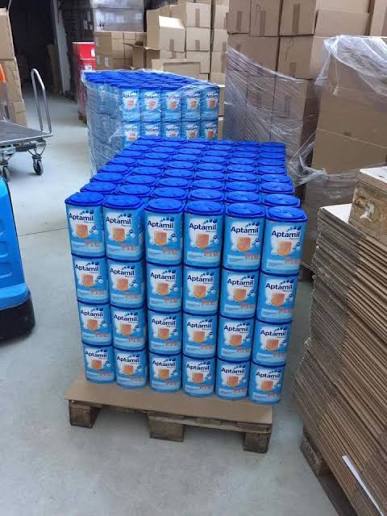
full container infant formula shipping

Full Container Infant Formula Shipping Plans

A full container infant formula shipping programme is not simply a larger purchase order. It is an inventory, compliance and cash-flow decision that can protect retail availability for months – or create costly pressure if product mix, shelf life or import paperwork are not aligned. For established importers, distributors and retail groups, the objective is clear: secure genuine branded formula at a workable landed cost, with the documents and delivery planning needed to keep stock moving.

Full-container orders are particularly effective where demand is stable, warehouse capacity is available and the destination market can clear goods efficiently. They are less suitable when a buyer is testing a new brand, lacks reliable consumption data or needs an unusually broad range of slow-moving specialist SKUs. The right shipment structure depends on the commercial plan behind it.

When Full Container Infant Formula Shipping Makes Sense

A full container load, commonly called FCL, gives the buyer exclusive use of the container. Compared with smaller consolidated consignments, it can reduce freight cost per case, limit handling points and provide greater control over loading configuration. That matters for infant nutrition, where outer-case condition, batch traceability and predictable arrival dates affect both customer confidence and operational continuity.

The strongest case for FCL is usually a repeat-order programme. A supermarket group may need a dependable supply of Aptamil follow-on and toddler ranges across several regions. A pharmacy distributor may require core stage formulas alongside a controlled volume of anti-reflux, comfort or lactose-free products. An e-commerce operator may use container-scale purchasing to protect availability during known high-demand periods.

However, filling a container because the freight rate appears attractive can be a false economy. Formula has a finite shelf life, and stock that sits too long ties up working capital and may require discounting. Buyers should forecast sell-through by SKU, not just by brand family, then build the load around confirmed demand. Fast-moving core lines can carry the volume, while specialist products should be included only in quantities that can be sold within the buyer’s preferred shelf-life window.

Start With the Product Mix, Not the Container Size

Container planning should begin with the market requirement: authorised products, label language, preferred formats, stage mix and expected monthly sales. Only then should the buyer decide whether a 20-foot or 40-foot container is appropriate. Cubic capacity, case dimensions, pallet configuration and weight limits all influence the final loading plan.

A practical order often combines several compatible branded lines rather than relying on a single SKU. European-sourced ranges may include Aptamil, Nutrilon, HiPP Organic, Cow & Gate, SMA, Enfamil, Similac or other recognised products, subject to availability and destination-market requirements. The commercial value is in creating a balanced shipment that supports regular replenishment rather than producing excess inventory in one line and shortages in another.

Before confirming quantities, procurement teams should agree four points internally: the minimum acceptable remaining shelf life on arrival, the maximum inventory holding period, the expected sales rate per SKU and the warehouse space available for the consignment. These details make a quotation more useful because the supplier can help shape case quantities and loading options around the real requirement.

Core lines and specialist formulas need different forecasts

Stage 1, follow-on and toddler formulas often provide consistent volume, but demand patterns vary by country, retailer and channel. Specialist products require more caution. Goat-milk, organic, premature, anti-reflux, comfort and lactose-free formulas may deliver strong margins and customer loyalty, yet their volumes can be less predictable.

It can be sensible to include specialist ranges in a full container if historical sales support them. If demand is unproven, a mixed pallet or smaller trial order may be the better first step. Container economics should support the range strategy, not force an unsuitable assortment.

Protect Product Integrity Before Loading

Infant formula is a sensitive, high-value food product. The shipment plan should preserve product condition from warehouse release to destination receipt. Export-ready outer packing, clean palletisation, stable stacking and appropriate container loading reduce the risk of crushed cases, moisture exposure and avoidable claims.

Temperature management also deserves a commercial discussion. Most powdered formulas do not require refrigerated transport, but they should be protected from extreme conditions, prolonged port delays and poor storage practices. The appropriate approach depends on the route, season, transit time and destination climate. A buyer shipping to a hot, humid market may reasonably require additional precautions that are unnecessary on a short European route.

Container loading should also support traceability. Cases and pallets need to remain identifiable, and batch records should correspond to the commercial documents. Where a container holds multiple SKUs or batches, a clear packing list is essential for warehouse receiving, customs queries and any later quality investigation.

Documentation Is Part of the Goods

For cross-border formula trade, incomplete or inconsistent documents can delay a shipment just as effectively as a missed sailing. Buyers should confirm documentary requirements early, especially where local food authorities, customs brokers or banks require specific formats before release or payment.

The standard export file commonly includes the commercial invoice, packing list, transport document and applicable origin or customs-support materials. Depending on the destination, buyers may also need product specifications, ingredient and nutrition information, certificates requested by authorities, batch details, shelf-life data, label images or other market-entry documents.

Requirements differ significantly between countries. Importers remain responsible for ensuring that the product, packaging, labelling and documentation meet the laws of the destination market. A supplier can provide accurate product and shipment information, but that does not replace the importer’s own regulatory review, local registration process or customs advice.

This is why paperwork should be checked before loading rather than after the vessel departs. Confirm the consignee name, product descriptions, quantities, values, Incoterms, tariff classifications where required and document language. Small discrepancies can become expensive when a consignment is already at port.

Choose Incoterms and Logistics Responsibilities Carefully

A full-container transaction needs a clear division of responsibility. The agreed Incoterm determines who arranges transport, who manages export formalities, where risk transfers and which costs sit with each party. There is no single best option for every buyer.

Experienced importers with established freight forwarders may prefer to control main carriage and destination handling. Buyers entering a new trade lane may value broader logistics coordination from the export side. The key is to avoid assumptions. Port charges, inspections, demurrage, detention, inland delivery, cargo insurance and destination clearance must be understood before the order is placed.

Freight schedules can change, ports can congest and customs inspections can occur without warning. A dependable programme therefore includes contingency time in the inventory plan. Do not set replenishment dates around the best-case transit estimate. Build a buffer that reflects the route’s actual operating conditions and the importance of the affected SKUs.

Build a Repeatable Ordering Process

The most effective container business is planned as a supply cycle, not negotiated from zero each time. A rolling forecast gives both buyer and supplier a clearer view of upcoming requirements, allowing better preparation for stock allocation, product sourcing, documentation and loading dates.

At Baby Formula EU, wholesale enquiries can be structured around brand requirements, target quantities, destination port, preferred shipment timing and documentation needs. This gives professional buyers a stronger basis for comparing product availability, packing options and commercial terms than a general request for a container price.

For repeat orders, retain a simple shipment record covering purchase order details, batches, production or best-before information, documents issued, container number, sailing date, arrival date and receiving outcome. Over time, this record improves demand planning and makes exceptions easier to resolve. It also helps buyers identify whether delays arise from supply preparation, ocean freight, clearance or their own warehouse operations.

Questions to Settle Before Requesting a Quote

A precise enquiry avoids delays and produces more accurate commercial planning. Buyers should be ready to state the destination country and port, desired brands and formulas, estimated case quantities, preferred shelf-life requirement, required label language, target loading period and whether they need support with export documents or freight coordination.

It is also useful to clarify whether the order is for immediate distribution, a tender, a retail launch or ongoing replenishment. A tender may need fixed documentary wording and strict delivery milestones. A retail launch may need a wider initial assortment. A replenishment order may prioritise speed and continuity of the bestselling lines. These are different commercial jobs, even when the container volume is similar.

The best full-container programme is the one that arrives with saleable stock, readable paperwork and enough time for customs clearance before shelves need replenishing. Start with real demand, confirm the regulatory path and treat every shipment record as groundwork for a more predictable next order.
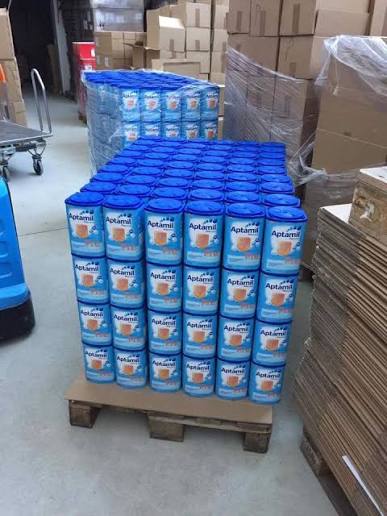

mixed pallet baby formula orders

Mixed Pallet Baby Formula Orders Made Practical

A full pallet of one SKU can look efficient on a freight calculation and still create a costly problem at destination. If your customers need Aptamil follow-on milk, HiPP Organic infant formula, lactose-free options and anti-reflux lines at the same time, buying only full single-SKU pallets can leave gaps on the shelf or too much slow-moving stock in the warehouse. Mixed pallet baby formula orders give professional buyers a more controlled way to build a saleable range without committing excessive capital to every product line.

For importers, pharmacy groups, retailers and trading companies, the purpose is not simply to buy smaller quantities. It is to balance demand, shelf availability, expiry management and transport cost within one export-ready shipment. That requires clear product selection, dependable sourcing and documentation that matches the goods actually loaded.

When mixed pallet baby formula orders make commercial sense

Mixed pallets are particularly useful when demand is spread across stages, brands or specialist nutrition needs. A retailer entering a new market may need enough core infant and follow-on formula to establish availability, alongside limited quantities of comfort, anti-reflux, goat-milk or organic products to test local demand. A distributor may already know its fast sellers but need to top up complementary lines before a container departs.

The commercial benefit is flexibility. Rather than carrying a full pallet of a product that sells slowly, the buyer can allocate pallet space according to actual turnover. This can protect working capital and reduce the likelihood of products approaching their best-before date while still giving customers meaningful choice.

That said, mixed pallets are not always the lowest-cost route per unit. Additional picking, handling and load planning can affect the quotation, while a fragmented range can complicate receiving and stock control. Where one SKU has stable, high-volume demand, a single-product pallet may remain the better decision. The strongest purchasing plan often combines both: full pallets for proven core lines and mixed pallets for supporting or specialist items.

Start with demand, not the catalogue

A broad catalogue is valuable only when it supports a practical sales plan. Before requesting a mixed pallet quotation, buyers should identify the intended route to market, required formula stages and expected monthly movement. Formula formats, pack sizes and language presentation can all influence what will sell through efficiently in a particular market.

For example, an e-commerce retailer may require a wider brand selection but shallower quantity per SKU. A supermarket buyer may prioritise familiar flagship lines and consistent shelf replenishment. An importer supplying pharmacies may place greater emphasis on specialist formulas, where availability matters but demand is less predictable.

A useful starting point is to divide the order into three groups: high-turnover core products, supporting variants and specialist lines. Core products should receive the largest allocation. Supporting variants can provide range depth without dominating the pallet. Specialist products should be matched carefully to verified customer demand, particularly where they are used for specific dietary requirements.

Avoid building an order around low prices alone. A discounted product with limited local recognition, unsuitable pack format or short remaining shelf life can cost more than it saves. Wholesale buying works best when price, product suitability and stock rotation are considered together.

Build a pallet that arrives ready for distribution

The pallet plan should be designed for the complete journey, not only for collection from the supplier. Infant nutrition is a sensitive category, and buyers need confidence that cartons, labels and pallets will remain identifiable and presentable through handling, export transit, customs inspection and local warehousing.

Provide clear requirements at quotation stage, including the destination country, preferred brands, stage numbers, pack sizes, quantity by SKU and any market-specific labelling or documentation needs. If the shipment is intended for onward distribution, it is sensible to ask how pallets will be configured, protected and marked for receiving.

In practice, a well-prepared mixed pallet order should confirm:

  • product description, brand, stage, format and quantity for every SKU;
  • batch and best-before information available for the supplied stock;
  • pallet dimensions, gross weight and total carton count;
  • export packing arrangement and protection appropriate to the transport method;
  • commercial invoice, packing list and other agreed customs-support documents.

These points are not administrative extras. They help receiving teams reconcile stock quickly and help importers avoid disputes over what was ordered, loaded and declared. Accurate paperwork also supports more efficient customs clearance, especially when goods are travelling across several jurisdictions before reaching the final buyer.

Protect traceability from purchase order to destination

Traceability is central to responsible formula procurement. Buyers should be able to connect each product line in the shipment to the relevant batch information and documentation, then maintain that record through local storage and distribution. This matters for quality assurance, stock rotation and any issue that requires a targeted response.

Ask suppliers how they manage batch identification and whether the batch details can be provided in a usable format before or alongside dispatch. The answer should be practical rather than vague. Your warehouse team needs information it can check against physical cartons, not a general statement that products are genuine.

Genuine branded products sourced through established European supply channels also reduce commercial risk. Counterfeit or poorly handled formula can damage consumer trust, retailer relationships and regulatory standing in a single shipment. For this reason, the sourcing route should carry as much weight as the unit price.

Baby Formula EU supports wholesale buyers with recognised formula brands, batch traceability and export-ready documentation so that product procurement and shipping can be planned as one process rather than two separate tasks.

Manage shelf life as a buying decision

Shelf life should be reviewed SKU by SKU, not only at pallet level. Core formula usually moves faster, while specialised products may take longer to reach the end customer. A mixed pallet can improve inventory control, but only when quantities reflect realistic demand and the remaining shelf life supports the intended selling period.

Consider the time needed for collection, international transit, customs processing, receiving, local distribution and retail sale. Sea freight may offer a better landed cost for larger consignments, but it also consumes more time than air freight. For urgent replenishment or a market trial, a smaller shipment with faster transit can sometimes be commercially sound despite a higher freight rate.

Buyers should also apply their own minimum shelf-life policy before confirming an order. There is no universal figure that suits every destination. It depends on transport time, local registration requirements, warehouse turnover and the channel through which the products will be sold. Agreeing this point in advance prevents avoidable surprises after arrival.

Coordinate logistics before the goods are picked

Mixed orders require more coordination than identical full pallets. The supplier must pick several SKUs accurately, consolidate them securely and create paperwork that reflects the final load. The buyer, meanwhile, needs to ensure the consignee details, import requirements and delivery plan are settled early enough to avoid storage charges or clearance delays.

For road freight within Europe, pallet stability and appointment timing may be the main concerns. For air freight, chargeable weight and carton configuration can materially affect cost. For sea shipments, the buyer should look at container utilisation, moisture protection, transit time and whether the mixed pallets will be loaded with other goods. Each method has a place, and the right choice depends on volume, urgency and destination conditions.

It is also worth planning receiving procedures before dispatch. Warehouse teams should know whether mixed pallets need to be broken down on arrival, how batches will be recorded and which products are allocated to immediate distribution. A clean handover at destination is often what turns a flexible purchase into reliable availability for customers.

A smarter way to scale the next order

The first mixed pallet should create useful sales data, not just fill a temporary supply gap. Track sell-through by brand, stage and speciality type. Note which products generate repeat orders, which require more marketing support and which consistently move too slowly for the quantity purchased.

Over time, this information makes the next order more efficient. Fast-moving lines can move to full-pallet quantities, while less predictable products remain in mixed allocations. Buyers can also refine shipments by market, supplying one retail channel with mainstream formula and another with specialist products better suited to its customer base.

A carefully planned mixed pallet is not a compromise between range and control. It is a procurement tool for buyers who want recognised products available when customers need them, without allowing stock risk to grow unnoticed. Start with the demand you can support, define the documentation and shelf-life expectations clearly, and let each completed shipment improve the accuracy of the next one.

Choosing a German Aptamil Exporter for Trade

Choosing a German Aptamil Exporter for Trade

A missing Aptamil line on a retail shelf is rarely caused by one isolated problem. It can begin with an unclear source, a short-dated batch, incomplete paperwork or freight that was not planned around the destination market. For importers and wholesale buyers, choosing a German Aptamil exporter is therefore a supply decision, not simply a price comparison. The right partner helps protect availability, product confidence and the continuity of your customer relationships.

German Aptamil is a recognised product range for buyers seeking established European infant nutrition brands. However, each market has its own import conditions, language requirements, labelling expectations and commercial realities. Reliable export starts with genuine stock and ends only when the shipment arrives with the documents and packing needed for an efficient handover.

What a German Aptamil Exporter Should Deliver

A professional exporter should be able to explain where stock is sourced, what is available now and how the order will move from warehouse to destination. Broad statements about availability are not enough for a buyer planning supermarket, pharmacy or e-commerce supply. You need clear information that can support purchasing, stock planning and customs preparation.

This begins with product identity. Aptamil ranges can differ by country, stage, format and formulation. A Stage 1 infant milk, follow-on formula, toddler milk or specialised product must be specified precisely before a quotation is accepted. The buyer and supplier should agree the exact product name, pack size, language presentation, quantity, batch details where available and remaining shelf life expectations.

Authenticity is equally central. Infant formula is a sensitive category, and a low offer without a credible sourcing explanation creates commercial risk. Established European supply channels, traceable batches and controlled warehouse handling provide a stronger basis for trade than opportunistic buying. They also make it easier to address questions from retail partners, regulatory teams and customers after delivery.

Availability Must Be Managed, Not Assumed

Demand for well-known formula brands can shift quickly due to local shortages, promotions, seasonal purchasing or changes in consumer preference. A supplier may have stock one week and face allocation pressure the next. For this reason, regular buyers benefit from sharing a forward demand plan rather than placing every order as an urgent spot purchase.

Forecasting does not need to be perfect to be useful. A rolling estimate of monthly requirements, preferred product mix and target delivery windows allows an exporter to advise on practical order timing. It can also help buyers decide whether to build reserve stock, use mixed pallets for a broader assortment or place a full-container order for a faster-moving core range.

Product Checks Before You Place a Wholesale Order

Price matters, particularly where retail competition is intense, but the lowest unit cost is not automatically the best landed value. A price only becomes meaningful once the buyer understands the product specification, available shelf life, packing configuration, transport route and documentation included with the shipment.

Before confirming an order, buyers should verify four commercial points:

  • The exact Aptamil SKU, stage, pack format and market-specific presentation required.
  • The available quantity, minimum order level and whether mixed pallets or mixed loads are possible.
  • Remaining shelf life and batch traceability information suitable for the intended sales channel.
  • The agreed price basis, packing method, shipping plan and documents supplied for export.

These checks prevent avoidable disputes later. They are especially valuable where an importer supplies multiple retail formats. A pharmacy chain may require a different assortment and replenishment cycle from an online retailer, while a supermarket group may need palletised delivery planned around a distribution-centre booking.

Shelf Life Is a Commercial Planning Issue

Shelf life should be discussed in relation to the full route, not merely the day goods leave the warehouse. Consider collection time, port handling, sea or air transit, customs clearance, inland delivery and your own distribution window. A batch that appears acceptable at dispatch can become difficult to sell if the destination process is slow.

The appropriate minimum shelf life depends on the channel and turnover rate. Fast-moving wholesale stock may support one approach, while stock intended for regional distribution or a longer e-commerce fulfilment cycle may require a greater margin. Clear agreement at quotation stage gives both parties a fair and workable standard.

Documentation That Supports Customs Clearance

Export paperwork is not an administrative extra. Missing or inaccurate documents can hold stock at the border, create unexpected costs and interrupt delivery commitments. An experienced exporter should prepare the commercial information required for the agreed shipment and coordinate with the relevant freight process.

The exact documentation depends on the destination, product type, Incoterms and the importer’s requirements. Commercial invoices, packing lists, transport documents and customs-support materials are commonly required. Buyers should also confirm any country-specific import registrations, food-safety notifications, labelling rules, certificates or prior approvals before goods are loaded.

Responsibility needs to be clear. The exporter can support accurate commercial documents and provide product information available through its supply chain, but the importer remains responsible for meeting the rules that apply in its destination market. This is particularly relevant for buyers serving the United States or other regulated markets, where formula import and sale requirements may differ from the European market presentation.

A good working process is to review the document checklist before the first shipment, not after cargo has been collected. Once the trade lane is established, the same process can be repeated more efficiently for subsequent orders.

Logistics for Pallets, Mixed Loads and Containers

Formula needs export-ready packing that protects cartons throughout handling and transport. This includes stable pallet preparation, suitable outer protection and clear shipment information. The right logistics arrangement depends on volume, urgency, destination and the buyer’s ability to receive freight.

Pallet orders can suit buyers testing a range, replenishing selected lines or supplying a specialist channel. Mixed loads offer flexibility where several Aptamil stages or complementary brands are needed in one purchase. Full-container shipments may improve freight efficiency for larger programmes with dependable demand, although they require stronger inventory planning and warehouse capacity at destination.German Aptamil exporter

Air freight can be appropriate when speed is critical, but it normally carries a higher cost and may not be the sensible answer for routine replenishment. Sea freight offers better economics for substantial orders but demands more lead-time planning. There is no universal best method. The practical choice is the one that balances landed cost, shelf-life protection, urgency and storage capability.

Buyers should also establish the handover point in advance. Confirm who arranges collection, who manages freight booking, where risk transfers and which party is responsible for destination customs clearance. Clear terms reduce the chance that a shipment becomes delayed because each side assumed the other was handling a key step.

Building a Repeatable Aptamil Supply Programme

The strongest exporter relationship is built around repeatable execution. A first order may begin with a mixed pallet or trial shipment, but long-term value comes from consistent specifications, predictable ordering cycles and open communication when availability changes.

For procurement teams, this means maintaining a current product list, reviewing sales velocity and separating essential lines from optional assortment. For the exporter, it means giving realistic availability updates, identifying practical alternatives when a line is constrained and keeping commercial documentation accurate. Neither party benefits from promising stock or delivery dates that cannot be supported.

Baby Formula EU works with professional buyers seeking European-sourced branded formula, including Aptamil, on pallet, mixed-load and container-scale orders. The focus is straightforward: genuine products, practical export documentation, traceability support and logistics coordination that help international buyers purchase with greater confidence.German Aptamil exporter

A dependable German Aptamil exporter should make complex trade feel manageable without treating it casually. When product details, shelf life, paperwork and transport are agreed before payment and collection, buyers can spend less time resolving avoidable issues and more time keeping the right stock available for the customers who rely on them.