

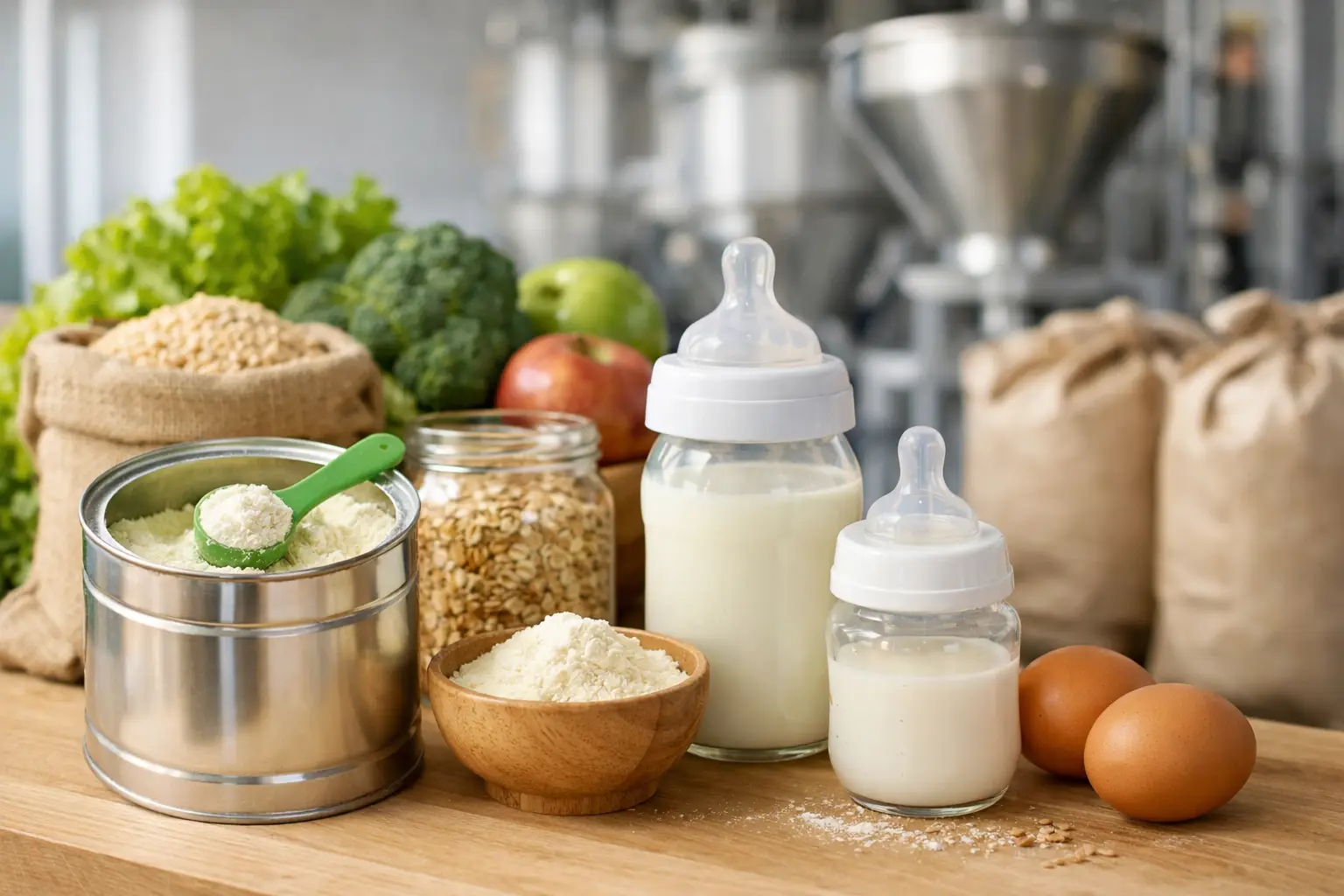
A missed container booking or an incomplete certificate can turn a strong organic formula sales forecast into an expensive stock gap. For importers, pharmacy groups and online retailers, choosing an organic formula bulk supplier is therefore not simply a price comparison. It is a decision about product legitimacy, regulatory readiness, continuity of supply and the practical details that keep goods moving from a European warehouse to your market.
Organic infant nutrition is a high-trust category. Your customers expect recognised brands, clear labelling, correctly handled stock and dependable availability. Your supplier should be ready to support those expectations with traceable batches, commercially accurate documents and an order structure that fits the way you buy.
What an organic formula bulk supplier should provide
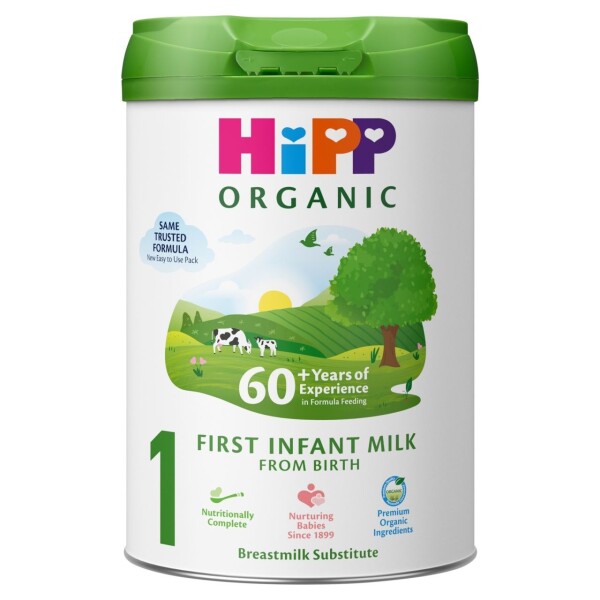
A credible wholesale partner begins with genuine, recognised products obtained through established European sourcing channels. In organic formula, this may include established lines such as HiPP Organic and other branded organic infant nutrition ranges, alongside relevant stages for newborns, follow-on feeding and toddlers where available.
Product range matters, but it is only one part of the buying decision. A distributor may offer a wide catalogue yet be unable to confirm available quantities, shelf-life requirements or the exact pack format required for your destination. Ask early whether the supplier can quote by SKU, pack size, case configuration, pallet quantity and total shipment volume. This makes comparisons more useful and avoids surprises once the purchase order is being prepared.
For regular buyers, consistency matters more than a one-off deal. A reliable supplier should be able to discuss repeat ordering, forecasted demand and alternatives where a particular organic SKU is temporarily constrained. Formula availability can change quickly, particularly when seasonal demand, factory allocation or market-specific packaging affects supply. Clear communication is more valuable than overpromising.
Genuine stock and batch traceability
In infant nutrition, authenticity is not a marketing detail. It is a commercial requirement. Buyers need confidence that stock is genuine, properly stored and identifiable by batch. Batch traceability supports internal quality procedures, retailer requirements, complaint handling and any market-specific import checks.
Before confirming a bulk order, establish what batch information can be provided and when. It is also sensible to agree the minimum remaining shelf life you require on arrival, not just at dispatch. The right threshold depends on your market, transport time, warehouse turnover and whether you supply retail, pharmacy or e-commerce channels. A fast-moving distributor may accept a different shelf-life profile from a buyer building stock for a slower regional network.
Traceability should extend beyond a number on a carton. Your supplier should be able to identify the product, batch, quantity and dispatch documentation associated with the shipment. This creates a more controlled supply chain and gives your operations team the records they need.
Documentation is part of the product
Organic formula orders are often delayed not because the goods are unavailable, but because paperwork has been treated as an afterthought. Export documentation needs to match the commercial transaction, the physical goods and the requirements of the destination country.
A professional supplier should prepare the core commercial documents accurately, including the commercial invoice, packing list and transport-related information required for the agreed shipment. Depending on the destination and product, buyers may also need supporting customs materials, certificates or product information. Requirements vary considerably by market, so the buyer remains responsible for confirming local import, labelling and registration rules before placing an order.
The best approach is to share your documentation requirements at quotation stage. Do not wait until the lorry is booked or the container has been loaded. Confirm consignee details, product descriptions, tariff classifications where applicable, declared values, pallet counts and any wording your customs broker requires. Small inconsistencies can cause disproportionate delays at clearance.
For US and international buyers, it is particularly useful to involve the importer of record, customs broker and compliance team before the first shipment. A supplier can support an organised process, but it cannot replace destination-market approval or your own regulatory responsibilities.
Match order volume to your stock plan
Bulk purchasing does not always mean a full-container order. The right format depends on cash flow, warehouse capacity, sales velocity and the mix of products your customers expect. A capable supplier should be comfortable discussing pallet quantities, mixed loads and full-container shipments.
Pallet orders can suit a first transaction, a specialist product line or a buyer testing demand in a new channel. They allow more controlled inventory exposure, although freight cost per unit may be higher. Mixed loads can help distributors maintain a broader organic assortment without overcommitting to one SKU. This is useful where demand is split across several stages or pack formats.
Full-container buying can improve unit economics and simplify freight planning when demand is proven. It also requires careful forecasting. Formula is not a category where excess inventory can be ignored, especially when shelf-life, local labelling arrangements and working capital are in play. The lowest quoted unit price is only valuable if the stock can move through your network in the available selling window.
A good supplier will ask practical questions about destination, preferred shipment type, anticipated quantity and delivery timing. These are signs of a procurement conversation rather than a simple catalogue transaction.
How to assess logistics capability
Export logistics should be planned around product protection and documentation accuracy, not just the fastest available freight option. Confirm the agreed Incoterms, collection point, lead time, pallet specification, loading arrangement and whether goods will be shipped by road, sea or air. Organic formula must arrive in saleable condition, with packaging protected throughout handling and transit.organic formula bulk supplier
For container movements, clarify whether the load will be floor-loaded or palletised, who is arranging freight and whether pre-shipment checks are required. For pallet shipments, ask about pallet dimensions, gross weight and whether the carrier can meet your receiving requirements. These details affect warehouse bookings, freight quotations and final landed cost.
Export-ready packing also matters. Cartons should be suitable for international handling, clearly identified and packed to reduce avoidable movement in transit. If your market requires particular outer-carton marks or documents to travel with the consignment, confirm this before preparation begins.
Baby Formula EU supports professional buyers with European-sourced branded stock, bulk order options and documentation-focused export coordination. The aim is straightforward: reduce unnecessary friction between purchase order and delivery while keeping the commercial process clear.
Questions to settle before requesting a quotation
A useful quotation request gives the supplier enough detail to offer a realistic proposal. Include the brands and stages required, target quantities, preferred pack sizes, destination country, whether mixed loads are acceptable and your required shelf-life threshold. State whether you need pallets, a part-container shipment or a full container.
You should also confirm the points that affect total landed cost: product price, case configuration, palletisation, handling, export packing, document preparation and the agreed delivery basis. Freight may be arranged by the buyer, supplier or nominated forwarder, but responsibility should be clear from the start.organic formula bulk supplier
Avoid making a decision solely on a headline price. A cheaper offer can become more expensive if the batches do not meet your shelf-life policy, documentation is incomplete, stock is substituted without approval or the supplier cannot support repeat replenishment. The right wholesale relationship makes ordering more predictable, which is often worth more than a small saving on a single consignment.
Build a supplier relationship, not a one-off purchase
Organic formula procurement works best when both sides share accurate forecasts and communicate early about changes in demand. Buyers benefit from advising suppliers of planned promotions, retail listings and new-market launches. Suppliers can then provide more realistic availability guidance and help structure orders around likely lead times.
Start with clear specifications, document every agreed point and review the first shipment carefully. Once product condition, paperwork and delivery performance meet expectations, regular ordering becomes easier to manage. A dependable organic formula supply arrangement gives you more time to serve your customers and less time chasing answers when stock is already due at the warehouse.


3 thoughts on “Choosing an Organic Formula Bulk Supplier”