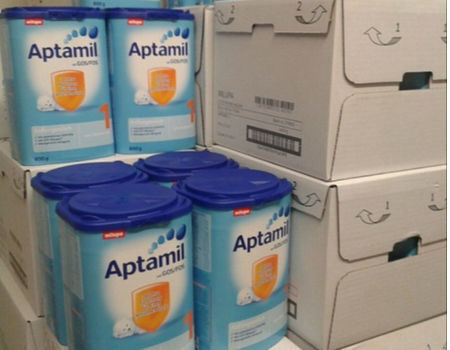
Aptamil Wholesale for Reliable Export Supply

Aptamil Wholesale for Reliable Export Supply

A missed delivery of infant formula is not simply an out-of-stock issue. For a pharmacy group, distributor or online retailer, it can mean lost customer confidence, disrupted replenishment plans and difficult conversations with buyers. Aptamil wholesale purchasing therefore needs to be managed as a controlled supply programme, not a one-off price exercise.

Aptamil is a recognised name across many international markets, with stage-based and specialist options that can support different retail and distribution requirements. The right wholesale arrangement combines commercially sensible pricing with verified product sourcing, clear batch information, export-ready packing and documents that match the shipment. When each part is planned before goods leave the warehouse, buyers can protect availability and reduce avoidable border delays.

What professional buyers need from Aptamil wholesale

The formula itself is only one part of the purchasing decision. Importers need confidence that the quoted products are genuine, correctly identified and available in quantities that suit their sales cycle. They also need a supplier that understands the practical difference between supplying a mixed pallet for a market test and building a repeat full-container programme for established demand.

For Aptamil wholesale, start with the exact SKU rather than the brand name alone. Confirm the formula stage, tin or pack format, language version, country-market specification, case configuration and minimum remaining shelf life. These details affect labelling reviews, warehouse handling, ecommerce listings and retail shelf planning. A Stage 1 infant formula, a follow-on formula and a toddler milk may all sit under the same brand, but they do not serve the same commercial purpose or regulatory route.

Specialist lines require additional care. Comfort, anti-reflux, lactose-free and other nutritional products may be in demand, but they should only be selected where local rules, product registration requirements and professional guidance allow their sale. Demand data matters more than broad assumptions. A fast-moving standard range with predictable reorders will often create a healthier supply programme than a wide assortment that remains in storage too long.

Build the order around actual turnover

Procurement teams should balance unit cost against stock exposure. Larger orders can improve freight efficiency and reduce the cost per case, yet they also tie up working capital and make shelf-life management more demanding. The best order size depends on forecast sales, warehouse capacity, lead times, customs processing and the reliability of onward distribution.

Pallet orders are useful for introducing selected Aptamil SKUs, serving a smaller customer base or combining products in a mixed load. Full-container shipments can be more economical for regular high-volume demand, provided the buyer can receive, clear and rotate the stock efficiently. Mixed loads are often the practical middle ground for distributors building a broader infant-nutrition portfolio.

Before requesting a quotation, prepare a concise buying brief that includes:

  • Required Aptamil products, pack sizes, stages and preferred quantities
  • Destination country, delivery point and preferred shipping terms
  • Required remaining shelf life and any language or market-pack requirements
  • Whether the order is a trial purchase, regular pallet programme or container shipment
  • Documentation needed for customs clearance and local compliance checks

A clear brief reduces back-and-forth and makes price comparisons more meaningful. It also gives the supplier an opportunity to identify pack, availability or shipping constraints before the order is committed.

Traceability matters more than a low case price

A low quotation can look attractive until a buyer cannot obtain batch details, confirm provenance or match paperwork to the physical cargo. In infant nutrition, traceability is a core commercial safeguard. It supports internal quality procedures, retailer requirements, stock rotation and the ability to respond quickly if a market authority or customer requests product information.

Professional buyers should expect batch and date information to be handled carefully through the supply process. Carton markings, pallet identification and packing records should be consistent with the commercial documents provided for the shipment. This is particularly relevant where a consignment is split between multiple distribution locations after arrival.

Genuine sourcing is equally central. Established European sourcing channels help buyers access recognised branded products while avoiding the uncertainty of informal supply routes. For Baby Formula EU, the focus is on supplying genuine products with the commercial information international buyers need to plan with confidence. That confidence should be supported by practical checks, not vague assurances.

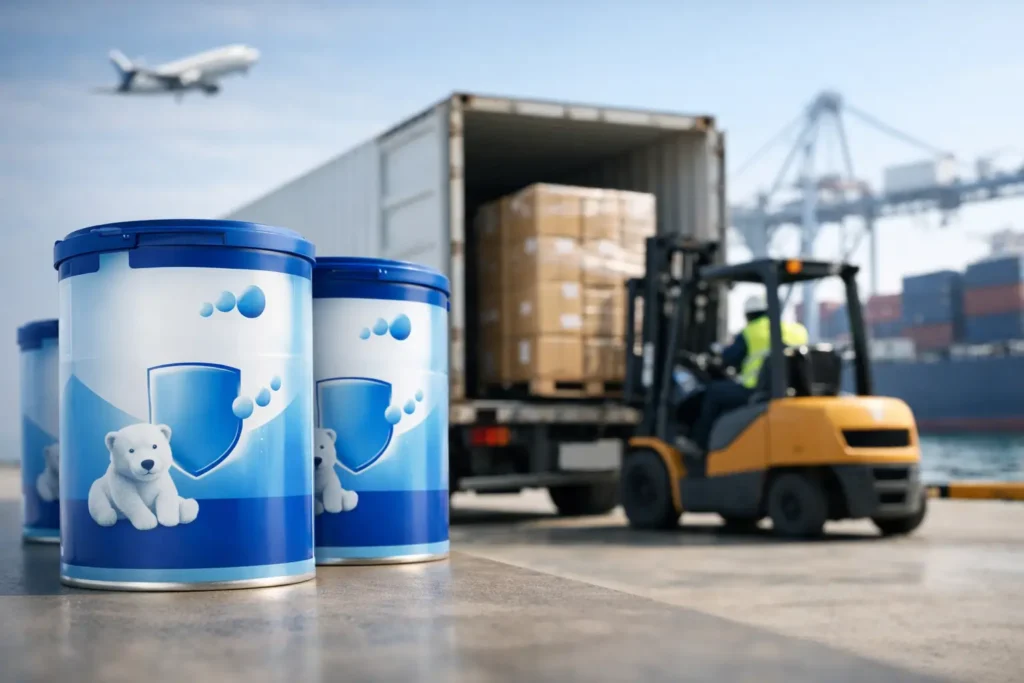
Ask how products are stored before dispatch, how cases are protected for export and how batch information is recorded. Formula is sensitive stock: damaged outer cases, poor pallet stability and unsuitable handling conditions can create claims, rejected deliveries or unnecessary waste. Export packing should protect the goods through warehouse handling, lorry collection, port operations and international transit.

Check suitability for the destination market

A product that is legitimate and correctly labelled for one European market may not automatically be ready for sale in another country. The importer remains responsible for understanding destination-market obligations, including labelling, registration, import permits, nutritional rules and any local requirements for infant formula. A dependable exporter can provide accurate commercial and product documentation, but it cannot replace the buyer’s local regulatory assessment.

This distinction helps prevent a common purchasing error: treating export paperwork as proof of retail compliance. A commercial invoice, packing list and certificate where applicable are essential for shipping and customs processes. They do not necessarily resolve every local requirement for marketing or selling the product after arrival.

When launching in a new market, consider beginning with a smaller, controlled order and completing all product and label reviews before scaling. When supplying an established market with proven demand, a scheduled replenishment plan may be the better option. The correct approach depends on the buyer’s sales history and compliance position.

Documentation and logistics should be planned together

Documentation accuracy has a direct effect on clearance time. Product descriptions, quantities, weights, consignee details and country information must align across the invoice, packing list and transport documents. Small inconsistencies can lead to questions at the border, storage charges and delivery delays that erase the savings achieved in the original negotiation.

Discuss documentation requirements early, particularly for destinations with formal import controls. Buyers should clarify which materials are required by their customs broker, port authority, bank or local regulator. Depending on the shipment and destination, this may include standard commercial documents, origin-related information, health or free-sale documentation where available and transport records.

Logistics planning should cover more than the freight booking. Confirm whether the agreed shipment is collected from the supplier, delivered to a port or arranged to the buyer’s nominated destination. Agree the pallet format, loading plan, temperature and storage expectations where relevant, insurance responsibilities and the point at which risk transfers. Clear terms protect both sides and make claims easier to assess if something goes wrong.

For container orders, loading quality deserves close attention. Cases should be stacked securely, pallets should be stable where palletised shipping is used, and container utilisation should be planned without compromising product protection. For pallet shipments, check the maximum dimensions and weight accepted by the receiving warehouse. A pallet that cannot be handled at destination can become an expensive operational problem.

Price transparency supports repeat supply

Wholesale pricing is rarely just a single number. The landed cost includes the product price, export packing, freight, insurance where selected, duties, taxes, customs brokerage and destination handling. Comparing offers fairly means comparing the same products, the same shelf-life expectation, the same order quantity and the same delivery basis.

Reducing unnecessary intermediary mark-ups can create better purchasing conditions, especially for repeat buyers. However, the cheapest source is not always the lowest-cost supply route. A delayed shipment, incomplete documents or unsuitable stock can cost far more than a modest difference in case price. Buyers should favour suppliers that can explain availability, pack formats and delivery assumptions plainly.

A sustainable relationship also benefits from forward planning. Share forecasts where possible, especially before periods of high retail demand or when stocking multiple markets. Forecasts do not need to be perfect to be useful. They help the supplier reserve appropriate inventory, plan mixed loads and advise on realistic lead times.

Make each order easier than the last

The first Aptamil wholesale order should establish a working process that becomes simpler with every repeat shipment. Keep a record of approved SKUs, pack specifications, preferred documents, label checks, freight contacts and agreed shelf-life standards. Review actual sales and delivery performance after each consignment, then adjust the next order before stock pressure develops.

Reliable formula supply is built through careful product selection, verified sourcing and disciplined export execution. Start with the products your market can sell confidently, specify the shipment clearly and leave enough time for documentation and clearance. That approach gives your customers a more dependable shelf, and gives your procurement team fewer surprises to manage.
Formula Compliance for Reliable Global Supply

Formula Compliance for Reliable Global Supply

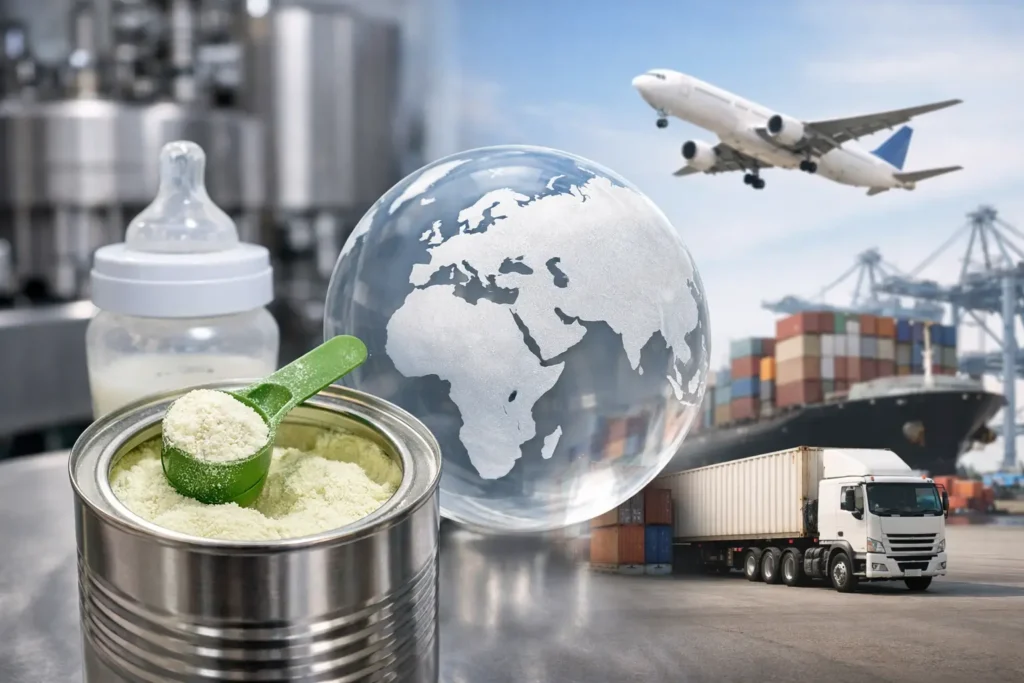
A delayed container of infant formula is not simply an inventory issue. It can leave pharmacy shelves empty, disrupt retailer promotions and create difficult conversations with customers who depend on a familiar product. Formula compliance is therefore a procurement priority, not an afterthought for the customs stage. It connects the product, its labelling, its batch records and its shipping paperwork into one supply process that buyers can rely on.

For importers and distributors, the practical objective is clear: buy genuine, correctly documented products that can move through the intended market without avoidable delays. The detail behind that objective varies by destination, product type and route to market. A standard follow-on formula, for example, may require a different review from a specialised anti-reflux, lactose-free or premature formula.

What Formula Compliance Means in Wholesale Trade

Formula compliance covers the legal, technical and commercial controls that support the sale and movement of infant nutrition products. It includes product suitability, accurate labels, ingredient and allergen information, date coding, traceability, food safety documentation, import requirements and customs declarations.

It does not mean that one document makes a product acceptable everywhere. Infant formula is highly regulated, and requirements can differ between the United Kingdom, European Union, United States and individual export markets. A product legitimately placed on the European market is not automatically authorised for retail sale in every destination. The importer should always confirm the rules of the receiving market with the relevant authority, broker and local regulatory adviser before placing a commercial order.

That distinction matters when sourcing recognised brands such as Aptamil, Nutrilon, HiPP Organic, Enfamil, Similac, SMA or Cow & Gate. Brand recognition may support demand, but it does not replace destination-market review. Procurement teams need both a product that customers trust and a compliance route that stands up to scrutiny.

Start With the Product, Not the Shipment

The strongest compliance process begins before a quotation is accepted. Buyers should define exactly what they intend to import: the brand, product name, stage, format, pack size, language version, quantity, country of origin and intended sales channel.

Formula stages deserve particular attention. Products marketed for infants from birth, follow-on formulas and toddler milks are not interchangeable categories. The intended age range, nutrient profile and marketing presentation may affect the rules that apply. Speciality lines also require careful handling because their claims and intended use can attract additional review.

Ask for current product information tied to the actual stock being offered, rather than relying only on an old catalogue image. Packaging can change, recipes may be updated and country-specific versions can differ. Confirm the label language, best-before format, storage instructions and any stated preparation guidance early. This reduces the risk of receiving a product that is commercially sound but unsuitable for your shelf, online listing or local labelling programme.

There is also a commercial trade-off. Relabelling may be possible in some markets, but it can add cost, time and regulatory responsibility. For a mixed load with several SKUs, the operational saving from buying available stock can quickly disappear if each line requires separate label work and approval.

Documentation That Supports Formula Compliance

Accurate documents give buyers, freight partners and authorities a consistent view of the goods. They should describe the same product, quantity and transaction throughout the shipment file. Small discrepancies in pack counts, lot numbers or consignee details can create delays that are disproportionately expensive in temperature-sensitive or high-demand categories.

For a normal export order, the documentation pack may include:

  • a commercial invoice with clear product descriptions, quantities, values, currency and agreed Incoterms;
  • a packing list showing cartons, net and gross weights, pallet details and shipment configuration;
  • batch and best-before information to support traceability and inventory planning;
  • transport documents and, where relevant, certificates or declarations requested by the destination market;
  • customs-support information such as commodity classification, country of origin details and exporter or importer references.

The exact set depends on the destination and shipment method. Buyers should not assume that a certificate commonly used for one market will satisfy another. It is better to provide a destination-specific document checklist to the supplier and freight forwarder before cargo is packed.

Documentation accuracy should also be checked against the physical goods. If cartons show one batch range and the packing list shows another, the issue needs correcting before dispatch. The same applies to pallet labels, case counts and date codes. These controls are straightforward, but they are the foundation of fast problem resolution if a retailer, authority or warehouse raises a query later.

Traceability Is a Commercial Safeguard

Traceability is often discussed as a regulatory obligation. For wholesale buyers, it is equally a way to protect revenue and customer confidence. You should be able to identify which batches were received, when they were shipped, which warehouse held them and which customers received them.

A practical traceability record links the supplier batch, best-before date, purchase order, container or airway bill, warehouse receipt and onward sales record. This allows stock to be allocated by date and makes targeted action possible if a quality query arises. Without that link, a buyer may have to hold far more stock than necessary while investigating a single lot.

First-expiry, first-out stock control is especially useful for formula. It helps preserve saleable shelf life and gives retail customers more predictable delivery. However, it relies on receiving accurate date data before goods arrive, not after they are unloaded.

Genuine sourcing is part of this picture. Professional buyers should look for clear supply channels, product photographs or specifications where appropriate, batch visibility and a supplier willing to answer practical questions about packing and documentation. Very low pricing without a credible explanation of source, condition or paperwork can create a much higher cost later.

Labelling and Market Presentation Need Separate Review

Customs clearance and retail compliance are related, but they are not identical. A shipment may clear the border while still needing local label review before sale. Conversely, a well-designed consumer label does not solve an incorrect customs declaration.

Check whether the destination requires local language information, specific nutrition panels, mandatory warnings, importer details, metric declarations or prescribed age statements. Online retailers should also ensure that product pages accurately match the pack in hand. Using generic imagery or copying claims from another country’s version can cause avoidable listing and consumer-service problems.

Claims require particular care. Terms associated with digestive comfort, reflux, allergy management, lactose content or premature infant feeding may be regulated differently across markets. A specialised formula should not be promoted beyond its approved product information simply because a similar claim is used elsewhere. When in doubt, obtain local regulatory advice before releasing stock for sale.

Build Compliance Into Purchase Planning

The best time to manage risk is before stock becomes urgent. Forecast demand by product stage and pack size, then allow time for document review, booking, export packing, transit, clearance and warehouse intake. This is particularly valuable around seasonal demand peaks, promotional periods and changes to import procedures.

For repeat orders, agree a simple pre-shipment process with your supplier. Confirm the final SKU list, batch expectations, remaining shelf life, carton configuration, labelling version and documents required before collection. For pallet and container orders, request confirmation once goods are allocated rather than waiting until the cargo is already in transit.

Baby Formula EU supports professional buyers with European-sourced branded formula, batch traceability, export-ready packing and commercial documentation suited to international wholesale movements. Even with an experienced supply partner, the importer remains responsible for confirming destination-market requirements. Clear communication between supplier, buyer, customs broker and local adviser is what keeps that responsibility manageable.

When a Shipment Needs Extra Attention

Some orders justify a deeper review. This includes first shipments to a new country, formula with medical or specialised positioning, stock requiring local relabelling, mixed loads from different origins, and goods sold through major pharmacy or supermarket groups with strict supplier onboarding rules.

In these cases, a short pre-import file can prevent confusion. Keep approved product specifications, label artwork, batch records, import advice, required certificates and customer-specific requirements together under the purchase order. It is less glamorous than negotiating a container price, but it is often what protects the margin on the deal.

Reliable formula compliance is built through repeatable controls, not last-minute document chasing. When product information, traceability and export paperwork are aligned before goods leave the warehouse, buyers are better placed to keep recognised infant nutrition products moving confidently into the markets they serve.

Choosing a Toddler Milk Wholesale Supplier

Choosing a Toddler Milk Wholesale Supplier

A missed delivery of toddler milk is rarely a small retail problem. For an importer, pharmacy chain or online retailer, it can mean empty shelves, cancelled orders, frustrated parents and pressure on a category where trust is earned slowly. Choosing the right toddler milk wholesale supplier is therefore about more than finding a low unit price. It is about protecting continuity of supply while meeting the commercial and documentation standards expected in international infant-nutrition trade.

Toddler milk, often sold as stage 3 or growing-up milk depending on the brand and market, sits at the point where family buying habits become established. Demand can be consistent, but it is not identical across every destination. Brand preference, language requirements, pack formats, local import rules and the availability of follow-on products all shape a successful buying programme. A wholesale supplier should help buyers manage those practical differences rather than simply offer a catalogue.

What a toddler milk wholesale supplier should provide

The strongest supply relationships begin with product confidence. Professional buyers need clear information on the brand, formula stage, pack size, country of origin, batch details and available quantities before they commit to a shipment. Recognised European brands such as Aptamil, Nutrilon, HiPP Organic, Cow & Gate and SMA can carry strong demand in many export markets, but the right assortment still depends on the buyer’s route to market.

A supermarket group may need a dependable core range in pallet volumes. A specialist e-commerce retailer may require a mixed load across standard, organic and sensitive-nutrition lines. An importer supplying several regions may need flexibility in labelling review, export packing and shipping schedules. These are different commercial needs, and they should not be treated as one order type.

Genuine sourcing is equally central. Infant nutrition is a high-trust category, and product authenticity concerns can damage a buyer’s reputation long after a single shipment has been sold. Ask suppliers how they source stock, what batch traceability they maintain and how they verify that products are handled through established channels. A competitive offer is valuable only when the supply route behind it is credible.

Price matters, but landed cost matters more

Wholesale buyers are right to compare prices, particularly when ordering pallets or container quantities. However, the lowest ex-works or quoted carton price does not always produce the best commercial result. Freight, export packing, documentation, insurance, customs procedures, storage exposure and delays at the border can quickly change the cost of a shipment.

A useful quotation should make the order structure clear: product description, quantity, pack configuration, shelf-life information where available, delivery terms and the documents included. If a price appears significantly below the market without a clear explanation, it deserves closer examination. It may reflect short-dated stock, a limited allocation, missing export support or a supply source that cannot support repeat orders.

Commercial predictability has value. A supplier that can explain availability honestly, propose suitable alternatives when a line is restricted, and plan future loads with the buyer can reduce costly last-minute purchasing. For recurring business, this is often more valuable than a small saving on one consignment.

Match the product range to your customer base

Toddler milk is not a single purchasing category. Some customers specifically seek mainstream stage 3 products from familiar brands. Others look for organic, goat-milk or lactose-free options. Certain markets have demand for comfort formulas or products that align with an existing infant and follow-on formula range.

Before requesting a wholesale quotation, define whether your priority is breadth, depth or a balanced range. Breadth means offering several recognised brands and nutritional formats. Depth means keeping higher stock coverage of the fastest-selling SKUs. A balanced range may combine reliable core lines with smaller volumes of specialist products to test demand without tying up too much working capital.

This is where mixed pallet and mixed-load options can be commercially useful. They allow buyers to build a more considered range while avoiding a full-pallet commitment on every SKU. The trade-off is that mixed orders can require more careful handling and may carry different packing or lead-time considerations. A serious supplier should set those expectations before the order is confirmed.

Questions to settle before ordering

A procurement brief is stronger when it answers a few operational questions upfront. Confirm the destination market, required brands and stages, expected monthly volume, preferred shipment format and target delivery window. Also establish whether you need retail-ready cartons, additional export packing or documents for customs and product registration.

For toddler milk in particular, check product language and market presentation carefully. A formula intended for one European market may not automatically meet the packaging, registration or labelling expectations of another destination. The supplier can provide product and export information, but the importer remains responsible for ensuring that goods can be legally placed on the market where they will be sold.

Documentation is part of the product

In cross-border trade, paperwork is not an administrative extra added at the end of a sale. It is part of the shipment. Incomplete or inconsistent commercial documents can delay customs clearance, create disputes with freight partners and leave stock sitting where it cannot earn revenue.

The exact documentation required depends on the destination and the agreed Incoterm, but professional buyers commonly need accurate commercial invoices, packing lists, product and batch information, certificates or statements where applicable, and transport documents. Customs-support materials should match the physical consignment precisely, including quantities, weights, product descriptions and consignee details.

Buyers should also discuss document timing. A shipment can be physically ready while a missing detail holds up collection or clearance. Early confirmation of consignee information, tariff classification requirements and destination-specific requests helps avoid corrections after dispatch. Accuracy matters more than speed if the documents are wrong, but an experienced export partner should provide both.

Plan stock around shelf life and shipment time

Toddler milk inventory needs sensible rotation. Buyers should request realistic shelf-life information at the quotation stage and assess it against voyage time, customs clearance, warehouse receiving and expected sell-through. A product with acceptable remaining shelf life for a nearby market may be unsuitable for a destination involving longer sea freight and slower inland distribution.

Forecasting should reflect more than last month’s sales. Promotional campaigns, seasonal demand, competitor shortages and changes in family purchasing patterns can all affect movement. It is often wiser to agree regular replenishment cycles than to depend on occasional large orders, especially when demand is spread across several brands or specialist formats.

A supplier should be transparent if stock is limited or if a particular batch is approaching a buyer’s minimum shelf-life requirement. Clear communication allows procurement teams to make a commercial decision. Surprises after goods have been loaded do not.

Logistics should fit the order, not the other way round

Pallet quantities, mixed loads and full containers each have a place. Smaller wholesale orders can reduce initial inventory risk and support range testing. Full-container movements may improve freight efficiency for established demand, but they require stronger forecasting, warehouse capacity and cash-flow planning.

Export-ready packing deserves attention as well. Formula cartons need protection from crushing, moisture and unnecessary handling during transit. Confirm palletisation, outer-carton condition, loading approach and any temperature or storage considerations relevant to the transport route. The objective is straightforward: goods should arrive in saleable condition with batches and quantities easy to receive and reconcile.

Logistics coordination is particularly valuable when several parties are involved, including the supplier, freight forwarder, customs broker and destination warehouse. Each party needs consistent shipment information. A responsive wholesale partner helps keep that chain organised without making promises that sit outside its control.

Build a supplier relationship that improves with each order

The first order should test more than product quality. It should show how a supplier communicates, handles allocation, prepares documents and responds when a question arises. These details reveal whether the business can support a long-term purchasing programme.

Baby Formula EU works with professional buyers seeking recognised European infant-nutrition brands, from mixed pallet orders to container-scale supply. The practical aim is to reduce unnecessary intermediary costs while maintaining genuine sourcing, batch traceability, export documentation and coordinated logistics.

The best toddler milk wholesale supplier is not simply the one that can ship stock this week. It is the partner that gives your team clearer choices, fewer avoidable delays and the confidence to keep a trusted range available for the families who depend on it.

Anti Reflux Formula Wholesale Supplier Checklist

Anti Reflux Formula Wholesale Supplier Checklist

A shortage of specialist infant nutrition is not simply an out-of-stock problem. For an importer, pharmacy group or online retailer, it can mean lost customer confidence, disrupted shelf plans and difficult conversations with parents seeking a recognised anti-reflux option. Selecting the right anti-reflux formula wholesale supplier is therefore a procurement decision that requires more than a competitive unit price.

Anti-reflux formulae are a specialised category. Product specifications, pack formats, market labelling and import requirements can vary by brand and destination. Buyers need a supplier that understands wholesale continuity: genuine stock, clear batch information, properly prepared export paperwork and practical support from quotation through to dispatch.

Why anti-reflux supply needs closer control

Anti-reflux formula is generally formulated to thicken in the bottle or stomach, helping manage regurgitation when used under appropriate professional guidance. This makes it distinct from standard first infant milk, comfort formulas, lactose-free products and extensively specialised nutritional products. For wholesale buyers, the difference matters because demand is often more sensitive to availability.

Parents and carers may be reluctant to switch between products once a baby is settled on a particular formula. A retailer that cannot replenish a familiar SKU quickly risks losing not only that sale, but the wider customer relationship. Importers face a similar issue when a distributor network depends on regular supply of a recognised brand.

The commercial requirement is not to overstock every specialist line. It is to build a supply arrangement that matches realistic demand, replenishment lead times and destination-market requirements. A supplier should be able to discuss pallet quantities, mixed loads and container planning without treating every order as a one-off transaction.

What to assess in an anti-reflux formula wholesale supplier

A good supplier makes the operational details easy to verify. Before committing to a larger purchase, buyers should establish how stock is sourced, identified, handled and documented. Straight answers at this stage usually prevent expensive delays later.

Genuine branded products and product accuracy

Start with the exact product required. Brand names can look familiar across markets while the presentation, language, formulation details, tin size or recommended age range differ. Confirm the full SKU description, pack count per case, best-before information available at the point of quotation and the intended market version.

This is particularly relevant for European brands such as Aptamil and Nutrilon, where specialised ranges may have market-specific naming and packaging. A supplier should not make assumptions about whether one country version is interchangeable with another in your destination market. The buyer remains responsible for ensuring the product can be legally imported, marketed and sold locally, but a capable export partner provides accurate product information to support that process.

Authenticity is equally fundamental. Work with suppliers that can explain their European sourcing channels and provide batch traceability. Genuine products, handled through established supply routes, protect your business from the financial and reputational damage associated with questionable stock.

Batch traceability and shelf-life planning

Specialist formula purchasing needs a clear view of stock rotation. Ask how batches are recorded, what shelf life can be confirmed before dispatch and whether mixed batches may be supplied. There is no universal minimum shelf-life figure that works for every buyer. It depends on transit time, customs procedures, warehouse turnover, retailer delivery windows and local customer demand.

A fast-moving e-commerce retailer may be comfortable with a different shelf-life profile than a distributor placing stock into several regional warehouses. What matters is that the arrangement is transparent before payment and consistent when orders are packed.

Traceability should follow the shipment, not disappear once goods leave the warehouse. Case and pallet identification, packing records and batch details help buyers manage receiving checks, recalls should they ever be required, and downstream customer queries.

Export documentation that matches the shipment

For international trade, documentation accuracy is part of the product. An invoice, packing list and transport paperwork that do not match the physical consignment can hold a shipment at the border and create avoidable storage costs.

Depending on the route, product and buyer requirements, commercial documentation may need to support customs declaration, origin review, product registration or local food-import processes. A wholesale supplier cannot replace the buyer’s customs broker, regulatory adviser or local authority, but it should prepare export-ready documents carefully and respond promptly when clarification is needed.

Confirm in advance which documents can be supplied, how product descriptions will appear and whether your business needs specific consignee, tariff or pallet information. Small discrepancies are easier to correct before a lorry collects the goods than when a container is already moving through a port.

Wholesale capacity that fits the order model

The lowest price is not always the best buying position if the supplier cannot support repeat volumes. Ask about available order formats: full cases, pallet quantities, mixed pallets, mixed loads and full-container shipments. Each option has a place.

Mixed loads can help a buyer test demand across anti-reflux, comfort, organic or follow-on ranges without committing too heavily to one SKU. Full pallets may suit pharmacy chains or established retailers with predictable movement. Container orders can improve freight efficiency for high-volume importers, but require stronger forecasting, more working capital and reliable destination storage.

A supplier should be candid about what is immediately available versus what may require additional lead time. This supports honest purchasing decisions and avoids selling stock to your own customers before you have dependable confirmation.

Questions worth asking before you request a quotation

Procurement teams often compare prices first and operational readiness second. In infant nutrition, reversing that order can be costly. Use the quotation stage to test whether a supplier has the information discipline required for long-term supply.

Ask for clarity on these points:

  • Exact product name, format, case configuration and available quantities.
  • Batch and best-before information, including the supplier’s approach to mixed batches.
  • Source market and packaging language for the proposed stock.
  • Pallet specification, gross weights and loading options for your preferred shipment type.
  • Available commercial documents and the process for checking consignee details before dispatch.
  • Lead times for collection, export preparation and any logistics coordination requested.

These questions are not bureaucracy for its own sake. They give purchasing, compliance, logistics and finance teams the same view of the order. That alignment is especially valuable when goods are being supplied across borders and several parties are involved.

Build continuity into your buying plan

Demand for anti-reflux formula may be steadier than many buyers expect, but it can also change quickly when local availability of a competing brand falls. Rather than relying solely on emergency purchases, set reorder points based on average sales, agreed lead times, transit risk and a sensible safety-stock level.

It also helps to separate core and contingency requirements. Your core line may be one recognised anti-reflux formula with proven local demand. A contingency plan can include approved alternatives or supplementary specialist ranges, subject to your market’s regulations and customer needs. This approach reduces the pressure to make rushed substitutions when supply tightens.

Forecasts should be shared with your supplier where possible. Even a simple rolling estimate gives a wholesale partner a better opportunity to plan allocation, prepare stock and flag potential constraints early. In return, buyers should expect realistic availability updates rather than vague assurances.

The value of a European export partner

European sourcing can offer access to well-known infant formula brands and specialist product ranges, but it still requires disciplined export execution. Buyers need goods that are packed securely for international movement, accompanied by accurate commercial information and managed with attention to delivery milestones.

Baby Formula EU supports professional buyers seeking wholesale access to recognised infant nutrition brands, including specialist anti-reflux products. The focus is practical: genuine European-sourced stock, batch traceability, bulk-order flexibility and documentation prepared for export requirements.

For importers, supermarkets, pharmacies and trading companies, responsive communication is part of reliability. A useful supplier provides a clear quotation, confirms what is available, explains the next steps and stays available when your logistics team needs an answer. That does not eliminate customs or transport risk, but it gives your business a better basis for managing it.

Choose for repeat orders, not just the first shipment

The strongest supplier relationship is usually built through consistent execution: the right product, the agreed quantity, accurate paperwork and realistic timing. Price remains important, particularly in a competitive retail category, but it must sit alongside stock integrity and supply predictability.

When assessing an anti-reflux formula wholesale supplier, look for the partner that makes your next order easier to plan than your first. That is the practical standard that protects availability for your customers and supports long-term growth in specialist infant nutrition.

How to Choose an Original Baby Formula Distributor

How to Choose an Original Baby Formula Distributor

A delayed pallet of infant formula is not simply an inconvenient delivery. For an importer, pharmacy group or online retailer, it can mean empty shelves, missed sales, frustrated customers and difficult questions from regulators. Choosing an original baby formula distributor is therefore a supply-chain decision, not just a price comparison.

Professional buyers need a partner that can source recognised brands consistently, demonstrate product traceability and prepare shipments properly for the destination market. The right distributor helps protect availability from the first quotation through to customs clearance and delivery.

What “original” should mean in wholesale formula supply

In infant nutrition, original means more than a familiar tin design or a low wholesale offer. Buyers should expect genuine branded products sourced through established channels, with clear batch information, intact packaging and a documented path from supply to export.

This matters because formula is a highly sensitive category. A product can be genuine yet still be unsuitable for a particular market if its labelling, language, stage format or import documentation does not meet local requirements. Likewise, a low-priced consignment can become expensive very quickly if batch data cannot be verified or customs paperwork is incomplete.

An experienced supplier should be comfortable discussing brand, product stage, pack size, country of origin, shelf-life expectations, available volumes and shipment configuration before an order is confirmed. Vague answers at this stage are a warning sign, particularly when the order is intended for long-term retail supply.

Start with the buying requirement, not the catalogue

A broad catalogue is valuable, but it should follow a clear procurement brief. Before requesting a quotation, define the brands and formats your market can sell, the expected monthly volume, preferred shelf-life window, destination port or airport, and whether you need pallets, mixed loads or full containers.

For example, a supermarket buyer may need regular full-pallet supply of Aptamil or Cow & Gate in retail-ready cases. An e-commerce retailer may require a mixed load across standard, comfort, anti-reflux and lactose-free lines. A specialist importer could be sourcing organic, goat-milk or premature formula for a defined customer base. These requirements affect stock allocation, packing, documentation and transport planning.

The same principle applies to formula stages. Infant, follow-on and toddler formulas should never be treated as interchangeable stock. Product names, recommended ages and nutritional positioning vary by brand and market. A distributor should help the buyer specify the correct SKU rather than substitute a similar-looking product without approval.

Assess the original baby formula distributor’s sourcing controls

The most useful due-diligence questions are practical. Ask how products are sourced, how batches are recorded, what checks are made before dispatch and whether product images, labels or batch details can be shared as part of the pre-shipment process.

A dependable distributor will recognise why this information matters. Batch traceability supports stock rotation, customer service and any internal quality procedure your business must follow. It also allows buyers to match received goods against commercial documents and investigate an issue quickly if one arises.

Packaging deserves equal attention. Original products should arrive in sound, saleable condition, with outer cases suitable for transit and clear handling arrangements for palletised or containerised freight. Where export journeys are long or involve multiple handling points, export-ready packing is not an extra. It is part of protecting the product and your margin.

Be cautious of offers that focus only on a headline unit price. Formula procurement has a total landed cost: product price, case configuration, pallet build, transport, insurance where required, customs procedures, duties and the financial effect of damaged or delayed stock. A transparent supplier helps buyers see the commercial picture early.

Documentation is part of the product

For international formula trade, paperwork cannot be left until the lorry is booked. Commercial invoices, packing lists, transport documents, product and batch information, certificates where applicable, and customs-support materials all need to align with the shipment.

Exact requirements depend on the destination market, product category and import route. The importer remains responsible for confirming local registration, labelling, food-safety and import rules, particularly for regulated markets such as the United States. However, the distributor should provide accurate commercial documentation and cooperate promptly with reasonable document requests.original baby formula distributor

This is where repeat relationships have real value. A supplier that understands your usual shipping lanes, consignee details and document format can reduce avoidable corrections. That does not remove the need for compliance checks, but it makes the process more predictable when stock is moving at wholesale scale.

Questions worth asking before placing an order

Before committing to a new supplier, establish whether they can confirm the following:

  • available quantity by SKU, including whether the offer is spot stock or repeat supply;
  • batch and shelf-life details suitable for your sales cycle;
  • outer-case dimensions, weights, pallet quantities and loading plans;
  • export packing and temperature or handling considerations where relevant;
  • commercial and customs-support documents supplied with the shipment; and
  • the agreed Incoterms, lead time, collection point and responsibility for freight coordination.

Clear answers are more valuable than broad assurances. They give your procurement, logistics and compliance teams the information needed to approve an order with confidence.

Match ordering scale to your inventory plan

Wholesale formula supply works best when the order size reflects demand rather than the appeal of a temporary deal. A mixed pallet can be sensible for product testing, a new retail launch or a specialist range with uneven demand. Full pallets support better handling efficiency for established lines. Full-container orders may improve unit economics for high-volume importers, but only when warehouse capacity, shelf-life management and sell-through are properly planned.

Buyers should also consider whether a distributor can support a sensible blend of core and specialist stock. Core products may drive regular volume, while anti-reflux, comfort, lactose-free, organic or goat-milk formulas can differentiate a retail range. The trade-off is that specialist SKUs may turn more slowly, so they require disciplined forecasting.

A good supplier does not need to promise that every product will always be available. Supply conditions change, and recognised formula brands can experience allocation pressure. What matters is honest communication about availability, alternatives and lead times, allowing the buyer to make decisions before a stock gap becomes urgent.

Look for logistics coordination, not just dispatch

A formula distributor may not operate the vessel, airline or final-mile network, but it should still coordinate the export side of the shipment professionally. This includes confirming collection readiness, checking pallet counts and weights, preparing documents on time and communicating clearly with the buyer or nominated freight forwarder.

For cross-border shipments, small discrepancies can create disproportionate delays. A mismatch between the invoice, packing list and freight booking can hold goods at a border. Incorrect consignee information can slow clearance. Poorly protected pallets can arrive with damaged retail packaging. These are operational details, but they directly affect customer availability and landed cost.original baby formula distributor

At Baby Formula EU, wholesale supply is built around European sourcing, recognised branded formula, batch traceability, export-ready packing and support for professional buyers arranging international shipments. This approach is designed for importers and retailers who need practical information before goods leave the warehouse, not after they reach the destination.

Build the relationship around repeatability

The first order shows whether a supplier can fulfil a shipment. The next orders show whether they can support a business. For recurring formula programmes, buyers should agree a communication routine covering forecasts, stock updates, replacement options, shipment milestones and documentation requirements.

Price remains important, especially where retail competition is strong. Yet the cheapest quote is not automatically the best commercial outcome. A modest price difference can be outweighed by stronger batch visibility, more accurate documents, better case packing and a supplier who responds quickly when plans change.

The most reliable original baby formula distributor is one that treats your order as part of a continuing supply programme. When product authenticity, traceability, export execution and commercial clarity are handled together, your team can spend less time resolving preventable issues and more time keeping the right formula available for the customers who depend on it.

Original Aptamil Producers

Original Aptamil Producers

Original Aptamil Producers for Retail and Wholesale Supply

Finding Original Aptamil Producers and reliable supply channels requires careful sourcing. Retailers need authentic products, consistent availability, traceability, and accurate documentation. Therefore, choosing the right commercial supply partner can protect inventory and customer confidence.

We support qualified importers, supermarkets, pharmacies, wholesalers, retailers, and distributors seeking Aptamil products. Moreover, our sourcing service supports commercial requirements across the UK, Ireland, Germany, the Middle East, Southeast Asia, and global markets.

Retail buyers often need more than standard wholesale supply. They may require pallet quantities, scheduled replenishment, suitable packaging, and export documentation. Consequently, our commercial approach focuses on dependable procurement and practical logistics.

Buyers can discuss product availability, quantities, packaging, destination, and delivery requirements before placing an order. This process creates clearer expectations and supports efficient purchasing decisions.

Original Aptamil Producers and Reliable Retail Sourcing

Businesses searching for Original Aptamil Producers should verify product authenticity and supply-chain information. However, buyers should distinguish between a manufacturer, authorized distributor, wholesaler, and independent sourcing company.

A reliable commercial supplier should provide clear product information. In addition, buyers should request appropriate documentation before confirming substantial orders.

Important considerations include:

  • Product identification
  • Batch and expiry information
  • Packaging specifications
  • Traceability records
  • Commercial invoices
  • Certificates where applicable
  • Export documentation
  • Shipping information
  • Product availability
  • Wholesale purchasing terms

Therefore, retailers can make better purchasing decisions while reducing unnecessary sourcing risks.

Aptamil Supermarket Supplier for UK and Ireland Retailers

Supermarkets require dependable supply and predictable inventory planning. Therefore, an Aptamil supermarket supplier should understand retail purchasing cycles.

Large retailers may require regular deliveries, pallet quantities, and scheduled replenishment. Meanwhile, independent stores may prefer smaller wholesale quantities.

Our commercial sourcing model supports both purchasing requirements. Furthermore, buyers can discuss product ranges, quantities, delivery schedules, and destination requirements.

For UK and Irish retailers, local market requirements remain important. Consequently, importers should verify labeling, registration, language, and applicable regulatory requirements.

This approach supports stronger retail planning without making unsupported claims about manufacturing origin.

Aptamil Supermarket Wholesale and Retail Distribution

Aptamil supermarket wholesale supply requires efficient stock management. Retailers need products that arrive in suitable packaging and remain easy to manage.

Therefore, commercial buyers should evaluate the complete supply process.

This includes:

  • Wholesale pricing
  • Carton configuration
  • Pallet configuration
  • Packaging protection
  • Delivery scheduling
  • Stock availability
  • Documentation
  • Product traceability

Moreover, distributors can coordinate larger orders with their warehouse capacity.

This helps retailers maintain inventory while reducing unnecessary emergency purchases. As a result, structured wholesale planning can improve overall supply-chain efficiency.

Aptamil Retail Wholesale Supplier for Commercial Buyers

An Aptamil retail wholesale supplier should support different types of professional customers. These may include supermarkets, pharmacies, grocery stores, independent retailers, and regional distributors.

Each buyer can have different purchasing patterns. For example, supermarkets may require frequent replenishment. Meanwhile, wholesalers may purchase larger quantities for secondary distribution.

Therefore, we discuss requirements according to the buyer’s commercial model.

Buyers can request information about:

  • Available products
  • Minimum order quantities
  • Wholesale pricing
  • Carton quantities
  • Pallet quantities
  • Packaging formats
  • Delivery destinations
  • Export documentation

Additionally, buyers can discuss recurring purchasing arrangements where suitable.

Aptamil Retail Distributor UK for Growing Supply Networks

An Aptamil retail distributor UK can support retailers that need regular commercial supply. However, distributors must manage product availability carefully.

Reliable distribution requires accurate inventory information. Furthermore, effective communication helps buyers plan future orders.

Our sourcing service supports discussions with commercial buyers across the United Kingdom and Ireland. International customers can also discuss export opportunities for approved destinations.

For larger distribution networks, pallet and bulk purchasing can improve logistics planning. Consequently, distributors can align procurement with warehouse capacity and customer demand.

Aptamil Supermarket Stockist and Retail Replenishment

Retail stock shortages can affect customer satisfaction. Therefore, supermarkets and independent retailers need effective replenishment systems.

An Aptamil supermarket stockist should maintain clear inventory information. Likewise, an Aptamil retail stock replenishment strategy should consider demand, lead times, and purchasing schedules.

Retailers can improve planning by monitoring:

  • Current stock levels
  • Average sales
  • Seasonal demand
  • Supplier lead times
  • Warehouse capacity
  • Upcoming promotions
  • Expected delivery dates

Furthermore, distributors can schedule recurring purchases when demand supports regular ordering.

This approach helps retailers maintain appropriate inventory without excessive stock accumulation.

Aptamil Baby Formula Retail Supplier for Grocery Businesses

An Aptamil baby formula retail supplier can serve grocery stores, supermarkets, pharmacies, and independent retailers.

Grocery buyers often prioritize availability, pricing, packaging, and delivery reliability. Therefore, commercial quotations should reflect the buyer’s actual purchasing requirements.

An Aptamil grocery wholesale supplier can also support businesses that distribute products across several retail locations.

For example, a regional distributor may require pallet-level orders. Meanwhile, a smaller retailer may require regular carton-level purchases.

Consequently, flexible purchasing discussions can help businesses choose appropriate order volumes.

Aptamil Bulk Retail Supplier and Pallet Purchasing

Large retailers often purchase through bulk channels. Therefore, an Aptamil bulk retail supplier should provide clear information about carton and pallet configurations.

Before ordering, buyers should confirm:

  • Units per carton
  • Cartons per pallet
  • Total pallet quantity
  • Product dimensions
  • Gross shipment weight
  • Packaging requirements
  • Delivery location
  • Shipping method

Moreover, pallet planning helps warehouses prepare appropriate storage space.

For international shipments, buyers should also review customs and import requirements. This step helps prevent documentation problems during clearance.

Aptamil Wholesale Distribution UK and Ireland

The UK and Ireland remain important markets for baby formula retail. Therefore, Aptamil wholesale distribution UK requires organized procurement and logistics.

Buyers may include:

  • Supermarket chains
  • Pharmacies
  • Grocery wholesalers
  • Independent retailers
  • Regional distributors
  • Importers
  • Online retailers

Additionally, international buyers may use UK-based supply channels for onward distribution. However, each destination has its own import and labeling requirements.

Therefore, buyers should verify applicable regulations before placing commercial orders.

Traceability, Certifications and European Standards

Traceability provides valuable information throughout the supply chain. Therefore, buyers should request appropriate documentation for products and shipments.

Depending on the transaction, available documents may include certificates of origin, certificates of analysis, product specifications, invoices, packing lists, and health-related documentation.

European standards also matter to many international buyers. However, compliance requirements vary by destination and product category.

Consequently, importers should confirm applicable regulations before importing products.

Clear batch information can also support inventory control. Furthermore, traceability helps retailers manage product rotation and stock records.

Packaging, Sustainability and Logistics

Packaging protects products during warehouse handling and transportation. Therefore, buyers should confirm packaging specifications before shipment.

Sustainability also plays an increasing role in commercial procurement. Better inventory planning can reduce unnecessary shipments and avoid inefficient logistics.

Where appropriate, consolidated orders may improve transport efficiency. Moreover, suitable pallet planning can reduce handling requirements.

For international shipments, logistics teams should assess the product and route carefully. Where applicable, temperature-controlled or cold-chain arrangements may require consideration.

However, specific transportation conditions depend on the product, destination, and shipping route.

Export Documentation for International Buyers

International buyers need accurate documentation before shipment. Therefore, commercial suppliers should discuss documentation requirements during order preparation.

Common export documents can include:

  • Commercial invoice
  • Packing list
  • Certificate of origin
  • Product specifications
  • Certificate of analysis
  • Health documentation
  • Shipping documents
  • Customs information

Documentation requirements vary between countries. Therefore, importers should confirm requirements with their customs authorities and regulatory advisers.

This process supports smoother international trade and better shipment preparation.

Frequently Asked Questions

How can I source original Aptamil products?

Buyers should verify the supplier, product information, batch details, documentation, and supply-chain information. Always confirm the specific product before purchasing.

Are Original Aptamil Producers the same as wholesalers?

No. A producer manufactures products, while wholesalers purchase and distribute products commercially. Buyers should verify each supplier’s role.

Can supermarkets purchase Aptamil wholesale?

Yes. Supermarkets can purchase through suitable wholesale channels, subject to product availability and applicable commercial terms.

Can independent retailers buy Aptamil in bulk?

Yes. Independent retailers can request wholesale quantities based on their inventory requirements and available supply.

Can I order Aptamil by pallet?

Yes, pallet purchasing can support supermarkets, distributors, wholesalers, and larger retailers. Buyers should confirm pallet configuration before ordering.

Do you support UK and Ireland buyers?

Yes. Commercial buyers in the UK and Ireland can discuss product availability, wholesale quantities, replenishment, documentation, and delivery requirements.

Can Aptamil products be exported internationally?

International supply depends on product availability and destination regulations. Buyers should verify import, labeling, registration, and customs requirements.

What documents should an importer request?

Documents may include invoices, packing lists, certificates of origin, product specifications, and quality-related certificates. Requirements vary by destination.

Conclusion: Source Original Aptamil Products with Confidence

Reliable retail supply starts with careful sourcing and clear commercial information. Therefore, buyers should evaluate authenticity, traceability, packaging, documentation, logistics, and stock availability.

Our sourcing service supports supermarkets, pharmacies, grocery wholesalers, independent retailers, distributors, and international importers.

We help buyers discuss bulk quantities, pallet supply, wholesale distribution, retail replenishment, packaging, and export logistics.

If you are searching for Original Aptamil Producers, retail suppliers, wholesale distributors, or reliable Aptamil sourcing channels, contact our commercial team.

Request a quotation today and discuss your product requirements, destination, quantity, and preferred delivery arrangement.

Kendamil Organic Stage 1

Kendamil Organic Stage 1

Kendamil Organic Stage 1 Wholesale Supplier for Global Baby Formula Importers

Choosing a reliable source for premium infant nutrition helps your business grow with confidence. Kendamil Organic Stage 1 remains one of the most trusted European infant formulas among parents worldwide. As experienced baby formula exporters, we supply authentic Kendamil products to importers, distributors, wholesalers, pharmacies, supermarkets, and online retailers across the USA, Canada, Singapore, Hong Kong, UAE, and many international markets.

If you want to buy Kendamil Organic Stage 1 in bulk, our wholesale program offers competitive pricing, dependable logistics, and professional export support. We focus on long-term partnerships built on quality, transparency, and customer satisfaction.


Why Choose Kendamil Organic Stage 1?

Premium Kendamil Organic Stage 1 for International Importers

Kendamil Organic Stage 1 is specially produced for newborn babies from birth to six months. Manufactured in Europe, it follows strict quality standards and uses carefully selected organic ingredients.

Importers choose this product because it offers:

  • Premium European quality
  • Trusted organic ingredients
  • Excellent brand recognition
  • Strong global demand
  • Attractive retail margins
  • Reliable supply availability

Furthermore, consumers continue to prefer trusted European baby formula brands, creating excellent opportunities for wholesalers worldwide.


Trusted European Baby Formula Exporters

As leading baby formula exporters in Europe, we help businesses source genuine infant nutrition products with complete export support.

Our services include:

  • Wholesale baby formula supply
  • Full container orders
  • Mixed pallet shipments
  • International logistics
  • Fast quotation processing
  • Professional customer support

Whether you operate a supermarket chain or an online baby store, we can support your business growth.


Buy Kendamil Organic Stage 1 in Bulk

Bulk purchasing provides many commercial advantages.

Businesses that buy Kendamil Organic Stage 1 in bulk enjoy:

  • Better wholesale pricing
  • Reduced shipping costs
  • Stable inventory
  • Easier stock management
  • Improved profit margins
  • Reliable product availability

Our export specialists help customers choose the most suitable shipment size for their market.


Premium Kendamil Organic Stage 1 Supplier

Working with a premium Kendamil Organic Stage 1 supplier helps protect your reputation and improve customer satisfaction.

Our wholesale solutions include:

  • Competitive prices
  • Flexible order quantities
  • Reliable inventory
  • Export expertise
  • Professional documentation
  • Dedicated account management

Consequently, importers receive consistent support from quotation through final delivery.


Sustainability Matters

Today’s buyers increasingly value responsible sourcing.

Therefore, we work with European partners that emphasize sustainable manufacturing and responsible production.

As a sustainable baby formula supplier, we support:

  • Responsible ingredient sourcing
  • Sustainable packaging initiatives
  • Efficient logistics planning
  • Reduced environmental impact
  • Long-term supply partnerships

Sustainability strengthens both business reputation and customer confidence.


Product Traceability You Can Trust

Traceability plays an important role in international food safety.

Every shipment includes batch information that supports:

  • Product verification
  • Inventory management
  • Regulatory compliance
  • Quality assurance
  • Customer confidence

Complete traceability helps businesses manage their supply chain efficiently.


European Manufacturing Standards

European manufacturing standards remain among the world’s most respected.

Our supplied products follow strict production procedures that emphasize:

  • Food safety
  • Hygiene
  • Product consistency
  • Ingredient quality
  • Quality assurance testing
  • Reliable manufacturing controls

These standards help maintain premium product quality throughout production.


Certifications That Support International Trade

Importers often require products supported by recognized certifications.

Depending on destination requirements, export shipments may include:

  • Certificate of Origin
  • Certificate of Analysis (COA)
  • Health Certificate
  • Commercial Invoice
  • Packing List
  • Product Specifications
  • Batch Traceability Records

Complete documentation simplifies customs clearance and reduces shipping delays.


Secure Packaging for Global Distribution

Proper packaging protects product quality during international transportation.

Our export packaging includes:

  • Durable cartons
  • Secure pallet loading
  • Moisture protection
  • Warehouse-friendly labeling
  • Export-ready pallet wrapping

Good packaging helps products arrive safely at their destination.


Cold Chain and Storage Management

Although infant formula does not require frozen transportation, controlled warehouse conditions remain essential.

Our logistics partners maintain suitable storage environments before export.

As a result, products maintain their quality throughout the shipping process.


Wholesale Baby Formula Solutions

We proudly supply:

  • National distributors
  • Regional wholesalers
  • Import companies
  • Supermarket chains
  • Pharmacies
  • Baby specialty retailers
  • E-commerce businesses

Every customer receives personalized wholesale solutions based on market demand.


Markets We Supply

Our export network supports customers worldwide.

Infant Formula Supplier USA

We help American distributors source premium European baby formula with reliable export logistics.

Baby Formula Wholesaler Canada

Canadian importers benefit from competitive pricing and dependable international shipping.

Infant Formula Distributor Singapore

Singapore continues to experience strong demand for premium European infant nutrition.

Wholesale Baby Formula Hong Kong

Hong Kong buyers value authentic products supported by complete export documentation.

Baby Formula Supplier UAE

The UAE remains an important market for premium imported baby formula brands.


Why Businesses Partner With Us

Importers choose our company because we offer:

  • Authentic European products
  • Competitive wholesale pricing
  • Reliable global shipping
  • Professional customer support
  • Export documentation assistance
  • Long-term supply agreements
  • Flexible ordering options
  • Experienced logistics coordination

Our goal is helping your business grow with confidence.


Frequently Asked Questions

Where can I buy Kendamil Organic Stage 1 in bulk?

You can purchase wholesale quantities directly from experienced European exporters offering pallet and container shipments.

Which countries do you export to?

We supply importers throughout the USA, Canada, Singapore, Hong Kong, UAE, Europe, Africa, Asia, and many additional international markets.

What export documents do you provide?

We provide Commercial Invoice, Packing List, Certificate of Origin, Health Certificate, Certificate of Analysis, and other required export documentation.

Is batch traceability available?

Yes. Every shipment includes traceability records that support food safety and quality management.

Do you offer wholesale pricing?

Yes. We provide competitive prices for distributors, wholesalers, supermarkets, pharmacies, retailers, and import companies purchasing larger quantities.


Partner with a Trusted Kendamil Organic Stage 1 Wholesale Exporter

Selecting the right supplier supports long-term business success. Kendamil Organic Stage 1 continues to attract strong international demand because of its premium quality, trusted European manufacturing, and excellent brand reputation. We help importers access authentic products supported by sustainability, traceability, certifications, secure packaging, professional export documentation, controlled storage, and strict European standards.

Whether your company operates in the USA, Canada, Singapore, Hong Kong, the UAE, or another international market, our experienced team is ready to supply your wholesale baby formula requirements with reliable logistics and outstanding customer service.

Aptamil Pepti 1 Wholesalers

Aptamil pepti 1 wholesalers

Aptamil Pepti 1 Wholesalers | Trusted European Exporters for Global Baby Formula Importers

Premium Aptamil Pepti 1 Supply for Importers Worldwide

Finding reliable Aptamil pepti 1 wholesalers is essential for importers who value product quality, consistent supply, and international compliance. California importers, pharmacies, healthcare distributors, and wholesalers need dependable partners that deliver authentic European baby formula with complete export documentation.

Our company specializes in supplying premium Aptamil infant nutrition to customers across the United States, Asia, the Middle East, Africa, and Europe. We combine competitive wholesale pricing with efficient logistics and professional customer support. As a result, importers receive genuine products backed by reliable export services.

Whether you need regular shipments or large-volume contracts, our experienced export team can support your business with dependable supply solutions.


Why Choose Our Aptamil Pepti 1 Wholesalers?

Working with experienced Aptamil pepti 1 wholesalers offers significant advantages beyond competitive pricing. Importers also benefit from secure logistics, verified products, and consistent inventory availability.

Our wholesale services include:

  • Authentic European Aptamil products
  • Flexible wholesale ordering
  • Fast international shipping
  • Export-ready packaging
  • Professional logistics coordination
  • Dedicated customer support
  • Long-term supply agreements
  • Competitive wholesale pricing

Every shipment undergoes strict quality checks before dispatch. Consequently, customers receive products that meet European manufacturing standards.


Premium European Baby Formula Supply

We work with trusted manufacturing and distribution networks across Europe. Therefore, buyers receive premium infant nutrition products that satisfy international quality expectations.

Our export portfolio includes:

  • Aptamil Pepti 1
  • Aptamil Advanced
  • Aptamil Profutura
  • Aptamil Anti-Reflux
  • Aptamil Comfort
  • Aptamil Organic
  • Aptamil Follow-on Formula

We also support buyers looking for:

  • infant formula suppliers in Europe
  • wholesale infant nutrition exporters
  • premium baby milk powder exporters
  • European dairy nutrition wholesalers

This broad product range allows distributors to consolidate multiple products into one shipment.


Buy Aptamil Pepti 1 in Bulk with Confidence

Many distributors prefer to buy Aptamil pepti 1 in bulk because wholesale purchasing lowers overall procurement costs.

Bulk purchasing offers several advantages:

  • Better unit pricing
  • Stable inventory
  • Simplified logistics
  • Reduced shipping costs
  • Easier supply planning
  • Improved profit margins

Our export specialists assist customers throughout every stage of the purchasing process.


Reliable Aptamil Pepti1 Distributors for International Markets

Professional Aptamil pepti1 distributors understand that consistency matters. Healthcare distributors and pharmacies require dependable inventory throughout the year.

Our supply chain focuses on:

  • Stable production schedules
  • Fast order processing
  • Accurate inventory planning
  • Reliable export coordination
  • Professional customer communication

This approach minimizes delays while improving customer satisfaction.


European Standards and Certified Quality

Quality remains our highest priority.

Every shipment follows strict European food safety requirements. Furthermore, products originate from approved manufacturing facilities operating under recognized quality systems.

Our export process supports:

  • European quality standards
  • HACCP procedures
  • Quality assurance inspections
  • Batch traceability
  • Product verification
  • Secure warehouse handling

These standards help importers meet local regulatory expectations.


Complete Traceability Throughout the Supply Chain

Modern importers expect transparency.

Our export operations include complete product traceability from warehouse preparation through international delivery.

Traceability includes:

  • Production batch identification
  • Manufacturing information
  • Expiry date verification
  • Packaging inspection
  • Shipment tracking
  • Documentation management

Consequently, distributors gain confidence when supplying retailers and healthcare providers.


Sustainable Baby Formula Supplier with Responsible Export Practices

Today’s buyers increasingly value sustainability.

As a sustainable baby formula supplier, we support responsible sourcing, efficient warehouse operations, and environmentally conscious logistics whenever possible.

Our sustainability initiatives include:

  • Responsible packaging practices
  • Efficient transport planning
  • Reduced packaging waste
  • Professional inventory management
  • Optimized shipping routes

Sustainable operations also improve long-term supply chain efficiency.


Packaging Designed for International Distribution

Export packaging protects product quality throughout transportation.

Our packaging process emphasizes:

  • Strong export cartons
  • Moisture protection
  • Pallet stability
  • Secure container loading
  • Clear product labeling
  • Batch identification

Proper packaging minimizes damage during international transit.


Temperature-Controlled Logistics and Cold Chain Management

Product quality depends on professional transportation.

Our logistics partners follow appropriate cold chain and temperature-controlled handling procedures whenever required during storage and transportation.

Our logistics solutions include:

  • Export container preparation
  • Warehouse monitoring
  • Temperature management
  • Secure loading procedures
  • International freight coordination
  • Delivery scheduling

These measures help preserve product integrity until arrival.


Complete Export Documentation

International buyers need accurate paperwork for customs clearance.

Our documentation package may include:

  • Commercial Invoice
  • Packing List
  • Certificate of Origin
  • Health Certificate
  • Certificate of Analysis (where applicable)
  • Export Declaration
  • Bill of Lading or Air Waybill

Complete documentation helps reduce customs delays while improving import efficiency.


Wholesale Baby Formula for Global Importers

Our wholesale baby formula program supports businesses of every size.

We supply:

  • Importers
  • Wholesale distributors
  • Supermarket chains
  • Pharmacies
  • Medical suppliers
  • Online retailers
  • Infant nutrition distributors

Our flexible ordering system accommodates both regular contracts and large seasonal purchases.


Baby Formula Exporters in Europe You Can Trust

Experienced baby formula exporters in Europe understand international trade requirements.

We assist customers with:

  • Export compliance
  • Shipping coordination
  • Product sourcing
  • Container optimization
  • Documentation support
  • Long-term procurement planning

Our export expertise helps businesses build reliable supply chains.


Premium Aptamil Exporters Serving California and Worldwide

California remains one of the world’s largest consumer markets. Therefore, importers require suppliers capable of delivering consistent product availability.

As premium Aptamil exporters, we help businesses expand confidently into competitive markets by offering:

  • Stable supply
  • Competitive pricing
  • Professional export services
  • Fast customer support
  • Flexible order quantities
  • Reliable logistics coordination

Our goal is to build lasting wholesale partnerships rather than one-time transactions.


Why Global Buyers Partner with Us

Customers choose our company because we deliver value beyond the product itself.

Our advantages include:

  • Authentic European products
  • Reliable export experience
  • International shipping expertise
  • Competitive wholesale prices
  • Responsive communication
  • Professional documentation
  • Secure packaging
  • Long-term supply capability
  • Traceable supply chain
  • Customer-focused service

These advantages help distributors strengthen their own businesses.


Frequently Asked Questions

Who are the best Aptamil pepti 1 wholesalers?

Reliable wholesalers provide authentic European products, complete export documentation, competitive pricing, and dependable international logistics.

Can I buy Aptamil Pepti 1 in bulk?

Yes. Wholesale orders help reduce purchasing costs and improve inventory planning for distributors and importers.

Do you export worldwide?

Yes. We supply customers across California, the United States, Europe, Asia, Africa, the Middle East, and many other international markets.

What export documents do you provide?

We can provide commercial invoices, packing lists, certificates of origin, health certificates, certificates of analysis where applicable, and shipping documents.

How do you maintain product quality during export?

We follow strict warehouse procedures, secure packaging standards, traceability systems, European quality requirements, and appropriate cold chain handling where required.


Partner with Trusted Aptamil Pepti 1 Wholesalers

Choosing experienced Aptamil pepti 1 wholesalers gives your business access to authentic European infant nutrition, dependable logistics, complete export documentation, and professional customer support. Our commitment to quality, sustainability, traceability, secure packaging, European standards, and efficient international shipping makes us a trusted partner for baby formula importers worldwide. Contact our export team today to discuss wholesale pricing, long-term supply agreements, and customized shipping solutions for your market.

wholesale infant formula supplier

Wholesale Infant Formula Supplier: A Complete Guide for Global Buyers

Finding a reliable wholesale infant formula supplier is essential for businesses in the US and global markets. Whether you run a retail chain or distribution company, quality and consistency matter. Therefore, choosing the right partner ensures customer trust and long-term success.

In this guide, you will learn how to select trusted suppliers, understand manufacturing standards, and grow your business efficiently.


Why Choosing the Right Supplier Matters

Infant nutrition products require strict quality control. Babies depend on safe and nutritious formulas for healthy development. For this reason, working with certified suppliers is critical.

A professional wholesale infant formula supplier offers verified sourcing and consistent product availability. Moreover, they comply with international food safety standards. As a result, your business avoids legal risks and builds a strong reputation.


Understanding Infant Formula Manufacturing Standards

Top aptamil baby formula manufacturers and other premium brands follow strict production guidelines. These standards ensure that every batch meets nutritional and safety requirements.

Key certifications include:

  • FDA approval for US distribution
  • ISO and HACCP certifications
  • Compliance with international export regulations

In addition, manufacturers use advanced technology to maintain product purity. Consequently, buyers receive high-quality formulas suitable for infants.


Key Features of a Reliable Supplier

When searching for a wholesale infant formula supplier, consider these essential factors:

1. Product Authenticity

First, ensure the supplier offers genuine branded products. Counterfeit products can harm infants and damage your business.

2. Strong Supply Chain

A dependable supplier maintains consistent inventory levels. Therefore, you can meet customer demand without delays.

3. Competitive Pricing

Bulk purchasing should reduce costs. However, extremely low prices may indicate poor quality. So, always balance cost and quality.

4. Export Expertise

Experienced exporters of baby formula understand global shipping regulations. As a result, your orders arrive safely and on time.


Benefits of Working with Global Exporters

Partnering with established exporters of baby formula provides many advantages. For example, they handle logistics, documentation, and compliance requirements.

Additionally, they offer flexible shipping options. This flexibility helps businesses scale faster. Furthermore, global suppliers often provide a wider product range.

Because of this, you can expand your catalog and attract more customers.


How to Choose the Best Supplier for Your Business

Selecting the right wholesale infant formula supplier requires careful evaluation. Follow these steps to make the best decision:

Step 1: Verify Certifications

Always check licenses and certifications. This step ensures compliance with US and international standards.

Step 2: Request Samples

Before placing bulk orders, test product quality. This approach reduces risk and builds confidence.

Step 3: Check Reviews and Reputation

Look for client feedback and testimonials. Positive reviews indicate reliability and professionalism.

Step 4: Evaluate Customer Support

Strong communication is essential. Therefore, choose suppliers who respond quickly and clearly.


Market Demand and Growth Opportunities

The demand for infant formula continues to rise globally. Parents prioritize quality nutrition for their children. Consequently, businesses in this sector experience steady growth.

Working with a trusted wholesale infant formula supplier allows you to meet this demand effectively. Moreover, it helps you stay competitive in a crowded market.

In addition, premium brands like those from aptamil baby formula manufacturers attract loyal customers. Therefore, offering recognized products increases sales potential.


Common Mistakes to Avoid

While sourcing infant formula, avoid these common errors:

  • Choosing suppliers based only on price
  • Ignoring certifications and compliance
  • Failing to test product quality
  • Overlooking shipping and logistics details

Instead, focus on long-term reliability and product safety. This strategy ensures sustainable business growth.


Building Long-Term Supplier Relationships

Strong partnerships create consistent success. Therefore, maintain clear communication with your supplier. Additionally, negotiate fair terms that benefit both parties.

A reliable wholesale infant formula supplier will support your business growth. They may also provide market insights and new product updates. As a result, you stay ahead of competitors.


Conclusion

Choosing the right wholesale infant formula supplier is a crucial step for any business in the infant nutrition market. By focusing on quality, certifications, and reliability, you can build a successful and trusted brand.

Moreover, working with experienced exporters of baby formula and reputable aptamil baby formula manufacturers ensures consistent supply and customer satisfaction. Ultimately, this approach drives long-term growth and profitability.

If you want to scale your business, start by selecting a supplier who meets the highest standards. The right partnership will make all the difference.

Verified Aptamil Distributors Oman

infant formula milk powder bulk

Why Buying Infant Formula Milk Powder Bulk Is a Smart Choice

Choosing the right supplier for infant formula milk powder bulk purchases matters for every retailer. Demand for trusted baby nutrition keeps increasing. As a result, many businesses look for reliable bulk options. With the right partner, you gain consistency, savings, and long-term value.

Benefits of Buying in Bulk

Bulk buying helps reduce overall costs. Therefore, your profit margin becomes stronger. You also maintain steady stock levels. This stability keeps your customers satisfied. In addition, bulk purchases simplify logistics and reduce frequent ordering. Many distributors prefer long-term supply programs, so you enjoy predictable restocking.

Consistent Quality and Trusted Supply

Parents expect safe and premium nutrition. Because of this expectation, stores must offer products from verified manufacturers. Authentic brands ensure strict quality control. When you source infant formula milk powder bulk, you secure a uniform standard across every batch. This consistency builds trust with your buyers. It also strengthens your reputation in competitive markets.

Faster Delivery and Better Inventory Planning

Bulk supply programs support timely delivery. As a result, your business runs more smoothly. You avoid delays caused by constant reordering. This structure helps you plan inventory with precision. Moreover, forecasting becomes simpler. You can then focus on customer service and business growth.

How Bulk Purchases Improve Profitability

Competitive pricing stands among the biggest advantages. You receive lower unit costs when buying more. Therefore, you can sell at better market prices. This strategy keeps customers returning for value and reliability. In turn, your store gains more repeat sales over time.

Choosing the Right Bulk Supplier

Always select suppliers with strong certifications and transparent sourcing. Reliable partners guide you through documentation and export requirements. Consequently, your import process becomes easier. Make sure communication is clear and consistent. A good supplier offers flexible order volumes and dependable customer support.

Final Thoughts

The demand for infant formula milk powder bulk continues to grow. Businesses that plan ahead secure stronger supply chains. With the right supplier, you enjoy stability, savings, and better performance. Ultimately, strategic bulk buying helps your business stand out in a competitive market. For this reason, many retailers choose infant formula milk powder bulk solutions to strengthen long-term success.