

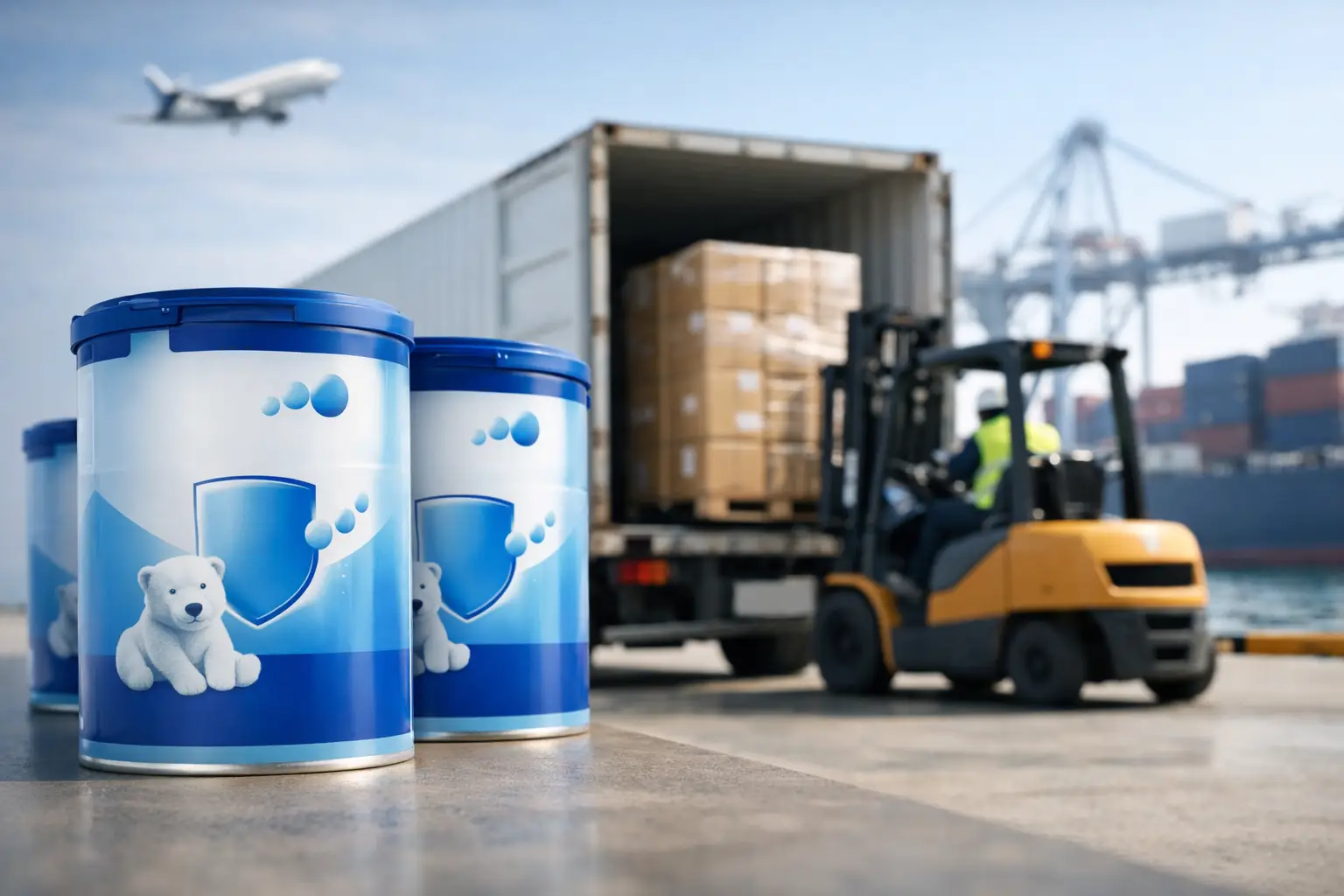
A missed delivery of infant formula is not simply an out-of-stock issue. For a pharmacy group, distributor or online retailer, it can mean lost customer confidence, disrupted replenishment plans and difficult conversations with buyers. Aptamil wholesale purchasing therefore needs to be managed as a controlled supply programme, not a one-off price exercise.
Aptamil is a recognised name across many international markets, with stage-based and specialist options that can support different retail and distribution requirements. The right wholesale arrangement combines commercially sensible pricing with verified product sourcing, clear batch information, export-ready packing and documents that match the shipment. When each part is planned before goods leave the warehouse, buyers can protect availability and reduce avoidable border delays.
What professional buyers need from Aptamil wholesale
The formula itself is only one part of the purchasing decision. Importers need confidence that the quoted products are genuine, correctly identified and available in quantities that suit their sales cycle. They also need a supplier that understands the practical difference between supplying a mixed pallet for a market test and building a repeat full-container programme for established demand.
For Aptamil wholesale, start with the exact SKU rather than the brand name alone. Confirm the formula stage, tin or pack format, language version, country-market specification, case configuration and minimum remaining shelf life. These details affect labelling reviews, warehouse handling, ecommerce listings and retail shelf planning. A Stage 1 infant formula, a follow-on formula and a toddler milk may all sit under the same brand, but they do not serve the same commercial purpose or regulatory route.
Specialist lines require additional care. Comfort, anti-reflux, lactose-free and other nutritional products may be in demand, but they should only be selected where local rules, product registration requirements and professional guidance allow their sale. Demand data matters more than broad assumptions. A fast-moving standard range with predictable reorders will often create a healthier supply programme than a wide assortment that remains in storage too long.
Build the order around actual turnover
Procurement teams should balance unit cost against stock exposure. Larger orders can improve freight efficiency and reduce the cost per case, yet they also tie up working capital and make shelf-life management more demanding. The best order size depends on forecast sales, warehouse capacity, lead times, customs processing and the reliability of onward distribution.
Pallet orders are useful for introducing selected Aptamil SKUs, serving a smaller customer base or combining products in a mixed load. Full-container shipments can be more economical for regular high-volume demand, provided the buyer can receive, clear and rotate the stock efficiently. Mixed loads are often the practical middle ground for distributors building a broader infant-nutrition portfolio.
Before requesting a quotation, prepare a concise buying brief that includes:
- Required Aptamil products, pack sizes, stages and preferred quantities
- Destination country, delivery point and preferred shipping terms
- Required remaining shelf life and any language or market-pack requirements
- Whether the order is a trial purchase, regular pallet programme or container shipment
- Documentation needed for customs clearance and local compliance checks
A clear brief reduces back-and-forth and makes price comparisons more meaningful. It also gives the supplier an opportunity to identify pack, availability or shipping constraints before the order is committed.
Traceability matters more than a low case price
A low quotation can look attractive until a buyer cannot obtain batch details, confirm provenance or match paperwork to the physical cargo. In infant nutrition, traceability is a core commercial safeguard. It supports internal quality procedures, retailer requirements, stock rotation and the ability to respond quickly if a market authority or customer requests product information.
Professional buyers should expect batch and date information to be handled carefully through the supply process. Carton markings, pallet identification and packing records should be consistent with the commercial documents provided for the shipment. This is particularly relevant where a consignment is split between multiple distribution locations after arrival.
Genuine sourcing is equally central. Established European sourcing channels help buyers access recognised branded products while avoiding the uncertainty of informal supply routes. For Baby Formula EU, the focus is on supplying genuine products with the commercial information international buyers need to plan with confidence. That confidence should be supported by practical checks, not vague assurances.
Ask how products are stored before dispatch, how cases are protected for export and how batch information is recorded. Formula is sensitive stock: damaged outer cases, poor pallet stability and unsuitable handling conditions can create claims, rejected deliveries or unnecessary waste. Export packing should protect the goods through warehouse handling, lorry collection, port operations and international transit.
Check suitability for the destination market
A product that is legitimate and correctly labelled for one European market may not automatically be ready for sale in another country. The importer remains responsible for understanding destination-market obligations, including labelling, registration, import permits, nutritional rules and any local requirements for infant formula. A dependable exporter can provide accurate commercial and product documentation, but it cannot replace the buyer’s local regulatory assessment.
This distinction helps prevent a common purchasing error: treating export paperwork as proof of retail compliance. A commercial invoice, packing list and certificate where applicable are essential for shipping and customs processes. They do not necessarily resolve every local requirement for marketing or selling the product after arrival.
When launching in a new market, consider beginning with a smaller, controlled order and completing all product and label reviews before scaling. When supplying an established market with proven demand, a scheduled replenishment plan may be the better option. The correct approach depends on the buyer’s sales history and compliance position.
Documentation and logistics should be planned together
Documentation accuracy has a direct effect on clearance time. Product descriptions, quantities, weights, consignee details and country information must align across the invoice, packing list and transport documents. Small inconsistencies can lead to questions at the border, storage charges and delivery delays that erase the savings achieved in the original negotiation.
Discuss documentation requirements early, particularly for destinations with formal import controls. Buyers should clarify which materials are required by their customs broker, port authority, bank or local regulator. Depending on the shipment and destination, this may include standard commercial documents, origin-related information, health or free-sale documentation where available and transport records.
Logistics planning should cover more than the freight booking. Confirm whether the agreed shipment is collected from the supplier, delivered to a port or arranged to the buyer’s nominated destination. Agree the pallet format, loading plan, temperature and storage expectations where relevant, insurance responsibilities and the point at which risk transfers. Clear terms protect both sides and make claims easier to assess if something goes wrong.
For container orders, loading quality deserves close attention. Cases should be stacked securely, pallets should be stable where palletised shipping is used, and container utilisation should be planned without compromising product protection. For pallet shipments, check the maximum dimensions and weight accepted by the receiving warehouse. A pallet that cannot be handled at destination can become an expensive operational problem.
Price transparency supports repeat supply
Wholesale pricing is rarely just a single number. The landed cost includes the product price, export packing, freight, insurance where selected, duties, taxes, customs brokerage and destination handling. Comparing offers fairly means comparing the same products, the same shelf-life expectation, the same order quantity and the same delivery basis.
Reducing unnecessary intermediary mark-ups can create better purchasing conditions, especially for repeat buyers. However, the cheapest source is not always the lowest-cost supply route. A delayed shipment, incomplete documents or unsuitable stock can cost far more than a modest difference in case price. Buyers should favour suppliers that can explain availability, pack formats and delivery assumptions plainly.
A sustainable relationship also benefits from forward planning. Share forecasts where possible, especially before periods of high retail demand or when stocking multiple markets. Forecasts do not need to be perfect to be useful. They help the supplier reserve appropriate inventory, plan mixed loads and advise on realistic lead times.
Make each order easier than the last
The first Aptamil wholesale order should establish a working process that becomes simpler with every repeat shipment. Keep a record of approved SKUs, pack specifications, preferred documents, label checks, freight contacts and agreed shelf-life standards. Review actual sales and delivery performance after each consignment, then adjust the next order before stock pressure develops.
Reliable formula supply is built through careful product selection, verified sourcing and disciplined export execution. Start with the products your market can sell confidently, specify the shipment clearly and leave enough time for documentation and clearance. That approach gives your customers a more dependable shelf, and gives your procurement team fewer surprises to manage.