Blog post

Mixed Pallet Baby Formula Orders Made Practical

mixed pallet baby formula orders

A full pallet of one SKU can look efficient on a freight calculation and still create a costly problem at destination. If your customers need Aptamil follow-on milk, HiPP Organic infant formula, lactose-free options and anti-reflux lines at the same time, buying only full single-SKU pallets can leave gaps on the shelf or too much slow-moving stock in the warehouse. Mixed pallet baby formula orders give professional buyers a more controlled way to build a saleable range without committing excessive capital to every product line.

For importers, pharmacy groups, retailers and trading companies, the purpose is not simply to buy smaller quantities. It is to balance demand, shelf availability, expiry management and transport cost within one export-ready shipment. That requires clear product selection, dependable sourcing and documentation that matches the goods actually loaded.

When mixed pallet baby formula orders make commercial sense

Mixed pallets are particularly useful when demand is spread across stages, brands or specialist nutrition needs. A retailer entering a new market may need enough core infant and follow-on formula to establish availability, alongside limited quantities of comfort, anti-reflux, goat-milk or organic products to test local demand. A distributor may already know its fast sellers but need to top up complementary lines before a container departs.

The commercial benefit is flexibility. Rather than carrying a full pallet of a product that sells slowly, the buyer can allocate pallet space according to actual turnover. This can protect working capital and reduce the likelihood of products approaching their best-before date while still giving customers meaningful choice.

That said, mixed pallets are not always the lowest-cost route per unit. Additional picking, handling and load planning can affect the quotation, while a fragmented range can complicate receiving and stock control. Where one SKU has stable, high-volume demand, a single-product pallet may remain the better decision. The strongest purchasing plan often combines both: full pallets for proven core lines and mixed pallets for supporting or specialist items.

Start with demand, not the catalogue

A broad catalogue is valuable only when it supports a practical sales plan. Before requesting a mixed pallet quotation, buyers should identify the intended route to market, required formula stages and expected monthly movement. Formula formats, pack sizes and language presentation can all influence what will sell through efficiently in a particular market.

For example, an e-commerce retailer may require a wider brand selection but shallower quantity per SKU. A supermarket buyer may prioritise familiar flagship lines and consistent shelf replenishment. An importer supplying pharmacies may place greater emphasis on specialist formulas, where availability matters but demand is less predictable.

A useful starting point is to divide the order into three groups: high-turnover core products, supporting variants and specialist lines. Core products should receive the largest allocation. Supporting variants can provide range depth without dominating the pallet. Specialist products should be matched carefully to verified customer demand, particularly where they are used for specific dietary requirements.

Avoid building an order around low prices alone. A discounted product with limited local recognition, unsuitable pack format or short remaining shelf life can cost more than it saves. Wholesale buying works best when price, product suitability and stock rotation are considered together.

Build a pallet that arrives ready for distribution

The pallet plan should be designed for the complete journey, not only for collection from the supplier. Infant nutrition is a sensitive category, and buyers need confidence that cartons, labels and pallets will remain identifiable and presentable through handling, export transit, customs inspection and local warehousing.

Provide clear requirements at quotation stage, including the destination country, preferred brands, stage numbers, pack sizes, quantity by SKU and any market-specific labelling or documentation needs. If the shipment is intended for onward distribution, it is sensible to ask how pallets will be configured, protected and marked for receiving.

In practice, a well-prepared mixed pallet order should confirm:

  • product description, brand, stage, format and quantity for every SKU;
  • batch and best-before information available for the supplied stock;
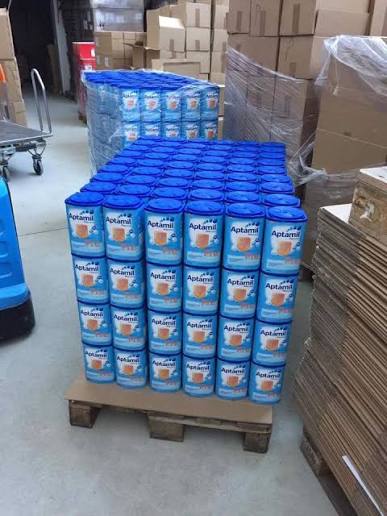
  • pallet dimensions, gross weight and total carton count;
  • export packing arrangement and protection appropriate to the transport method;
  • commercial invoice, packing list and other agreed customs-support documents.

These points are not administrative extras. They help receiving teams reconcile stock quickly and help importers avoid disputes over what was ordered, loaded and declared. Accurate paperwork also supports more efficient customs clearance, especially when goods are travelling across several jurisdictions before reaching the final buyer.

Protect traceability from purchase order to destination

Traceability is central to responsible formula procurement. Buyers should be able to connect each product line in the shipment to the relevant batch information and documentation, then maintain that record through local storage and distribution. This matters for quality assurance, stock rotation and any issue that requires a targeted response.

Ask suppliers how they manage batch identification and whether the batch details can be provided in a usable format before or alongside dispatch. The answer should be practical rather than vague. Your warehouse team needs information it can check against physical cartons, not a general statement that products are genuine.

Genuine branded products sourced through established European supply channels also reduce commercial risk. Counterfeit or poorly handled formula can damage consumer trust, retailer relationships and regulatory standing in a single shipment. For this reason, the sourcing route should carry as much weight as the unit price.

Baby Formula EU supports wholesale buyers with recognised formula brands, batch traceability and export-ready documentation so that product procurement and shipping can be planned as one process rather than two separate tasks.

Manage shelf life as a buying decision

Shelf life should be reviewed SKU by SKU, not only at pallet level. Core formula usually moves faster, while specialised products may take longer to reach the end customer. A mixed pallet can improve inventory control, but only when quantities reflect realistic demand and the remaining shelf life supports the intended selling period.

Consider the time needed for collection, international transit, customs processing, receiving, local distribution and retail sale. Sea freight may offer a better landed cost for larger consignments, but it also consumes more time than air freight. For urgent replenishment or a market trial, a smaller shipment with faster transit can sometimes be commercially sound despite a higher freight rate.

Buyers should also apply their own minimum shelf-life policy before confirming an order. There is no universal figure that suits every destination. It depends on transport time, local registration requirements, warehouse turnover and the channel through which the products will be sold. Agreeing this point in advance prevents avoidable surprises after arrival.

Coordinate logistics before the goods are picked

Mixed orders require more coordination than identical full pallets. The supplier must pick several SKUs accurately, consolidate them securely and create paperwork that reflects the final load. The buyer, meanwhile, needs to ensure the consignee details, import requirements and delivery plan are settled early enough to avoid storage charges or clearance delays.

For road freight within Europe, pallet stability and appointment timing may be the main concerns. For air freight, chargeable weight and carton configuration can materially affect cost. For sea shipments, the buyer should look at container utilisation, moisture protection, transit time and whether the mixed pallets will be loaded with other goods. Each method has a place, and the right choice depends on volume, urgency and destination conditions.

It is also worth planning receiving procedures before dispatch. Warehouse teams should know whether mixed pallets need to be broken down on arrival, how batches will be recorded and which products are allocated to immediate distribution. A clean handover at destination is often what turns a flexible purchase into reliable availability for customers.

A smarter way to scale the next order

The first mixed pallet should create useful sales data, not just fill a temporary supply gap. Track sell-through by brand, stage and speciality type. Note which products generate repeat orders, which require more marketing support and which consistently move too slowly for the quantity purchased.

Over time, this information makes the next order more efficient. Fast-moving lines can move to full-pallet quantities, while less predictable products remain in mixed allocations. Buyers can also refine shipments by market, supplying one retail channel with mainstream formula and another with specialist products better suited to its customer base.

A carefully planned mixed pallet is not a compromise between range and control. It is a procurement tool for buyers who want recognised products available when customers need them, without allowing stock risk to grow unnoticed. Start with the demand you can support, define the documentation and shelf-life expectations clearly, and let each completed shipment improve the accuracy of the next one.


Blog post, Uncategorized

How to Choose an Original Baby Formula Distributor

How to Choose an Original Baby Formula Distributor

A delayed pallet of infant formula is not simply an inconvenient delivery. For an importer, pharmacy group or online retailer, it can mean empty shelves, missed sales, frustrated customers and difficult questions from regulators. Choosing an original baby formula distributor is therefore a supply-chain decision, not just a price comparison.

Professional buyers need a partner that can source recognised brands consistently, demonstrate product traceability and prepare shipments properly for the destination market. The right distributor helps protect availability from the first quotation through to customs clearance and delivery.

What “original” should mean in wholesale formula supply

In infant nutrition, original means more than a familiar tin design or a low wholesale offer. Buyers should expect genuine branded products sourced through established channels, with clear batch information, intact packaging and a documented path from supply to export.

This matters because formula is a highly sensitive category. A product can be genuine yet still be unsuitable for a particular market if its labelling, language, stage format or import documentation does not meet local requirements. Likewise, a low-priced consignment can become expensive very quickly if batch data cannot be verified or customs paperwork is incomplete.

An experienced supplier should be comfortable discussing brand, product stage, pack size, country of origin, shelf-life expectations, available volumes and shipment configuration before an order is confirmed. Vague answers at this stage are a warning sign, particularly when the order is intended for long-term retail supply.

Start with the buying requirement, not the catalogue

A broad catalogue is valuable, but it should follow a clear procurement brief. Before requesting a quotation, define the brands and formats your market can sell, the expected monthly volume, preferred shelf-life window, destination port or airport, and whether you need pallets, mixed loads or full containers.

For example, a supermarket buyer may need regular full-pallet supply of Aptamil or Cow & Gate in retail-ready cases. An e-commerce retailer may require a mixed load across standard, comfort, anti-reflux and lactose-free lines. A specialist importer could be sourcing organic, goat-milk or premature formula for a defined customer base. These requirements affect stock allocation, packing, documentation and transport planning.

The same principle applies to formula stages. Infant, follow-on and toddler formulas should never be treated as interchangeable stock. Product names, recommended ages and nutritional positioning vary by brand and market. A distributor should help the buyer specify the correct SKU rather than substitute a similar-looking product without approval.

Assess the original baby formula distributor’s sourcing controls

The most useful due-diligence questions are practical. Ask how products are sourced, how batches are recorded, what checks are made before dispatch and whether product images, labels or batch details can be shared as part of the pre-shipment process.

A dependable distributor will recognise why this information matters. Batch traceability supports stock rotation, customer service and any internal quality procedure your business must follow. It also allows buyers to match received goods against commercial documents and investigate an issue quickly if one arises.

Packaging deserves equal attention. Original products should arrive in sound, saleable condition, with outer cases suitable for transit and clear handling arrangements for palletised or containerised freight. Where export journeys are long or involve multiple handling points, export-ready packing is not an extra. It is part of protecting the product and your margin.

Be cautious of offers that focus only on a headline unit price. Formula procurement has a total landed cost: product price, case configuration, pallet build, transport, insurance where required, customs procedures, duties and the financial effect of damaged or delayed stock. A transparent supplier helps buyers see the commercial picture early.

Documentation is part of the product

For international formula trade, paperwork cannot be left until the lorry is booked. Commercial invoices, packing lists, transport documents, product and batch information, certificates where applicable, and customs-support materials all need to align with the shipment.

Exact requirements depend on the destination market, product category and import route. The importer remains responsible for confirming local registration, labelling, food-safety and import rules, particularly for regulated markets such as the United States. However, the distributor should provide accurate commercial documentation and cooperate promptly with reasonable document requests.original baby formula distributor

This is where repeat relationships have real value. A supplier that understands your usual shipping lanes, consignee details and document format can reduce avoidable corrections. That does not remove the need for compliance checks, but it makes the process more predictable when stock is moving at wholesale scale.

Questions worth asking before placing an order

Before committing to a new supplier, establish whether they can confirm the following:

  • available quantity by SKU, including whether the offer is spot stock or repeat supply;
  • batch and shelf-life details suitable for your sales cycle;
  • outer-case dimensions, weights, pallet quantities and loading plans;
  • export packing and temperature or handling considerations where relevant;
  • commercial and customs-support documents supplied with the shipment; and
  • the agreed Incoterms, lead time, collection point and responsibility for freight coordination.

Clear answers are more valuable than broad assurances. They give your procurement, logistics and compliance teams the information needed to approve an order with confidence.

Match ordering scale to your inventory plan

Wholesale formula supply works best when the order size reflects demand rather than the appeal of a temporary deal. A mixed pallet can be sensible for product testing, a new retail launch or a specialist range with uneven demand. Full pallets support better handling efficiency for established lines. Full-container orders may improve unit economics for high-volume importers, but only when warehouse capacity, shelf-life management and sell-through are properly planned.

Buyers should also consider whether a distributor can support a sensible blend of core and specialist stock. Core products may drive regular volume, while anti-reflux, comfort, lactose-free, organic or goat-milk formulas can differentiate a retail range. The trade-off is that specialist SKUs may turn more slowly, so they require disciplined forecasting.

A good supplier does not need to promise that every product will always be available. Supply conditions change, and recognised formula brands can experience allocation pressure. What matters is honest communication about availability, alternatives and lead times, allowing the buyer to make decisions before a stock gap becomes urgent.

Look for logistics coordination, not just dispatch

A formula distributor may not operate the vessel, airline or final-mile network, but it should still coordinate the export side of the shipment professionally. This includes confirming collection readiness, checking pallet counts and weights, preparing documents on time and communicating clearly with the buyer or nominated freight forwarder.

For cross-border shipments, small discrepancies can create disproportionate delays. A mismatch between the invoice, packing list and freight booking can hold goods at a border. Incorrect consignee information can slow clearance. Poorly protected pallets can arrive with damaged retail packaging. These are operational details, but they directly affect customer availability and landed cost.original baby formula distributor

At Baby Formula EU, wholesale supply is built around European sourcing, recognised branded formula, batch traceability, export-ready packing and support for professional buyers arranging international shipments. This approach is designed for importers and retailers who need practical information before goods leave the warehouse, not after they reach the destination.

Build the relationship around repeatability

The first order shows whether a supplier can fulfil a shipment. The next orders show whether they can support a business. For recurring formula programmes, buyers should agree a communication routine covering forecasts, stock updates, replacement options, shipment milestones and documentation requirements.

Price remains important, especially where retail competition is strong. Yet the cheapest quote is not automatically the best commercial outcome. A modest price difference can be outweighed by stronger batch visibility, more accurate documents, better case packing and a supplier who responds quickly when plans change.

The most reliable original baby formula distributor is one that treats your order as part of a continuing supply programme. When product authenticity, traceability, export execution and commercial clarity are handled together, your team can spend less time resolving preventable issues and more time keeping the right formula available for the customers who depend on it.

Blog post

Choosing a German Aptamil Exporter for Trade

Choosing a German Aptamil Exporter for Trade

A missing Aptamil line on a retail shelf is rarely caused by one isolated problem. It can begin with an unclear source, a short-dated batch, incomplete paperwork or freight that was not planned around the destination market. For importers and wholesale buyers, choosing a German Aptamil exporter is therefore a supply decision, not simply a price comparison. The right partner helps protect availability, product confidence and the continuity of your customer relationships.

German Aptamil is a recognised product range for buyers seeking established European infant nutrition brands. However, each market has its own import conditions, language requirements, labelling expectations and commercial realities. Reliable export starts with genuine stock and ends only when the shipment arrives with the documents and packing needed for an efficient handover.

What a German Aptamil Exporter Should Deliver

A professional exporter should be able to explain where stock is sourced, what is available now and how the order will move from warehouse to destination. Broad statements about availability are not enough for a buyer planning supermarket, pharmacy or e-commerce supply. You need clear information that can support purchasing, stock planning and customs preparation.

This begins with product identity. Aptamil ranges can differ by country, stage, format and formulation. A Stage 1 infant milk, follow-on formula, toddler milk or specialised product must be specified precisely before a quotation is accepted. The buyer and supplier should agree the exact product name, pack size, language presentation, quantity, batch details where available and remaining shelf life expectations.

Authenticity is equally central. Infant formula is a sensitive category, and a low offer without a credible sourcing explanation creates commercial risk. Established European supply channels, traceable batches and controlled warehouse handling provide a stronger basis for trade than opportunistic buying. They also make it easier to address questions from retail partners, regulatory teams and customers after delivery.

Availability Must Be Managed, Not Assumed

Demand for well-known formula brands can shift quickly due to local shortages, promotions, seasonal purchasing or changes in consumer preference. A supplier may have stock one week and face allocation pressure the next. For this reason, regular buyers benefit from sharing a forward demand plan rather than placing every order as an urgent spot purchase.

Forecasting does not need to be perfect to be useful. A rolling estimate of monthly requirements, preferred product mix and target delivery windows allows an exporter to advise on practical order timing. It can also help buyers decide whether to build reserve stock, use mixed pallets for a broader assortment or place a full-container order for a faster-moving core range.

Product Checks Before You Place a Wholesale Order

Price matters, particularly where retail competition is intense, but the lowest unit cost is not automatically the best landed value. A price only becomes meaningful once the buyer understands the product specification, available shelf life, packing configuration, transport route and documentation included with the shipment.

Before confirming an order, buyers should verify four commercial points:

  • The exact Aptamil SKU, stage, pack format and market-specific presentation required.
  • The available quantity, minimum order level and whether mixed pallets or mixed loads are possible.
  • Remaining shelf life and batch traceability information suitable for the intended sales channel.
  • The agreed price basis, packing method, shipping plan and documents supplied for export.

These checks prevent avoidable disputes later. They are especially valuable where an importer supplies multiple retail formats. A pharmacy chain may require a different assortment and replenishment cycle from an online retailer, while a supermarket group may need palletised delivery planned around a distribution-centre booking.

Shelf Life Is a Commercial Planning Issue

Shelf life should be discussed in relation to the full route, not merely the day goods leave the warehouse. Consider collection time, port handling, sea or air transit, customs clearance, inland delivery and your own distribution window. A batch that appears acceptable at dispatch can become difficult to sell if the destination process is slow.

The appropriate minimum shelf life depends on the channel and turnover rate. Fast-moving wholesale stock may support one approach, while stock intended for regional distribution or a longer e-commerce fulfilment cycle may require a greater margin. Clear agreement at quotation stage gives both parties a fair and workable standard.

Documentation That Supports Customs Clearance

Export paperwork is not an administrative extra. Missing or inaccurate documents can hold stock at the border, create unexpected costs and interrupt delivery commitments. An experienced exporter should prepare the commercial information required for the agreed shipment and coordinate with the relevant freight process.

The exact documentation depends on the destination, product type, Incoterms and the importer’s requirements. Commercial invoices, packing lists, transport documents and customs-support materials are commonly required. Buyers should also confirm any country-specific import registrations, food-safety notifications, labelling rules, certificates or prior approvals before goods are loaded.

Responsibility needs to be clear. The exporter can support accurate commercial documents and provide product information available through its supply chain, but the importer remains responsible for meeting the rules that apply in its destination market. This is particularly relevant for buyers serving the United States or other regulated markets, where formula import and sale requirements may differ from the European market presentation.

A good working process is to review the document checklist before the first shipment, not after cargo has been collected. Once the trade lane is established, the same process can be repeated more efficiently for subsequent orders.

Logistics for Pallets, Mixed Loads and Containers

Formula needs export-ready packing that protects cartons throughout handling and transport. This includes stable pallet preparation, suitable outer protection and clear shipment information. The right logistics arrangement depends on volume, urgency, destination and the buyer’s ability to receive freight.

Pallet orders can suit buyers testing a range, replenishing selected lines or supplying a specialist channel. Mixed loads offer flexibility where several Aptamil stages or complementary brands are needed in one purchase. Full-container shipments may improve freight efficiency for larger programmes with dependable demand, although they require stronger inventory planning and warehouse capacity at destination.German Aptamil exporter

Air freight can be appropriate when speed is critical, but it normally carries a higher cost and may not be the sensible answer for routine replenishment. Sea freight offers better economics for substantial orders but demands more lead-time planning. There is no universal best method. The practical choice is the one that balances landed cost, shelf-life protection, urgency and storage capability.

Buyers should also establish the handover point in advance. Confirm who arranges collection, who manages freight booking, where risk transfers and which party is responsible for destination customs clearance. Clear terms reduce the chance that a shipment becomes delayed because each side assumed the other was handling a key step.

Building a Repeatable Aptamil Supply Programme

The strongest exporter relationship is built around repeatable execution. A first order may begin with a mixed pallet or trial shipment, but long-term value comes from consistent specifications, predictable ordering cycles and open communication when availability changes.

For procurement teams, this means maintaining a current product list, reviewing sales velocity and separating essential lines from optional assortment. For the exporter, it means giving realistic availability updates, identifying practical alternatives when a line is constrained and keeping commercial documentation accurate. Neither party benefits from promising stock or delivery dates that cannot be supported.

Baby Formula EU works with professional buyers seeking European-sourced branded formula, including Aptamil, on pallet, mixed-load and container-scale orders. The focus is straightforward: genuine products, practical export documentation, traceability support and logistics coordination that help international buyers purchase with greater confidence.German Aptamil exporter

A dependable German Aptamil exporter should make complex trade feel manageable without treating it casually. When product details, shelf life, paperwork and transport are agreed before payment and collection, buyers can spend less time resolving avoidable issues and more time keeping the right stock available for the customers who rely on them.

Blog post

Kendamil Supermarket Stockist

Kendamil Supermarket Stockist

Kendamil Supermarket Stockist: Wholesale Supply, Distribution & Retail Replenishment

Finding a reliable Kendamil supermarket stockist can help importers maintain consistent shelf availability and support long-term retail growth. However, successful sourcing requires more than competitive pricing. Importers also need dependable supply, traceability, compliant documentation, secure logistics, and predictable replenishment.

Therefore, supermarkets, pharmacies, grocery chains, independent retailers, and baby-product distributors need a structured wholesale supply partner. This guide explains the key factors to consider when sourcing Kendamil products for retail distribution across the UK, Germany, Europe, Australia, Ireland, the Middle East, Southeast Asia, and international markets.

Kendamil Wholesale Supply for Supermarkets and Retailers

Retailers need dependable access to products that match their customers’ demand. Consequently, a professional wholesale program should support regular orders, pallet quantities, mixed product requirements, and scheduled replenishment.

A suitable Kendamil supplier UK can support supermarkets and retailers with organized purchasing and export logistics. Similarly, importers seeking a Kendamil supplier Germany need efficient documentation and distribution planning.

Moreover, European buyers may require a Kendamil wholesale Europe solution that supports different retail channels. These channels can include supermarkets, pharmacies, grocery stores, specialist baby retailers, and independent stores.

For international buyers, supplier selection should focus on documented sourcing, product authenticity, packaging integrity, and reliable fulfillment.

How a Kendamil Supermarket Stockist Supports Retail Replenishment

A reliable Kendamil supermarket stockist should understand the importance of inventory continuity. Stockouts can reduce sales and create unnecessary pressure on retail purchasing teams.

Therefore, wholesalers should plan supply around forecasted demand and agreed delivery schedules. Regular replenishment also helps retailers maintain consistent shelf presence.

A professional supply arrangement can support:

  • Bulk wholesale orders
  • Pallet-based purchasing
  • Retail replenishment programs
  • Supermarket distribution
  • Pharmacy wholesale supply
  • Independent retailer purchasing
  • Grocery wholesale distribution
  • International export orders
  • Scheduled repeat purchasing

Furthermore, importers can establish purchasing cycles based on sales performance and inventory levels.

Kendamil Bulk Supplier Europe for Commercial Buyers

Large retailers often require greater purchasing volumes than independent stores. As a result, a Kendamil bulk supplier Europe can provide a more practical sourcing structure for commercial buyers.

Bulk purchasing can simplify procurement and reduce the frequency of individual shipments. However, buyers should confirm carton configuration, pallet quantities, product variants, batch information, and available shelf life before ordering.

Additionally, a strong Kendamil retail wholesale supplier should provide clear commercial documentation. This approach allows purchasing departments to verify quantities and coordinate warehouse operations.

For larger orders, buyers should also establish delivery terms, lead times, payment arrangements, and required export documents before production or dispatch.

Kendamil Distributor UK and International Retail Distribution

A professional Kendamil distributor UK should understand both domestic retail requirements and international export procedures. International buyers may need additional documentation depending on their destination market.

For example, exporters may need commercial invoices, packing lists, certificates of origin, health-related documentation, product specifications, and customs information.

Likewise, a Kendamil retail distributor Germany needs to coordinate transportation and customs requirements carefully. German importers should also verify local regulatory requirements before placing commercial orders.

Beyond Europe, buyers in Australia, Ireland, the Middle East, and Southeast Asia should assess destination-specific import rules.

Therefore, a reliable distribution partner should help buyers prepare the documentation required for efficient international shipments.

Pharmacy, Grocery and Supermarket Wholesale Supply

Kendamil products can serve multiple retail channels. These include supermarkets, pharmacies, grocery stores, specialist baby retailers, and independent shops.

A Kendamil pharmacy wholesale UK program should therefore prioritize accurate product information and dependable replenishment. Similarly, a Kendamil grocery wholesale supplier should provide purchasing options that match retail demand.

Independent retailers may prefer smaller recurring orders. In contrast, supermarket groups may require pallet-based supply and scheduled deliveries.

Consequently, suppliers should offer flexible commercial arrangements without compromising product traceability or documentation.

Quality, Traceability and European Standards

Quality assurance remains essential when importing infant nutrition products. Buyers should establish clear procedures for verifying product authenticity, batch information, packaging, and documentation.

Furthermore, traceability allows businesses to connect products with specific batches and supply records. This information supports better inventory management and responsible distribution.

European food and product regulations also place significant importance on compliance. Therefore, buyers should verify that products and documentation meet the requirements applicable to their intended market.

Packaging deserves equal attention. Retail cartons and tins should arrive intact, correctly labeled, and suitable for commercial sale.

A professional Kendamil baby formula retail supplier should also maintain clear records throughout the supply chain.

Sustainability and Responsible Supply Chain Management

Sustainability increasingly influences procurement decisions across European and international retail markets.

Therefore, importers should evaluate logistics efficiency, packaging practices, transportation planning, and supplier transparency.

Consolidating orders into efficient pallet shipments can help businesses organize transportation more effectively. In addition, accurate forecasting can reduce unnecessary emergency shipments.

Traceability also supports responsible procurement because buyers can better understand their supply chain.

However, sustainability claims should always rely on verifiable supplier information rather than unsupported marketing statements.

Packaging, Pallets and Commercial Replenishment

Retail buyers should confirm packaging details before placing wholesale orders. Important information includes units per carton, cartons per pallet, pallet dimensions, gross weight, and container capacity.

For example, a supermarket purchasing team may calculate expected sales against available pallet quantities. This helps determine how frequently the business should reorder.

Likewise, a Kendamil retail stock replenishment strategy should consider:

  • Average weekly sales
  • Existing warehouse inventory
  • Expected delivery time
  • Seasonal demand
  • Minimum stock levels
  • Promotional activity
  • Pallet configuration
  • Import clearance time

Consequently, retailers can create a more predictable purchasing cycle.

Why Choose a Professional Kendamil Supermarket Supplier?

A dependable Kendamil supermarket supplier should combine commercial reliability with supply-chain transparency.

Importers should look for:

  1. Authentic products from verifiable supply channels.
  2. Clear product and batch documentation.
  3. Transparent commercial quotations.
  4. Reliable pallet and carton information.
  5. Export documentation support.
  6. Consistent communication.
  7. Secure international logistics.
  8. Retail-focused replenishment planning.

Moreover, buyers should confirm supplier capabilities before committing to large orders.

Kendamil Wholesale Distribution Germany and Worldwide

Germany remains an important European market for imported infant nutrition products. Therefore, businesses seeking Kendamil wholesale distribution Europe should prepare their purchasing and logistics requirements carefully.

Internationally, a Kendamil wholesale supplier worldwide should understand the differences between destination markets. Import requirements, labeling rules, customs procedures, and documentation can vary considerably.

For this reason, international buyers should provide their exact destination before requesting a commercial quotation.

This allows the supplier to evaluate appropriate shipping terms, documentation, and delivery arrangements.

FAQs

What does a Kendamil supermarket stockist do?

A Kendamil supermarket stockist supplies Kendamil products for retail sale and helps retailers maintain inventory through wholesale purchasing and replenishment.

Can supermarkets buy Kendamil in bulk?

Yes. Commercial buyers can explore bulk purchasing options based on available products, carton quantities, pallets, and supplier requirements.

Can pharmacies purchase Kendamil wholesale?

Pharmacies can seek wholesale supply through appropriate commercial distribution channels. However, buyers should verify product availability and applicable market requirements.

Can Kendamil products be exported internationally?

International export depends on product availability, destination regulations, documentation, and applicable import requirements. Buyers should confirm these factors before ordering.

What documents should a baby formula importer request?

Importers should typically request relevant commercial, product, origin, quality, and export documentation. Requirements can vary by destination.

Conclusion

Choosing the right Kendamil supermarket stockist can strengthen retail supply, improve replenishment planning, and support sustainable commercial growth. However, successful importing requires more than purchasing products at wholesale prices.

Buyers should evaluate traceability, packaging, documentation, logistics, pallet planning, product quality, and regulatory requirements.

Whether you operate a supermarket, pharmacy, grocery business, independent retail store, or international distribution company, a structured wholesale supply program can provide greater purchasing efficiency.

For serious importers, the next step is to confirm the required products, quantities, destination country, pallet requirements, and delivery terms. This creates a clear foundation for professional Kendamil wholesale distribution and long-term retail supply.

Blog post

Aptamil direct supplier

Aptamil direct supplier

Aptamil Direct Supplier: Wholesale, Bulk, Pallet and Global Retail Supply

Finding a reliable Aptamil direct supplier can help importers simplify purchasing, control inventory, and maintain consistent retail availability. Supermarkets, pharmacies, wholesalers, and distributors need dependable commercial supply.

Moreover, international buyers require accurate product information, transparent documentation, suitable packaging, and efficient logistics. Therefore, a professional sourcing strategy should focus on both supply reliability and destination requirements.

This guide targets buyers in Germany, the UK, Ireland, Australia, the Middle East, Southeast Asia, and worldwide markets.

Why Choose an Aptamil Direct Supplier?

Direct sourcing can create a clearer purchasing process. However, buyers should verify the supplier’s commercial relationship before placing substantial orders.

A reliable Aptamil direct supplier should provide clear product details and commercial information. Buyers should also confirm whether the supplier operates as a manufacturer, distributor, wholesaler, or authorized trade partner.

Before ordering, professional buyers should verify:

  • Product name and variant
  • Intended market
  • Country of origin
  • Batch information
  • Expiry details
  • Packaging format
  • Carton configuration
  • Pallet quantities
  • Minimum order quantity
  • Lead time
  • Export documentation
  • Storage requirements

Furthermore, product specifications can vary between markets. Therefore, importers should confirm labels, formulations, packaging, and regulatory requirements before purchasing.

This approach helps retailers avoid confusion and supports more efficient international procurement.

Aptamil Supplier UK and Germany for Commercial Buyers

Businesses searching for an Aptamil supplier UK often require recurring wholesale supply. Similarly, an Aptamil supplier Germany may need to support supermarket, pharmacy, and distribution networks.

However, buyers should verify the market designation of every product. Aptamil products may have different labels and specifications across markets.

For European buyers, Aptamil wholesale Europe can support multiple commercial channels. These include supermarkets, pharmacies, grocery stores, independent retailers, and regional distributors.

Additionally, businesses researching an Aptamil manufacturer Europe should check supplier credentials and documentation carefully.

German retailers can also search for an Aptamil supermarket supplier Germany that understands local wholesale requirements.

Meanwhile, an Aptamil distributor UK can support retailers that need reliable stock availability and planned deliveries.

Aptamil Pharmacy Wholesale UK and Retail Supply

Pharmacies often require consistent product availability. Therefore, Aptamil pharmacy wholesale UK purchasing should include clear product information and appropriate documentation.

Likewise, supermarkets need dependable wholesale supply for fast-moving products.

A professional supply partner can support:

  • Pharmacy wholesale
  • Supermarket supply
  • Grocery distribution
  • Independent retail
  • Regional distribution
  • Bulk trade orders
  • Pallet shipments
  • Retail replenishment

Moreover, buyers should confirm carton and pallet configurations before placing large orders.

Accurate packing information helps purchasing teams estimate warehouse space and transportation requirements.

For independent retailers, flexible quantities can also support demand-based purchasing.

Aptamil Bulk Supplier Europe for Pallet Purchasing

Large importers often search for an Aptamil bulk supplier Europe that can support pallet-level purchasing.

Bulk procurement can simplify logistics when demand remains predictable. However, retailers should calculate storage capacity and expected sales before ordering.

A professional bulk purchasing process should clarify:

  1. Available product variants.
  2. Units per carton.
  3. Cartons per pallet.
  4. Minimum order quantity.
  5. Product availability.
  6. Lead time.
  7. Shipping terms.
  8. Destination requirements.

Consequently, buyers can calculate purchasing requirements more accurately.

An Aptamil wholesale supplier worldwide should also understand international export processes. However, importers must verify local import requirements before shipping.

Aptamil Supermarket Supplier and Retail Wholesale

Supermarkets require reliable inventory because stock shortages can affect sales. Therefore, an Aptamil supermarket supplier should support predictable wholesale purchasing.

Likewise, baby formula supermarket wholesale requires good stock rotation and demand planning.

A suitable wholesale partner can support supermarkets with regular orders and replenishment schedules.

Furthermore, an Aptamil retail wholesale supplier can serve supermarket chains, pharmacies, grocery businesses, and independent retailers.

Retailers should monitor sales and inventory levels consistently. Then, they can place replenishment orders before stock reaches critical levels.

This strategy supports more efficient inventory control and reduces unnecessary emergency purchasing.

Aptamil Direct Supplier for Supermarket Replenishment

How an Aptamil Direct Supplier Supports Retail Replenishment

An Aptamil direct supplier can support organized purchasing for retailers with recurring demand.

However, effective replenishment requires accurate forecasting. Retailers should monitor sales, current stock, expected demand, and supplier lead times.

A practical process includes:

  • Review weekly sales
  • Check warehouse inventory
  • Forecast upcoming demand
  • Confirm supplier availability
  • Calculate order quantities
  • Schedule delivery
  • Inspect incoming shipments
  • Update stock records

Consequently, Aptamil supermarket replenishment becomes easier to manage.

Similarly, Aptamil retail stock replenishment can support retailers operating multiple locations.

Aptamil Retail Distributor Germany and European Distribution

Germany represents an important European market for professional retail distribution.

Therefore, companies searching for an Aptamil retail distributor Germany should evaluate documentation, logistics, product designation, and distribution capability.

An Aptamil wholesale distribution Germany strategy should consider warehouse location, transport routes, delivery schedules, and retailer demand.

Similarly, an Aptamil formula retail distributor can support regional supermarket networks and independent stores.

However, importers should confirm applicable German and European requirements before commercial distribution.

Regulations can differ between Germany, the UK, Ireland, Australia, and international destinations.

Traceability, Certifications and European Standards

Traceability supports responsible product management. Therefore, buyers should maintain accurate records for batches, shipments, invoices, and product documentation.

Additionally, certifications can provide useful evidence of quality systems and compliance. However, certification availability depends on the product and destination.

Packaging also matters during international distribution. Proper packaging helps protect products during storage and transportation.

Therefore, buyers should review carton specifications, labels, seals, pallet configuration, and handling requirements.

Cold-chain requirements depend on the individual product. Importers should always follow the manufacturer’s storage instructions.

Sustainability also matters in modern procurement. Buyers can evaluate packaging efficiency, pallet utilization, transportation planning, and responsible logistics.

European standards provide another important consideration. Importers should verify applicable food safety, labeling, customs, and market requirements.

Aptamil Baby Formula Importer and Export Documentation

An Aptamil baby formula importer needs suitable documentation before international shipment.

Depending on the destination, documents may include:

  • Commercial invoice
  • Packing list
  • Certificate of Origin
  • Product specifications
  • Certificate of Analysis, where applicable
  • Health or Free Sale documentation, where applicable
  • Export documentation
  • Insurance documentation
  • Product label information

However, requirements vary between countries. Therefore, importers should consult customs brokers and relevant authorities.

This process becomes especially important for buyers serving Australia, Germany, the UK, Ireland, Middle Eastern markets, and Southeast Asia.

Product Quality, Packaging and Supply Chain Control

Professional buyers should evaluate product quality throughout the supply chain.

They should also inspect packaging when shipments arrive. Damaged cartons can create avoidable warehouse and retail problems.

Although COD quality often applies to seafood procurement, baby formula requires different quality controls. Therefore, buyers should follow applicable food safety requirements and manufacturer specifications.

Furthermore, warehouses should follow stated storage conditions. Proper stock rotation can also support inventory management.

A transparent supply chain gives buyers better control over purchasing decisions. Consequently, retailers can build stronger relationships with wholesale partners.

Frequently Asked Questions

What is an Aptamil direct supplier?

An Aptamil direct supplier provides commercial sourcing access through a manufacturer, distributor, wholesaler, or authorized supply channel. Buyers should verify the supplier’s status.

Can supermarkets purchase Aptamil in bulk?

Yes. Professional supermarkets can purchase through suitable wholesale channels. However, minimum quantities and pallet configurations vary.

Can pharmacies buy Aptamil wholesale?

Yes. Pharmacies can source through appropriate wholesale suppliers. They should verify product compliance and documentation first.

What should buyers check before ordering Aptamil?

Buyers should check product authenticity, market designation, batch details, expiry information, packaging, documentation, pricing, quantities, and delivery terms.

How does Aptamil retail replenishment work?

Retailers monitor sales and inventory, forecast demand, confirm availability, and reorder before existing stock becomes insufficient.

Can Aptamil suppliers export worldwide?

Some commercial suppliers support international markets. However, importers must verify destination-specific customs, food safety, labeling, and documentation requirements.

Conclusion

A dependable Aptamil direct supplier can help importers, supermarkets, pharmacies, wholesalers, and distributors manage commercial purchasing more efficiently.

However, direct sourcing requires careful verification. Buyers should evaluate supplier credentials, product authenticity, traceability, packaging, documentation, storage requirements, and logistics.

For Germany, the UK, Ireland, Australia, the Middle East, Southeast Asia, and other markets, importers should confirm destination-specific requirements before shipment.

Therefore, request quotations using exact product details, quantities, pallet requirements, destination, delivery terms, and documentation needs.

With a structured procurement strategy, businesses can improve wholesale purchasing, strengthen replenishment planning, and develop dependable international supply networks.

Blog post

Aptamil Supermarket Supplier

Aptamil Supermarket Supplier

Aptamil Supermarket Supplier: Wholesale, Bulk and Retail Distribution

Finding a dependable Aptamil supermarket supplier helps retailers maintain product availability and manage recurring wholesale orders. Supermarkets, pharmacies, importers, and distributors need more than competitive prices.

They also need reliable supply, authentic products, clear documentation, suitable packaging, and predictable logistics. Therefore, choosing the right commercial supply partner can strengthen purchasing and replenishment operations.

This guide targets professional buyers across Germany, the UK, Ireland, Australia, the Middle East, Southeast Asia, and international markets.

Why Choose a Professional Aptamil Supermarket Supplier?

Supermarket procurement requires consistency. Therefore, retailers should assess product availability, packaging, batch information, shelf-life details, order quantities, and delivery capability.

A professional Aptamil supermarket supplier should provide clear commercial information before buyers place large orders. Moreover, suppliers should identify the product’s intended market and provide accurate product specifications.

Buyers should confirm:

  • Product name and variant
  • Intended sales market
  • Country of origin
  • Batch and expiry information
  • Packaging configuration
  • Cartons per pallet
  • Minimum order quantity
  • Lead time
  • Storage requirements
  • Available export documents

Furthermore, supermarkets should establish purchasing schedules around actual sales demand. This approach helps reduce stock gaps while controlling warehouse inventory.

Aptamil Supplier UK and Germany for Retail Chains

Retailers searching for an Aptamil supplier UK often need regular wholesale availability. Meanwhile, businesses looking for an Aptamil supplier Germany may require European distribution and destination-specific documentation.

However, buyers should verify the intended market of each product before purchasing. Aptamil products can differ between markets because labels, packaging, formulations, and regulations may vary.

For European procurement, Aptamil wholesale Europe can support supermarkets, pharmacies, grocery chains, and independent retailers.

Additionally, buyers researching an Aptamil manufacturer Europe should verify the supplier’s commercial status. They should also request product information and documentation before committing to significant orders.

German retailers can benefit from an Aptamil supermarket supplier Germany that understands local distribution requirements. Consequently, buyers can coordinate stock planning more effectively.

Aptamil Wholesale for Supermarkets and Pharmacies

Supermarkets often purchase larger quantities than independent retailers. Therefore, baby formula supermarket wholesale requires organized inventory management.

A suitable wholesale partner can support:

  • Supermarket purchasing
  • Pharmacy wholesale
  • Grocery distribution
  • Independent retail
  • Regional distribution
  • Bulk trade orders
  • Pallet shipments
  • Recurring replenishment

Likewise, Aptamil pharmacy wholesale UK can support professional buyers seeking consistent product availability.

Retailers should also compare carton configurations and pallet quantities. This information helps purchasing teams estimate warehouse capacity and transportation costs.

Furthermore, buyers should agree on minimum order quantities before placing recurring orders. Clear commercial terms make future replenishment easier.

Aptamil Bulk Supplier Europe for Pallet Orders

Large retailers often require an Aptamil bulk supplier Europe for pallet-level purchasing. Bulk procurement can improve logistics efficiency when retailers maintain predictable demand.

However, buyers should calculate their requirements before placing pallet orders. They should consider sales volume, storage space, delivery frequency, and stock rotation.

An efficient bulk purchasing process should confirm:

  1. Available product variants.
  2. Units per carton.
  3. Cartons per pallet.
  4. Minimum order quantity.
  5. Availability and lead time.
  6. Shipping terms.
  7. Destination requirements.
  8. Documentation.

As a result, retailers can calculate expected purchasing costs more accurately.

An Aptamil wholesale supplier worldwide should also understand international export requirements. However, importers must verify destination-specific rules with local authorities.

Aptamil Retail Wholesale Supplier for Supermarkets

A reliable Aptamil retail wholesale supplier can support both large supermarket chains and smaller retail businesses.

Moreover, supermarkets need dependable stock replenishment. Therefore, suppliers should communicate product availability and lead times clearly.

An effective procurement process can include weekly inventory reviews, demand forecasting, supplier confirmation, and scheduled deliveries.

This strategy helps retailers maintain appropriate stock levels without unnecessary over-ordering.

Similarly, an Aptamil supermarket stockist can organize inventory according to product demand and sales velocity.

For independent stores, an Aptamil independent retailer supplier can provide a more flexible purchasing model. Smaller businesses may require different quantities than large supermarket groups.

Aptamil Supermarket Supplier for Retail Replenishment

How an Aptamil Supermarket Supplier Supports Replenishment

An Aptamil supermarket supplier should support predictable ordering and efficient stock replenishment.

Retailers can monitor daily or weekly sales. Then, they can compare current inventory against expected demand.

Furthermore, supermarkets should consider supplier lead times when setting reorder points. Early purchasing can help prevent avoidable stock shortages.

A practical replenishment process includes:

  • Reviewing current inventory
  • Monitoring product sales
  • Forecasting upcoming demand
  • Checking supplier availability
  • Confirming order quantities
  • Scheduling delivery
  • Checking received products
  • Updating inventory records

Consequently, Aptamil supermarket replenishment becomes easier to manage.

Likewise, Aptamil retail stock replenishment can support stable product availability across multiple stores.

Aptamil Retail Distributor Germany and European Distribution

Germany requires careful attention to food regulations, labeling, customs, and import requirements.

Therefore, businesses searching for an Aptamil retail distributor Germany should evaluate documentation and distribution capabilities.

An Aptamil wholesale distribution Germany strategy should also consider warehouse location, transport routes, delivery schedules, and retailer demand.

Similarly, an Aptamil formula retail distributor can support regional supermarket networks and independent retail businesses.

However, importers should confirm every applicable requirement before commercial distribution. Regulatory obligations can differ between Germany, the UK, Ireland, Australia, and other international markets.

Traceability, Certifications and European Standards

Traceability remains essential for professional baby formula procurement. Buyers should maintain records covering batches, shipments, invoices, and product documentation.

Additionally, certifications can provide useful evidence of quality systems and compliance. However, the available certificates depend on the product, manufacturer, destination, and shipment.

Packaging also requires careful attention. Proper packaging protects products during transportation and storage.

Therefore, buyers should verify carton strength, product labeling, seals, pallet configuration, and handling requirements.

Cold-chain requirements depend on the specific product. Importers should follow the manufacturer’s stated storage instructions.

Sustainability also influences modern retail procurement. Buyers can consider packaging efficiency, pallet optimization, transport planning, and responsible logistics.

European standards provide another important consideration. Importers should verify applicable food safety, labeling, customs, and market requirements before importing products.

Export Documentation for Aptamil Baby Formula Importers

An Aptamil baby formula importer requires suitable documentation for international shipments.

Depending on the destination, documentation may include:

  • Commercial invoice
  • Packing list
  • Certificate of Origin
  • Product specifications
  • Certificate of Analysis, where applicable
  • Health or Free Sale documentation, where applicable
  • Export documentation
  • Insurance documentation
  • Product label information

However, documentation requirements vary between countries. Therefore, importers should consult customs brokers and relevant authorities before shipping.

This step becomes particularly important for buyers serving Australia, Germany, the UK, Ireland, Middle Eastern countries, and Southeast Asia.

Product Quality, Packaging and Supply Chain Control

Professional retailers should evaluate product quality throughout the supply chain. They should also check packaging condition upon delivery.

Although COD quality can matter in seafood and other commodities, baby formula procurement requires product-specific quality controls. Therefore, buyers should focus on applicable food safety standards and manufacturer specifications.

Furthermore, warehouse teams should follow storage instructions carefully. Good stock rotation can also help retailers manage inventory efficiently.

A transparent supply chain supports better purchasing decisions. Consequently, supermarkets can build stronger relationships with distributors and wholesale partners.

Frequently Asked Questions

How do I choose an Aptamil supermarket supplier?

Check product authenticity, market designation, batch information, packaging, documentation, order quantities, lead times, and delivery capabilities.

Can supermarkets buy Aptamil by the pallet?

Yes. Professional retailers can purchase pallet quantities through suitable wholesale channels. However, pallet configurations and minimum orders vary by product.

Can pharmacies purchase Aptamil wholesale?

Yes. Pharmacies can source through suitable wholesale suppliers. They should verify product compliance and documentation before retail sale.

What documents do Aptamil importers need?

Requirements vary by destination. Common documents can include commercial invoices, packing lists, certificates of origin, product specifications, and applicable health documentation.

How does supermarket replenishment work?

Retailers monitor sales and inventory, forecast demand, confirm supplier availability, and reorder before existing stock becomes insufficient.

Can an Aptamil supplier support international buyers?

Yes. International suppliers and distributors may support overseas wholesale orders. However, buyers must verify import requirements for their destination.

Conclusion

A dependable Aptamil supermarket supplier can support supermarkets, pharmacies, importers, wholesalers, and distributors with organized procurement.

However, successful sourcing requires more than attractive wholesale pricing. Buyers should evaluate traceability, packaging, documentation, product availability, storage requirements, sustainability, and logistics.

For Germany, the UK, Ireland, Australia, the Middle East, Southeast Asia, and worldwide markets, destination-specific requirements should guide every shipment.

Therefore, professional buyers should request quotations using exact product details, quantities, pallet requirements, destination, delivery terms, and documentation requirements.

With the right wholesale strategy, retailers can improve purchasing efficiency, maintain inventory availability, and build a dependable long-term supply network.

Blog post

Aptamil baby formula manufacturer

aptamil baby formula manufacturer

Aptamil Baby Formula Manufacturer: Wholesale Supply, Distribution and Retail Replenishment

Finding a reliable Aptamil baby formula manufacturer is important for importers, wholesalers, supermarkets, pharmacies, and retailers. Buyers need authentic products, consistent availability, clear documentation, and dependable logistics.

Furthermore, international buyers require supply solutions that support pallets, bulk orders, retail distribution, and regular replenishment. Therefore, choosing the right commercial supply partner can improve purchasing efficiency and inventory planning.

This guide targets professional buyers in the UK, Germany, Ireland, Australia, the Middle East, Southeast Asia, and worldwide markets.

Choosing an Aptamil Baby Formula Manufacturer for Global Supply

Professional buyers should evaluate more than wholesale pricing. They should also consider product authenticity, traceability, packaging, documentation, lead times, and market compliance.

A reputable Aptamil baby formula manufacturer supply channel should provide accurate information about every product offered. Additionally, buyers should verify whether the supplier represents the manufacturer directly or operates as an authorized distributor or wholesaler.

This distinction matters because Aptamil products can differ between markets. Product names, labels, packaging, formulations, and regulatory requirements may vary by destination.

Therefore, importers should confirm:

  • Product name and variant
  • Intended market
  • Country of origin
  • Batch information
  • Expiry information
  • Packaging format
  • Cartons per pallet
  • Minimum order quantity
  • Available export documentation
  • Storage requirements

Consequently, careful verification helps buyers build a more reliable international procurement process.

Aptamil Supplier UK and Germany for Professional Buyers

European buyers often search for an Aptamil supplier UK or Aptamil supplier Germany when planning commercial purchases.

However, buyers should confirm the exact product market before ordering. This step helps prevent confusion between domestic-market products and products intended for another country.

For larger businesses, Aptamil wholesale Europe sourcing can support supermarket groups, pharmacies, distributors, grocery businesses, and independent retailers.

Moreover, an Aptamil manufacturer Europe search should focus on verified commercial relationships rather than price alone. Buyers should request company information, product specifications, commercial documentation, and shipment details before placing substantial orders.

Germany also presents opportunities for professional retail distribution. An Aptamil supermarket supplier Germany can support retailers that require predictable stock availability and organized replenishment.

Meanwhile, buyers seeking an Aptamil distributor UK should assess product availability, delivery capability, documentation, and wholesale terms.

Aptamil Pharmacy Wholesale UK and Retail Distribution

Pharmacies often require dependable supply and accurate product information. Therefore, Aptamil pharmacy wholesale UK procurement should include product verification and appropriate commercial documentation.

Similarly, retailers may search for an Aptamil baby formula retail supplier that can support recurring orders.

A suitable supplier can serve different purchasing models, including:

  • Pharmacy wholesale
  • Supermarket supply
  • Grocery wholesale
  • Independent retail
  • Regional distribution
  • Pallet purchasing
  • Bulk trade orders
  • Regular stock replenishment

Furthermore, suppliers should communicate carton configurations and pallet quantities clearly. This information allows buyers to calculate warehouse capacity and transportation requirements.

For independent retailers, flexible order quantities can also help align purchasing with actual local demand.

Aptamil Bulk Supplier Europe for Pallet and Trade Orders

Large importers often need an Aptamil bulk supplier Europe that can handle commercial quantities.

Bulk procurement requires careful planning. Buyers should calculate expected sales, warehouse capacity, transport requirements, and replenishment frequency before ordering.

Moreover, pallet-level purchasing can simplify logistics when the supplier provides accurate packing information.

A professional purchasing process should clarify:

  1. Available product variants.
  2. Cartons per case.
  3. Cases per pallet.
  4. Minimum order quantities.
  5. Production or availability timelines.
  6. Shipment terms.
  7. Destination requirements.
  8. Available documentation.

As a result, buyers can create more accurate landed-cost calculations.

An Aptamil wholesale supplier worldwide should also understand international shipping requirements. However, importers remain responsible for checking destination-country regulations and obtaining required approvals.

Supermarket Wholesale and Retail Replenishment

Supermarkets need reliable inventory because stock gaps can affect customer availability. Therefore, an Aptamil supermarket supplier should support organized purchasing and replenishment.

Likewise, baby formula supermarket wholesale requires careful stock rotation and demand forecasting.

Retailers should monitor weekly sales and current inventory. Then, they can estimate upcoming demand and place orders before stock reaches critical levels.

An effective Aptamil retail wholesale supplier can support this process through consistent product information and clear commercial communication.

Additionally, retailers can establish replenishment schedules based on sales volume. Fast-moving stores may require frequent deliveries, while smaller retailers may order less frequently.

This approach supports efficient Aptamil supermarket replenishment and reduces unnecessary inventory pressure.

Aptamil Retail Distributor Germany and European Distribution

Germany requires careful attention to import, labeling, customs, and food compliance requirements.

Consequently, businesses searching for an Aptamil retail distributor Germany should verify the product’s intended market and applicable regulations.

An Aptamil wholesale distribution Germany strategy should consider warehouse location, transport routes, customs procedures, product documentation, and retailer demand.

Likewise, an Aptamil formula retail distributor can support regional retailers when supply planning remains consistent.

However, buyers should confirm every commercial and regulatory requirement before importing products. Requirements can differ significantly between European and non-European destinations.

Traceability, Certifications, Packaging and European Standards

Traceability remains essential throughout the baby formula supply chain. Buyers should maintain clear records for products, batches, shipments, and commercial documents.

Furthermore, certifications and quality documentation can help buyers evaluate supply-chain reliability. The exact certificates available will depend on the product, manufacturer, market, and shipment.

Packaging also deserves close attention. Proper packaging helps protect products during warehousing and transportation. Therefore, buyers should inspect carton specifications, labeling, seals, and pallet configurations.

Cold-chain requirements depend on the specific product. Importers should always follow the manufacturer’s storage instructions.

Similarly, sustainability increasingly influences procurement decisions. Buyers can assess packaging efficiency, pallet utilization, transportation planning, and responsible logistics practices.

European standards also require careful consideration. Therefore, importers should confirm applicable food, labeling, customs, and product requirements before commercial distribution.

Aptamil Baby Formula Importer: Export Documentation and Logistics

An Aptamil baby formula importer needs more than a supplier quotation. International purchasing also requires suitable export and customs documentation.

Depending on the destination, documents may include:

  • Commercial invoice
  • Packing list
  • Certificate of Origin
  • Product specifications
  • Certificate of Analysis, where applicable
  • Health or Free Sale documentation, where applicable
  • Export documentation
  • Insurance documentation
  • Product label information

However, requirements vary by destination. Therefore, buyers should work with customs professionals and local authorities.

This process becomes especially important for shipments entering Australia, the UK, Ireland, Germany, Middle Eastern countries, and Southeast Asian markets.

Aptamil Supermarket Stockist and Retail Stock Replenishment

Retail stock management directly affects purchasing efficiency. Therefore, an Aptamil supermarket stockist should track inventory, sales velocity, delivery schedules, and upcoming demand.

Similarly, Aptamil retail stock replenishment works best when retailers understand supplier lead times.

A practical process includes monitoring sales, reviewing warehouse stock, forecasting demand, checking availability, and ordering early.

Furthermore, an Aptamil wholesale retailer can improve purchasing efficiency by maintaining reliable inventory records.

Independent businesses can also work with an Aptamil independent retailer supplier when their purchasing requirements differ from major supermarket chains.

Why Choose an Aptamil Baby Formula Manufacturer Supply Partner?

An experienced Aptamil baby formula manufacturer supply channel can help professional buyers organize wholesale purchasing, distribution, and international replenishment.

However, buyers should always verify the supplier’s commercial status. They should also confirm product authenticity, market designation, documentation, packaging, batch information, and destination requirements.

This approach supports safer procurement decisions and reduces avoidable supply-chain problems.

Whether you operate a supermarket, pharmacy, grocery company, import business, or distribution network, transparent purchasing information matters.

Frequently Asked Questions

How do I find an Aptamil supplier in Europe?

Start by verifying the supplier’s company details, product information, commercial documentation, market designation, and distribution status. Then, confirm pricing and minimum order quantities.

Can supermarkets purchase Aptamil in bulk?

Yes. Professional retailers can purchase through suitable wholesale channels. However, order quantities depend on supplier availability and commercial terms.

Can pharmacies buy Aptamil wholesale?

Yes. Pharmacies can source through appropriate wholesale suppliers. They should verify product compliance and documentation before retail distribution.

What documents does an Aptamil importer need?

Requirements vary by destination. Common documents can include invoices, packing lists, certificates of origin, product specifications, and applicable health documentation.

What should an Aptamil bulk supplier provide?

A bulk supplier should provide accurate product details, carton configuration, pallet information, availability, lead times, commercial terms, and relevant documentation.

How can supermarkets manage Aptamil replenishment?

Supermarkets should monitor sales, inventory, demand forecasts, supplier availability, and delivery schedules. Consequently, they can reorder before stock becomes insufficient.

Conclusion

A reliable Aptamil baby formula manufacturer supply channel can support international wholesale purchasing, supermarket distribution, pharmacy supply, pallet orders, and retail replenishment.

However, successful sourcing requires more than competitive pricing. Buyers should prioritize traceability, authentic products, suitable packaging, documentation, storage requirements, sustainability, and dependable logistics.

For Germany, the UK, Ireland, Australia, the Middle East, Southeast Asia, and other markets, buyers should verify destination-specific requirements before importing.

Finally, request a quotation based on the exact product, quantity, pallet requirement, destination, delivery terms, and available documentation. This approach creates a stronger foundation for professional Aptamil wholesale distribution.

Blog post

Aptamil Wholesalers Ireland

Aptamil Wholesalers Ireland

Aptamil Wholesalers Ireland: Bulk Supply for Importers, Pharmacies and Retailers

Finding reliable Aptamil Wholesalers Ireland can help importers, distributors, pharmacies, supermarkets, and specialist retailers maintain consistent formula availability. However, wholesale sourcing involves more than price. Buyers also need dependable stock, product traceability, suitable packaging, documentation, and efficient logistics.

Our wholesale supply approach supports commercial buyers across Ireland and international markets. We work with businesses seeking reliable Aptamil formula supply for regular replenishment, pallet orders, and larger commercial requirements.

Furthermore, buyers in Germany, the UK, Ireland, the Middle East, and Southeast Asia can benefit from structured sourcing and export support. Every commercial order should match the destination market’s applicable food and labeling requirements.

Why Choose Aptamil Wholesalers Ireland?

Experienced Aptamil Wholesalers Ireland help businesses simplify procurement and maintain dependable inventory. Therefore, wholesale buyers can plan purchasing around projected demand instead of relying on inconsistent spot availability.

A professional supplier should provide clear information about:

  • Available Aptamil products and stages
  • Pack sizes and carton configurations
  • Minimum order quantities
  • Wholesale pricing
  • Batch and expiry information
  • Product traceability
  • Packaging specifications
  • Export documentation
  • Delivery options
  • Pallet and container availability

In addition, commercial buyers need transparent communication. This helps pharmacies, supermarkets, and distributors plan their stock replenishment more efficiently.

Aptamil Bulk Supplier Ireland for Commercial Orders

An Aptamil bulk supplier Ireland can support buyers requiring larger quantities for distribution and retail operations. Bulk purchasing may also simplify logistics when several cartons move together through an organized supply chain.

However, buyers should assess more than the quoted unit price. A lower price does not automatically represent better commercial value.

Instead, compare:

  1. Product availability
  2. Batch information
  3. Remaining shelf life
  4. Carton configuration
  5. Pallet quantities
  6. Shipping terms
  7. Documentation
  8. Supplier responsiveness

Consequently, importers can make better purchasing decisions and reduce avoidable supply problems.

Aptamil Wholesale Distributor Ireland for Retail Networks

A reliable Aptamil wholesale distributor Ireland can serve multiple sales channels. These may include supermarkets, pharmacies, baby-product retailers, distributors, and approved commercial customers.

Moreover, distributors can organize recurring deliveries around expected sales volumes. This approach supports better inventory planning and reduces the risk of unexpected stock gaps.

For international buyers, distribution planning also requires attention to destination-country requirements. Ireland and the wider European market operate under detailed food legislation covering infant and follow-on formula.

Aptamil Pharmacy Wholesale and Supermarket Supply

Pharmacies often need dependable access to established infant nutrition products. Likewise, supermarkets require consistent stock availability across their retail locations.

An Aptamil pharmacy wholesale program should therefore focus on reliable supply, accurate product information, and professional order management.

Similarly, an Aptamil supermarket supplier should understand larger retail requirements. These may include carton-level ordering, pallet planning, delivery scheduling, and documentation.

For both channels, accurate stock information matters. Therefore, buyers should confirm available quantities before placing significant orders.

Aptamil Formula Wholesale and Product Quality

Aptamil formula wholesale sourcing requires careful attention to product identity, packaging, batch information, and shelf life. Buyers should request relevant documentation before completing substantial transactions.

Product traceability is especially important. Irish food businesses must maintain systems that identify suppliers and customers through the food chain.

Furthermore, packaging should remain intact and suitable for transportation. Clear batch identification can support inventory control and product recall procedures when necessary.

Quality management should also consider storage and transportation conditions. Infant formula is a food product, so appropriate hygiene and handling procedures remain essential throughout distribution.

Aptamil Bulk Orders Ireland and Pallet Supply

Businesses placing Aptamil bulk orders Ireland can benefit from organized pallet logistics. Palletized shipments can simplify warehouse handling and improve transport efficiency.

An Aptamil pallet supplier Ireland should provide accurate pallet configurations before quotation. Buyers should confirm cartons per pallet, units per carton, total shipment quantity, and available product stages.

Likewise, pallet planning becomes important for international exports. Buyers in the Middle East, Southeast Asia, Germany, and the UK may require different documentation or labeling arrangements.

Therefore, every export quotation should be prepared according to the destination market and agreed Incoterms.

Aptamil Trade Supplier Ireland for Global Buyers

An Aptamil trade supplier Ireland can support importers seeking structured commercial purchasing. This is particularly useful for distributors serving several retail channels.

A strong international supply process should cover:

  • Commercial invoice
  • Packing information
  • Batch details
  • Product specifications
  • Certificate documentation where applicable
  • Country-of-origin information where applicable
  • Shipping documents
  • Export documentation
  • Insurance documentation where required

Importers should always verify which documents their destination authority requires. Requirements can differ between markets.

Traceability, Certifications and European Standards

Traceability is a central part of responsible food distribution. Irish food businesses must maintain at least one-step-back and one-step-forward traceability.

Therefore, commercial buyers should request documentation that supports product identification and supply-chain transparency.

Depending on the product and transaction, buyers may also request certificates of analysis, product specifications, certificates of origin, health-related documentation, or other supporting records.

European infant-formula rules establish specific compositional and information requirements. Products placed on the market must comply with the applicable legislation.

Sustainability also matters to modern procurement teams. Efficient pallet utilization can reduce unnecessary transport movements. Furthermore, responsible packaging choices can support broader environmental objectives.

Aptamil Stock Replenishment for Growing Businesses

Consistent Aptamil stock replenishment helps distributors avoid sudden inventory shortages. Instead of ordering only after stock becomes critically low, businesses can establish planned purchasing cycles.

For example, buyers can monitor:

  • Monthly sales volume
  • Average weekly demand
  • Warehouse inventory
  • Supplier lead times
  • Minimum stock levels
  • Seasonal demand
  • Shipping schedules

As a result, procurement teams gain better visibility and can plan future orders earlier.

A reliable Aptamil wholesale stockist can also help buyers respond to changing demand. However, stock availability should always be confirmed before commercial commitments are made.

Aptamil Wholesale Pricing for Importers

Aptamil wholesale pricing depends on several commercial factors. These can include order volume, product selection, packaging format, destination, shipping terms, and current availability.

Therefore, serious buyers should request a tailored quotation rather than relying on a generic online price.

A professional quotation should clearly state the product, quantity, unit price, total value, shipping terms, estimated lead time, and applicable documentation.

This approach makes supplier comparisons easier and supports transparent purchasing decisions.

Why International Buyers Source Through Ireland

Ireland provides an important commercial location within the European food supply network. Consequently, Irish-based sourcing can interest buyers serving European and international markets.

However, importers remain responsible for checking the requirements that apply in their destination country. This includes labeling, notifications, customs, food safety, and import documentation.

For example, Ireland requires notification of certain infant formula products when they are placed on the Irish market. The importer has notification responsibilities when the product is imported into Ireland.

Frequently Asked Questions

What should I check before choosing an Aptamil supplier?

Check product availability, batch information, shelf life, packaging, traceability, pricing, documentation, and delivery arrangements.

Can businesses place Aptamil bulk orders?

Yes. Commercial buyers can discuss bulk quantities, pallet requirements, product selection, and shipping arrangements with their supplier.

Do pharmacies and supermarkets need different supply arrangements?

They can. Pharmacies and supermarkets may have different purchasing volumes, delivery schedules, inventory systems, and compliance requirements.

What documentation should an importer request?

Documentation can include commercial invoices, packing information, product specifications, batch details, certificates, and export documents where applicable.

How does traceability support wholesale buyers?

Traceability helps businesses identify where products came from and where they were supplied. Irish food law requires food businesses to maintain appropriate traceability systems.

How can I obtain Aptamil wholesale pricing?

Request a commercial quotation based on your required products, quantities, destination, and shipping terms. This provides a more accurate purchasing figure.

Choose a Reliable Aptamil Wholesale Partner

Choosing the right Aptamil Wholesalers Ireland partner can strengthen procurement, inventory planning, and international distribution. Buyers should prioritize transparent pricing, reliable stock information, traceability, appropriate documentation, and professional logistics.

Whether you need pharmacy supply, supermarket replenishment, pallet quantities, or international distribution, structured wholesale sourcing can make procurement more efficient.

For buyers in Ireland, Germany, the UK, the Middle East, Southeast Asia, and other international markets, the best approach is simple: define your required products and quantities, confirm destination requirements, and request a detailed commercial quotation.

Aptamil Wholesalers Ireland can therefore serve as a valuable search term for commercial buyers seeking organized wholesale sourcing, provided all product claims, regulatory statements, and availability information are verified before publication.

Blog post

Aptamil wholesale supplier UK

Aptamil bulk supplier Uk

Aptamil Wholesale Supplier UK for Reliable Bulk Formula Supply

Finding an Aptamil wholesale supplier UK importers can trust requires more than competitive pricing. Buyers need authentic products, reliable stock, clear documentation, and efficient logistics. Therefore, choosing the right wholesale partner can protect margins and improve supply continuity.

We support commercial buyers seeking Aptamil formula for wholesale distribution, pharmacies, supermarkets, retailers, and international markets. Moreover, our sourcing approach helps buyers manage bulk orders, pallet requirements, replenishment, and export documentation.

Our services support customers across the United Kingdom, Germany, USA, Middle East, Southeast Asia, and other global markets. In addition, we help commercial buyers plan orders according to product requirements, quantities, packaging, and destination.

Whether you need several cartons or pallet-level supply, our team can discuss your requirements. Furthermore, buyers can request wholesale pricing based on product selection and order volume.

Why Choose an Aptamil Wholesale Supplier UK Buyers Can Trust?

A dependable supplier should provide more than products. Instead, the right partner should support procurement from quotation through shipment.

Therefore, commercial buyers should evaluate several important factors before placing orders.

These include:

  • Product authenticity and traceability
  • Reliable wholesale stock availability
  • Clear batch and expiry information
  • Competitive Aptamil wholesale pricing
  • Commercial packaging options
  • Pallet and bulk order support
  • Export documentation
  • Quality-related certificates
  • International logistics coordination
  • Responsive customer service

As a result, importers can reduce purchasing uncertainty and maintain stronger inventory planning.

Aptamil Wholesale Supplier UK for Bulk and Trade Buyers

An Aptamil wholesale supplier UK should understand the needs of professional buyers. These buyers may include pharmacies, supermarkets, distributors, retailers, and international trading companies.

Furthermore, each customer can have different purchasing requirements. A pharmacy may require smaller recurring deliveries, while a distributor may need pallet quantities.

Similarly, supermarkets often require dependable stock replenishment. Meanwhile, exporters may require larger quantities and additional documentation.

Our commercial sourcing service supports discussions around:

  • Aptamil formula wholesale
  • Bulk orders
  • Pallet quantities
  • Trade purchasing
  • Stock replenishment
  • Wholesale pricing
  • Export shipments
  • Mixed product requirements

Therefore, buyers can build purchasing plans around their actual distribution model.

Aptamil Bulk Supplier UK for Larger Commercial Orders

Businesses searching for an Aptamil bulk supplier UK can request quotations based on their required volume. Larger orders can help buyers plan inventory more efficiently.

However, wholesale pricing depends on several factors. These factors may include product selection, quantity, packaging, destination, and shipping terms.

We therefore recommend confirming all commercial details before order approval.

For larger purchases, buyers can discuss:

  • Carton quantities
  • Pallet quantities
  • Product stages
  • Packaging formats
  • Delivery destination
  • Shipping method
  • Required documents
  • Stock replenishment schedules

Moreover, planned purchasing can help distributors avoid unnecessary supply interruptions.

Aptamil Wholesale Distributor UK for Pharmacies and Supermarkets

Pharmacies and supermarkets require consistent product availability. Therefore, they need dependable wholesale supply channels.

An Aptamil wholesale distributor UK can help professional buyers maintain regular inventory. However, buyers should always verify product specifications and market requirements before purchasing.

Our service can support different commercial channels, including:

Aptamil Pharmacy Wholesale

Pharmacies may require reliable recurring supply and clear product information. Therefore, buyers can discuss order quantities and replenishment schedules according to their needs.

Aptamil Supermarket Supplier

Supermarkets require dependable stock planning and efficient logistics. Consequently, wholesale buyers can discuss larger quantities and scheduled replenishment.

Aptamil Trade Supplier UK

Trade buyers often need competitive pricing and flexible commercial arrangements. Therefore, we support quotation requests based on product selection and purchasing volume.

This approach allows different buyers to develop practical procurement strategies.

Aptamil Pallet Supplier UK for Distribution

Pallet purchasing can provide an efficient solution for distributors and larger retailers. Therefore, buyers searching for an Aptamil pallet supplier UK can discuss their required volume and product mix.

Pallet planning also helps buyers estimate warehouse requirements. Additionally, it can simplify freight planning and shipment coordination.

Before shipment, buyers should confirm:

  • Pallet configuration
  • Cartons per pallet
  • Units per carton
  • Product dimensions
  • Gross shipment weight
  • Packaging specifications
  • Delivery requirements

These details help prevent unexpected logistics issues.

Furthermore, proper packaging protects products during handling and transportation. Suitable packaging also supports efficient warehouse management.

Aptamil Stock Replenishment for Reliable Supply

Stock shortages can affect retailers, pharmacies, and distributors. Therefore, effective replenishment planning remains important.

Our commercial sourcing approach supports buyers that require recurring Aptamil stock replenishment. Customers can discuss anticipated demand and purchasing schedules before placing future orders.

Moreover, regular procurement planning can improve inventory visibility.

Buyers can consider:

  • Current warehouse stock
  • Expected customer demand
  • Lead times
  • Minimum purchasing quantities
  • Seasonal demand
  • Delivery schedules

Consequently, distributors can develop more reliable purchasing cycles.

Aptamil Wholesale Pricing and Commercial Quotations

Competitive Aptamil wholesale pricing depends on order specifications. Therefore, commercial buyers should request quotations based on actual requirements.

A quotation may consider product type, quantity, packaging, destination, and shipping terms.

We provide commercial buyers with a structured approach to quotation discussions. First, buyers identify the products they require. Next, they provide quantities and destination details.

Then, we can review available supply options and applicable logistics.

This process creates clearer expectations before an order proceeds.

For larger orders, buyers may also compare carton, pallet, and container-level purchasing. As a result, they can choose an option that matches their distribution strategy.

Traceability, Certifications and European Standards

Product traceability remains important throughout the international baby formula supply chain. Therefore, buyers should request appropriate product and shipment documentation.

Depending on the product and destination, documentation may include:

  • Commercial invoice
  • Packing list
  • Certificate of origin
  • Certificate of analysis
  • Product specifications
  • Health-related documentation
  • Export documentation
  • Batch information

European standards also remain an important consideration for many international buyers. However, importers must confirm the specific requirements of their destination market.

Additionally, buyers should verify labeling, registration, language, and customs requirements before importing products.

Clear documentation can also strengthen internal inventory controls. Furthermore, traceability supports better product management throughout distribution.

Sustainable Baby Formula Wholesale Supply

Sustainability increasingly influences international procurement decisions. Therefore, efficient supply planning can support more responsible logistics.

Consolidating suitable wholesale orders may reduce unnecessary shipments. In addition, better inventory planning can reduce avoidable waste and inefficient transportation.

Packaging also plays an important role. Appropriate commercial packaging protects products while supporting warehouse and freight handling.

We encourage buyers to consider order consolidation where commercially practical. Consequently, distributors can potentially improve shipping efficiency while managing inventory more effectively.

Cold Chain and International Export Logistics

Logistics requirements vary according to product specifications and destination. Therefore, buyers should confirm suitable transportation conditions before shipment.

Where applicable, appropriate temperature-controlled logistics can support product integrity during transportation. However, specific cold-chain requirements depend on the product and route.

We also support discussions around international freight and export documentation.

Our commercial markets include:

  • United Kingdom
  • Germany
  • United States
  • Canada
  • UAE
  • Saudi Arabia
  • Singapore
  • Hong Kong
  • Southeast Asia
  • Other international destinations

Therefore, international importers can discuss their destination and preferred shipping arrangement before ordering.

Why Global Importers Choose Our Aptamil Supply Service

Global importers need dependable supply partners. Therefore, our commercial approach focuses on sourcing, documentation, logistics, and communication.

We support:

Wholesale supply: Suitable purchasing options for commercial buyers.

Bulk purchasing: Solutions for larger orders and distribution requirements.

Pallet supply: Planning for distributors and high-volume retailers.

Trade purchasing: Commercial quotations for qualified business buyers.

Replenishment: Support for recurring inventory requirements.

Documentation: Assistance with relevant export paperwork.

Traceability: Clear product and batch information where available.

International logistics: Shipment coordination for global destinations.

As a result, buyers can manage procurement with greater confidence.

Frequently Asked Questions

Where can I find an Aptamil wholesale supplier UK businesses can use?

Commercial buyers can contact a wholesale supplier to discuss product availability, quantities, packaging, pricing, and delivery requirements.

Can I order Aptamil in bulk?

Yes. Commercial buyers can request bulk quotations based on product selection and required quantities. Larger orders may also support pallet-level planning.

Do you supply pharmacies and supermarkets?

Yes. Wholesale sourcing can support pharmacies, supermarkets, retailers, distributors, and other qualified commercial buyers.

Can I purchase Aptamil by pallet?

Yes. Buyers can discuss pallet requirements based on product selection, quantities, packaging, and destination.

How does Aptamil wholesale pricing work?

Pricing depends on product type, order volume, packaging, destination, and shipping arrangements. Buyers should request a quotation for current commercial pricing.

Can you support international Aptamil exports?

Yes. International buyers can discuss export requirements for Europe, North America, the Middle East, Southeast Asia, and other markets.

Do you provide export documentation?

Documentation depends on the product and destination. Available documents may include invoices, packing lists, certificates, product information, and origin documentation.

How can I arrange Aptamil stock replenishment?

Buyers can discuss recurring demand, quantities, delivery schedules, and anticipated purchasing cycles. This approach supports better inventory planning.

Conclusion: Choose a Reliable Aptamil Wholesale Supplier UK

Reliable sourcing provides the foundation for successful baby formula distribution. Therefore, importers need more than low prices. They need traceability, product information, dependable logistics, and responsive commercial support.

Our Aptamil wholesale supplier UK service supports pharmacies, supermarkets, distributors, retailers, trade buyers, and international importers.

We can discuss bulk orders, pallet requirements, wholesale pricing, stock replenishment, packaging, documentation, and export logistics.

Whether you distribute products in the UK or export them worldwide, careful sourcing can strengthen your supply chain. Therefore, contact our team today to discuss your requirements and request a commercial Aptamil quotation.

Blog post

Aptamil USA

Aptamil China

Aptamil USA & Reliable Baby Formula Sourcing for Global Importers

Finding aptamil usa products through a reliable supply chain requires more than competitive pricing. Importers need traceability, consistent stock, compliant documentation, and dependable export support.

Therefore, choosing the right supplier can protect your margins and strengthen customer trust. We help international buyers source premium Aptamil products for wholesale and distribution.

Our supply solutions support importers across the USA, Canada, Singapore, Hong Kong, UAE, Europe, and other global markets. Moreover, we focus on reliable baby formula sourcing with transparent commercial processes.

Whether you need cartons, pallets, or larger wholesale quantities, our team can support your procurement requirements. We also help buyers understand packaging, documentation, shipping, and product specifications before purchase.

Why Choose a Reliable Aptamil Supplier?

International formula procurement requires careful supplier verification. Therefore, buyers should evaluate more than product price.

A dependable supplier should provide clear product information and traceable supply documentation. In addition, the supplier should maintain consistent communication throughout the order process.

Our commercial sourcing approach focuses on:

  • Authentic product sourcing
  • Transparent product specifications
  • Batch and expiry traceability
  • Export documentation support
  • Commercial packaging options
  • Reliable logistics coordination
  • Competitive wholesale pricing
  • International shipping assistance
  • Quality and compliance documentation
  • Responsive customer support

As a result, importers can reduce procurement risks and manage their supply chains more effectively.

Aptamil USA Wholesale Sourcing for International Importers

Importers searching for aptamil usa often need dependable access to genuine products. They also need clear information about origin, packaging, availability, and export requirements.

Our sourcing service connects qualified buyers with suitable Aptamil supply options. However, product availability can vary by market, packaging format, and current inventory.

We therefore confirm product specifications before accepting commercial orders. This approach helps prevent misunderstandings about labels, pack sizes, batches, and market versions.

For international buyers, we can discuss wholesale requirements based on:

  • Desired Aptamil product range
  • Stage or formulation
  • Required quantity
  • Packaging preference
  • Destination country
  • Shipping method
  • Documentation requirements
  • Target delivery schedule

Furthermore, buyers can request quotations based on cartons, pallets, or larger commercial volumes.

Premium Aptamil Supplier for Global Distribution

A premium Aptamil supplier should provide more than products. Instead, the supplier should support the entire purchasing process.

We understand that international importers need predictable communication and reliable documentation. Therefore, our team works with buyers before shipment to confirm commercial details.

This includes product availability, packaging, quantities, pricing, and shipping arrangements.

Additionally, buyers can request documentation relevant to their destination market. Requirements vary between countries, so we recommend confirming local import rules before ordering.

Our commercial support can cover markets such as:

  • USA
  • Canada
  • Singapore
  • Hong Kong
  • UAE
  • Germany
  • United Kingdom
  • Southeast Asia
  • Middle Eastern markets

This makes our service suitable for distributors, wholesalers, retailers, and international trading companies.

Suppliers of Infant Formula in USA, Canada, Singapore, Hong Kong and UAE

International buyers increasingly search for specialized suppliers of infant formula in USA with dependable sourcing capabilities. However, the same requirement applies across other high-value markets.

For Canada, importers often prioritize documentation, product compliance, and consistent supply. Meanwhile, buyers in Singapore require organized logistics and accurate shipment documentation.

Likewise, infant formula suppliers in Hong Kong must support efficient international trade and product traceability. UAE importers may also require market-specific documentation and suitable shipping arrangements.

Our sourcing model supports buyers looking for infant formula suppliers in Canada, Singapore, Hong Kong, and UAE. Therefore, customers can discuss their individual procurement requirements before placing an order.

We also recommend checking local regulatory requirements before importing infant formula. Import regulations can change by country and product category.

Authentic Product Sourcing and Traceability

Product authenticity remains a major concern for international baby formula importers. Therefore, traceability should remain central to every commercial purchase.

We prioritize clear product identification and batch information. In addition, buyers can request relevant product documentation where available.

Traceability can help importers verify:

  • Product identity
  • Batch information
  • Manufacturing details
  • Expiry information
  • Packaging specifications
  • Supporting certificates
  • Export documentation

Furthermore, proper documentation helps distributors maintain stronger internal inventory controls.

Certifications and European Quality Standards

Many international buyers prefer European baby formula because of its established quality framework. However, buyers should always verify the specific regulatory requirements for their destination market.

We help customers organize available documentation for commercial review. Depending on the product and transaction, documentation may include certificates of analysis, certificates of origin, health documents, invoices, packing lists, and other export paperwork.

European standards can provide an important quality benchmark. Nevertheless, importers remain responsible for meeting their destination country’s regulations.

Therefore, we encourage buyers to confirm labeling, registration, language, and import requirements before shipment.

Sustainable Baby Formula Supplier USA

Sustainability is becoming increasingly important for global food and nutrition supply chains. Therefore, importers are seeking suppliers that consider responsible logistics and packaging.

As a sustainable baby formula supplier USA buyers can evaluate, we support efficient commercial planning. Better planning can reduce unnecessary shipments, packaging waste, and avoidable logistics costs.

We also encourage consolidated purchasing where commercially appropriate. This approach can improve shipping efficiency for larger wholesale orders.

Moreover, buyers can discuss packaging requirements before shipment. Proper packaging protects products during transportation while supporting efficient warehouse handling.

Cold Chain and Export Logistics

Proper logistics matter when transporting nutrition products internationally. Therefore, shipment planning should consider product requirements, destination conditions, and transit times.

Where applicable, we coordinate suitable logistics arrangements with experienced freight partners. Buyers can discuss air freight, sea freight, and other available transportation options.

For temperature-sensitive products, suitable cold-chain procedures may also be considered. However, requirements depend on the specific product and shipping route.

We also help coordinate essential export documentation. This can include commercial invoices, packing lists, certificates of origin, and other required paperwork.

As a result, importers receive better visibility before their shipments leave the supplier.

Buy Aptamil in Bulk for Wholesale Distribution

Importers looking to buy Aptamil in bulk can request a tailored commercial quotation. Wholesale pricing usually depends on quantity, product selection, destination, and shipping terms.

We support different purchasing requirements for qualified commercial buyers. These may include distributors, wholesalers, supermarkets, retailers, and international trading companies.

For larger orders, buyers can request pallet or container planning. This allows both sides to evaluate logistics before final confirmation.

Additionally, buyers can discuss mixed-product purchasing when available. Such flexibility may help distributors build a broader product portfolio.

Why International Importers Choose Our Sourcing Service

Reliable sourcing can make international formula distribution easier. Therefore, our approach combines product sourcing with commercial and logistics support.

We focus on:

Product reliability: We prioritize clear product information and traceability.

Commercial flexibility: Buyers can discuss quantities and product requirements.

Export support: We help organize relevant commercial documentation.

Global logistics: We support shipping coordination for international destinations.

Quality focus: We emphasize product identification, packaging, and documentation.

Customer communication: We keep buyers informed throughout the procurement process.

Consequently, importers can make purchasing decisions with greater confidence.

Frequently Asked Questions

Where can I buy Aptamil in the USA?

Commercial buyers can contact a verified supplier to discuss available Aptamil products, quantities, packaging, and shipping requirements. Product availability should be confirmed before ordering.

Are there distributors of Aptamil USA products?

Yes, commercial distributors may source Aptamil products through established supply channels. Buyers should verify product authenticity, documentation, packaging, and market suitability.

Can I buy Aptamil in bulk?

Yes. Qualified wholesale buyers can request bulk quotations based on cartons, pallets, or larger quantities. Pricing depends on product selection and destination.

Do you provide export documentation?

Documentation depends on the product and destination. Available documents may include invoices, packing lists, certificates of origin, and quality-related documents.

Can you supply Aptamil for Canada, Singapore, Hong Kong, and UAE?

We support international sourcing discussions for these markets. However, buyers should confirm local import, labeling, registration, and regulatory requirements before ordering.

Can packaging or labeling requirements be discussed?

Yes. Packaging requirements should be confirmed before purchase. Market-specific labeling requirements may also apply depending on the destination.

Conclusion: Choose Reliable Baby Formula Sourcing

Successful international distribution starts with dependable sourcing. Therefore, importers need a supplier that understands products, documentation, packaging, logistics, and market requirements.

Our commercial sourcing service helps buyers explore suitable Aptamil supply options for international distribution. We support procurement discussions for the USA, Canada, Singapore, Hong Kong, UAE, Europe, and other markets.

If you are searching for aptamil usa, wholesale baby formula, or reliable international sourcing, contact our team for product availability and a commercial quotation.

Request your wholesale quotation today and build a more reliable baby formula supply chain.