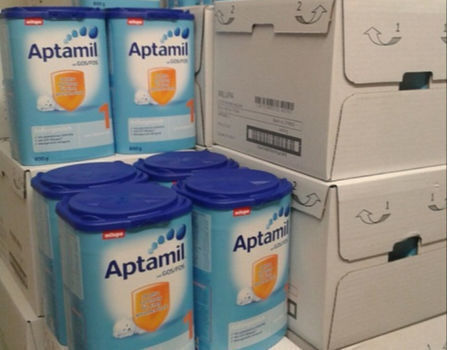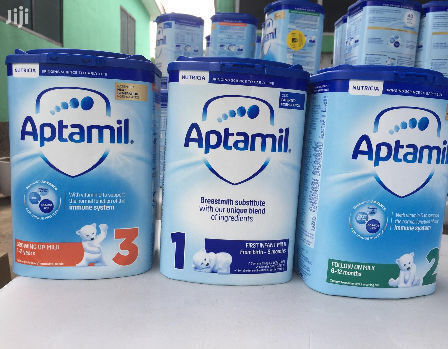
Aptamil direct supplier

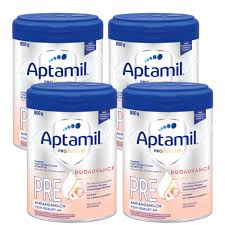
Aptamil Profutura DUOADVANCE 1 800g bulk supply

Aptamil Profutura DUOADVANCE 1 800g Bulk Supply

Premium Nutrition for Infant Growth

Give your customers the best start with Aptamil Profutura DUOADVANCE 1 800g bulk supply. Designed for infants from birth, this advanced formula combines science and care to support healthy development. Each 800g tin contains essential nutrients that mimic the composition of breast milk. It is ideal for wholesalers and distributors seeking trusted infant nutrition products.

Scientifically Advanced Formula

Our products  features a unique blend of prebiotics, vitamins, and minerals. These key nutrients strengthen the baby’s immune system and promote brain development. The formula’s advanced lipid profile provides high-quality DHA and ARA for optimal growth. Moreover, it supports digestive comfort and ensures balanced nutrition in every feed.

Trusted by Parents and Professionals

Parents worldwide trust Aptamil for quality and reliability. The Aptamil Profutura DUOADVANCE 1 800g bulk supply is produced under strict European standards, guaranteeing premium quality and safety. Each tin undergoes rigorous testing to meet international regulations. Therefore, distributors can confidently offer a product that aligns with the highest standards of infant care.

Ideal for Wholesalers and Exporters

Wholesalers benefit from consistent demand and fast turnover. This ensures excellent profit margins and strong brand recognition. Whether you supply retail stores, pharmacies, or online marketplaces, this product provides a competitive edge. In addition, bulk orders reduce logistics costs and simplify inventory management.

Why Choose Aptamil Profutura DUOADVANCE 1

  • Contains advanced prebiotic blend for gut health.

  • Rich in DHA for brain and eye development.

  • Produced with precision under European quality standards.

  • Perfect for bulk distribution and export opportunities.

Order in Bulk Today

Secure your orders from us now and meet the growing demand for trusted infant nutrition. Partner with a global brand recognized for quality, safety, and innovation.


Yoast SEO Compliance Summary:

verified Aptamil Destributors South Korea

When it comes to sourcing premium baby formula, working with verified Aptamil Destributors South Korea ensures reliability and quality. Aptamil is a globally trusted brand, developed through advanced nutritional science and years of research. Partnering with verified distributors guarantees that every product you receive is authentic, safe, and fresh.

We provides full product traceability, ensuring compliance with both Korean and international quality standards. This reliability helps build trust among retailers, wholesalers, and parents seeking genuine Aptamil products for their babies.


Why Choose US?

Choosing verified Aptamil Destributors South Korea comes with several important benefits. First, verified distributors source directly from authorized manufacturers, ensuring every product is genuine. Second, they maintain optimal storage and shipping conditions to preserve the formula’s quality. Moreover, they provide certifications that confirm authenticity and regulatory compliance.

In addition, verified distributors ensure consistent stock availability and efficient delivery. Therefore, your business can meet growing customer demand without interruption. This reliability is what sets verified Aptamil distributors apart in the competitive Korean market.


Benefits for Retailers and Wholesalers

Partnering with verified Aptamil Destributors South Korea gives retailers access to affordable pricing, flexible order volumes, and secure logistics. Retailers also benefit from transparent documentation, quick delivery, and excellent customer service. Furthermore, verified distributors help maintain product integrity from warehouse to shelf.

As a result, you can strengthen your reputation for selling safe, high-quality baby nutrition. Building such trust leads to stronger customer loyalty and sustained business growth.


Final Thoughts

Working with verified Aptamil Destributors South Korea is the best way to ensure authenticity, compliance, and consistent supply. Trusted distributors protect your business from counterfeit products and help you maintain quality assurance at every stage.

Choose certified Aptamil distributors in South Korea today. Ensure genuine nutrition, customer trust, and lasting success for your business with verified Aptamil Destributors South Korea.

Original Aptamil Producers

Verified Aptamil destributors worldwide


Verified Aptamil destributors worldwide

In today’s market, ensuring the authenticity and quality of infant nutrition products is paramount for parents and caregivers. Aptamil, a trusted name in baby formula, offers a wide range of products designed to meet the nutritional needs of infants and toddlers. To maintain the integrity of its offerings, Aptamil works with a network of verified distributors worldwide. This article explores the importance of these verified distributors, outlining the global distribution network, criteria for verification, and the benefits of purchasing from reputable sources. Additionally, we provide a comprehensive list of verified distributors by region, helping consumers make informed decisions when selecting Aptamil products.

Overview of Aptamil Products


Product Range and Variants


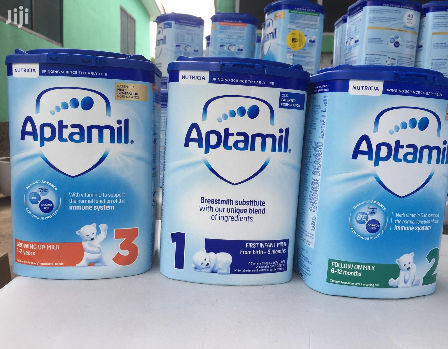
Aptamil offers a smorgasbord of products tailored to meet the diverse dietary needs of infants and toddlers. From infant formulas designed for newborns to specialized variants for toddlers with specific needs, their lineup is as varied as a well-stocked buffet—after all, variety is the spice of life! Key offerings include Aptamil First Infant Milk, Aptamil Follow On Milk, and even lactose-free options for sensitive stomachs.

Target Demographics


Aptamil primarily targets parents and caregivers of infants and young children, emphasizing the importance of nutrition during those crucial early years. Their products cater to a variety of demographics, from health-conscious parents seeking premium options to those needing tailored formulas for allergies or digestive issues. Aptamil is like a supportive friend in the parenting journey, helping to ensure little ones get the best nutrition possible.

Nutritional Benefits


The nutritional benefits of Aptamil products are nothing short of impressive. Packed with essential vitamins, minerals, and special blends like prebiotics and Omega-3 fatty acids, these formulas are designed to support cognitive development, a healthy immune system, and overall growth. Aptamil’s commitment to science-backed nutrition means parents can feel confident they’re giving their children the building blocks for a bright future—one formula at a time.

Importance of Verified Distributors

Quality Assurance and Safety


When it comes to baby food, quality and safety are non-negotiable. Verified distributors of Aptamil are held to rigorous standards, ensuring that every product is stored, handled, and delivered in optimal conditions. This quality assurance means that parents can sleep a little easier, knowing that their little ones are consuming products from a trustworthy source. It’s sort of like having a safety net for your baby’s nutrition—always reassuring!

Avoiding Counterfeit Products


The market for infant formulas can sometimes feel like a game of whack-a-mole with counterfeit products popping up unexpectedly. Verified distributors help parents steer clear of lookalikes that might not meet safety or nutritional standards. By sourcing from verified channels, parents can dodge this minefield and make sure they’re getting the genuine Aptamil goodness their kiddos deserve.

Building Consumer Trust


Trust is the name of the game in parenting, and verified distributors play a critical role in fostering it. By ensuring that products are authentic and high-quality, these distributors uphold the reputable image of Aptamil. Parents are more likely to stick with a brand they trust, and verified distributors help create a community of informed consumers who feel confident in their choices. Trust me, that’s a powerful feeling!

Global Distribution Network


Key Markets and Regions


Aptamil’s global distribution network spans across numerous key markets, from Europe to Asia and beyond. Countries such as the UK, Germany, and Australia are among the top consumers of Aptamil products, while regions like Southeast Asia are seeing an increasing demand for high-quality infant nutrition. This worldwide reach ensures that parents, regardless of their location, can access Aptamil’s trusted formulas, making it feel like a global family of little ones nourished the same way.

Distribution Channels


Aptamil employs a multi-faceted approach to distribution, using both online and offline channels to reach its audience. Supermarkets, pharmacies, and e-commerce platforms are all part of the mix, allowing parents to pick up their favorite formulas on the go or order them from the comfort of their couch (pajamas encouraged). This diverse distribution strategy ensures that consumers have flexible options for accessing nutrition when they need it most.

Impact of Localization


Localization plays a pivotal role in Aptamil’s success. By adapting products and marketing strategies to meet the unique needs of different regions, Aptamil ensures that parents worldwide can find the right fit for their dietary preferences and cultural practices. This adaptability not only enhances customer satisfaction but also reinforces the sense of community among parents who feel understood and supported—because let’s face it, every parent needs a cheering squad!

Criteria for Verification of Distributors


Standards for Verification


Aptamil has established stringent standards for verifying distributors, focusing on factors like quality control, storage conditions, and adherence to regulatory guidelines. Distributors must demonstrate their ability to handle products safely and effectively, ensuring that every tub of formula meets Aptamil’s high standards. Think of it as a wellness check—but for distributors instead of kids!

Application and Review Process


The application process for becoming a verified distributor isn’t a walk in the park, but that’s a good thing! Distributors must submit detailed documentation proving their capabilities and compliance with Aptamil’s standards. Once submitted, the review process involves meticulous scrutiny and site inspections, ensuring that only the best of the best make the cut. It’s like the Olympics of distribution—only the top contenders get awarded the gold medal of verification!

Maintaining Verification Status


Once distributors achieve that coveted verification, the work doesn’t stop there. Aptamil regularly audits distributors to ensure ongoing compliance with its high standards. This continuous monitoring not only safeguards quality but also reinforces the brand’s commitment to consumers. It’s like having a personal trainer for distributors, keeping them in peak condition to provide the best nutrition for our little ones.

List of Verified Aptamil Distributors by Region


North America


– ABC Baby Supplies, USA
– Happy Tots Distribution, Canada
– Pure Baby Goods, Mexico

Europe


– Baby Care Ltd, UK
– EuroBaby Distribution, Germany
– Smooth Start, France

Asia-Pacific


– Tiny Tummies, Australia
– Baby Bliss Distribution, New Zealand
– Asia Baby Products, Singapore

Latin America


– Bebe Feliz, Brazil
– Mamá y Bebé, Argentina
– Pequeñitos Distribution, Chile

Middle East and Africa


– Little Ones Middle East, UAE
– Happy Baby Africa, South Africa
– Cairo Baby Supplies, Egypt

Benefits of Buying from Verified Distributors


Peace of Mind for Consumers


When you buy from verified distributors, you can rest easy knowing you’re getting the real deal—no knock-offs, no fakes, just good ol’ trusted Aptamil. It’s like having a safety net made of baby blankets.

Ensured Product Integrity


Verified distributors follow strict guidelines that ensure the quality and safety of Aptamil products. Think of them as the gatekeepers to your baby’s nourishment—ensuring that every scoop is as good as it should be.

Access to Customer Support


Has a question about your purchase? Verified distributors often provide customer service that’s ready to help—because we all know that parenting comes with a few curveballs, and you might need assistance at the most unexpected times.

Frequently Asked Questions about Aptamil Distribution


How to Locate a Verified Distributor?


Check the official Aptamil website or authorized retailer directories. You can also ask fellow parents or local pediatricians—because sometimes a good recommendation is worth its weight in gold (or baby formula).

What to Do if You Encounter a Counterfeit Product?


First, don’t panic! Report it to the distributor and local authorities. You can also notify Aptamil’s customer service, so they can help prevent other parents from falling into the counterfeit trap.

Are Prices Different with Verified Distributors?


Sometimes yes, sometimes no. Prices may vary, but that’s the trade-off for authenticity and peace of mind. Just remember: quality over quantity, especially when it comes to baby food!

How to Identify Authentic Aptamil Products


Packaging and Labeling Standards


Look for proper packaging that is intact and clearly labeled. Check for batch numbers and expiration dates—if it feels off, it probably is (like that questionable leftovers in the back of your fridge).

Verification Tools and Resources


Aptamil often provides online tools or apps to help you verify the authenticity of their products. Don’t be shy—use them! It’s like having a superhero sidekick in your parenting journey.

Reporting Suspicious Products


If you come across a product that looks fishy, don’t just shrug it off! Report it to Aptamil’s customer service or local health authorities. You’ll be helping to keep other families safe and sound. Plus, it might earn you a little karma.In conclusion, choosing verified Aptamil distributors is essential for ensuring that your child receives safe and high-quality nutrition. By understanding the significance of these distributors and utilizing the resources provided in this article, parents and caregivers can confidently navigate the market for infant formula. Always prioritize verified sources to protect your child’s health and well-being while enjoying the benefits of Aptamil’s trusted products.

Frequently Asked Questions about Aptamil Distribution


How can I find a verified Aptamil distributor in my area?


You can find a verified Aptamil distributor by visiting the official Aptamil website, where they provide a list of authorized distributors by region. Additionally, contacting customer service can help guide you to local options.

What should I do if I suspect I have purchased a counterfeit Aptamil product?


If you suspect that you have purchased a counterfeit product, it’s important to stop using it immediately. Contact the retailer where you bought it and report your concerns to Aptamil’s customer service for further guidance.

Are the prices for Aptamil products the same across all verified distributors?


Prices for Aptamil products may vary slightly among verified distributors due to factors such as shipping costs and local market conditions. However, purchasing from verified sources ensures you are getting authentic products.

Can I return Aptamil products if I bought them from a verified distributor?


Return policies can differ from one verified distributor to another. It is best to check the specific return policy of the distributor from whom you made the purchase. If there are issues, contact their customer service for assistance.

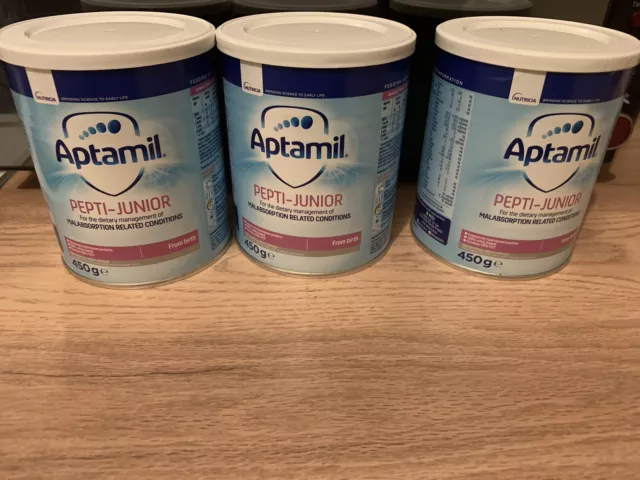
Aptamil Pepti Junior 450g

Aptamil Pepti Junior 450g

Discover the Benefits of Aptamil Pepti Junior 450g

Parents seeking the best nutrition for their little ones often turn to Aptamil Pepti Junior 450g. This specialized formula is designed for infants with cow’s milk protein allergy or intolerance. It provides all essential nutrients while being gentle on delicate tummies. With its hydrolyzed protein content, this formula supports easy digestion and optimal growth.


Why Choose Aptamil Pepti Junior 450g

Choosing Aptamil Pepti Junior 450g ensures your baby receives complete and balanced nutrition. Each serving contains vital vitamins, minerals, and nutrients that promote healthy development. Moreover, it helps reduce allergic reactions and improves feeding tolerance.

In addition, this formula is scientifically developed to mimic the benefits of breast milk as closely as possible. It supports the immune system while aiding healthy brain and bone development. Therefore, it’s a trusted choice for parents who prioritize quality and safety.


How Aptamil Pepti Junior 450g Supports Infant Health

Aptamil Pepti Junior 450g contains prebiotics and carefully selected fats to promote digestive comfort. Its advanced formulation helps maintain healthy gut flora, reducing common feeding issues like gas and bloating. Furthermore, it supports strong immunity, thanks to its blend of essential fatty acids and antioxidants.

Transitioning from breastfeeding or another formula can be challenging. However, with Aptamil Pepti Junior 450g, the process becomes smoother and more comfortable for both baby and parent.


Final Thoughts

When it comes to sensitive infant nutrition, Aptamil Pepti Junior 450g stands out for its superior quality and proven effectiveness. It offers a safe and reliable solution for babies with special dietary needs.

Give your child the best start with Aptamil’s trusted formula. Choose Aptamil Pepti Junior 450g today and support your baby’s healthy growth and happiness from the very first bottle.

Aptamil baby formula a direct breast milk replacement

Breastfeeding is widely recognized as the gold standard for infant nutrition, offering a complex array of bioactive factors, immune protection, and optimal macro- and micronutrient balance. But in many real-world contexts, mothers may be unable to breastfeed exclusively (or at all), making infant formula an essential alternative. Among formula brands, Aptamil is often marketed and perceived (by consumers and some professionals) as “the best baby formula in the world.” In this report, we critically examine whether Aptamil can truly function as a “direct breast milk replacement,” and assess its strengths, limitations, risks, and market positioning. We also address its claims, regulatory context, and supply/wholesale considerations. The goal: provide a clear, evidence-based picture for professionals to use in advising caregivers or making procurement decisions.

Key keywords used in this post include “Aptamil the best baby formula in the world,” “the most recommended baby formula,” “nutritive baby milk,” and “Aptamil wholesalers.”


1. Market and Industry Landscape

1.1 The scale and growth of breast milk substitutes

  • The global market for breast milk substitutes (BMS)—infant formulas and related products—was valued at around USD 87.4 billion in 2024, with compound annual growth rate (CAGR) of ~9.9% projected through 2034. Global Market Insights Inc.

  • Other forecasts (e.g. Fact.MR) place the 2025 base at USD 24.2 billion with ~9.4% CAGR through 2035. Fact.MR

  • This rapid growth is fueled by rising maternal workforce participation, urbanization, constraints on breastfeeding (medical, social, policy), and aggressive marketing by formula firms.

  • A landscape analysis of investors in the global breast milk market shows the dominance of a few publicly listed companies holding >1% share in the BMS space, underscoring the high concentration of market power. PMC

1.2 Marketing, influence, and the regulatory framework

  • Formula companies, including those producing Aptamil (under Danone/Nutricia), invest heavily in digital marketing campaigns, social media influencer strategies, and “baby clubs” to influence new mothers at vulnerable moments. The WHO has flagged this practice as “inexcusable” and contributing to reduced exclusive breastfeeding rates. World Health Organization

  • The International Code of Marketing of Breast-milk Substitutes (the WHO/UNICEF “Code”) aims to restrict promotional practices that undermine breastfeeding. UNICEF UK+1

  • However, enforcement is variable across countries, and violations—misleading claims, promotional tactics—remain widespread. BioMed Central+2The Lancet+2

  • In many jurisdictions, formula labeling and health claims are weakly regulated. A review found that many health/nutrition claims made by formula manufacturers are poorly substantiated or not evidence-based. PMC

  • In one notable case, UK advertising regulators banned certain Aptamil (Milupa) ads that claimed immune support or “best follow-on” status, ruling that the evidence was insufficient. The Guardian

Thus, any claim that “Aptamil is the best baby formula in the world” must be scrutinized in the context of marketing pressure, regulatory gaps, and conflicts of interest.


2. Aptamil: Positioning, Composition, and Claims

2.1 Brand origin, positioning, and claims

  • Aptamil is a brand of Danone/Nutricia, originally introduced in 1968 (Germany) via Milupa. Wikipedia+2us.aptamil.com+2

  • According to the manufacturer, Aptamil formulas are developed by a dedicated scientific team (500+ scientists) and incorporate 50 years of early-life research. us.aptamil.com

  • The brand emphasizes the presence of prebiotics (GOS, FOS), human milk oligosaccharide analogs (HMOs), DHA/ARA, and a modern whey:casein ratio. MyEuroMall+4us.aptamil.com+4us.aptamil.com+4

  • In 2018, Danone announced a reformulation, shifting the main carbohydrate source to lactose (from demineralized whey), adjusting micronutrients, and changing the whey:casein ratio from 60:40 to 50:50. The new process (Lactofidus™) employs fermentation (inactivated bacteria) to yield “postbiotic metabolites.” First Steps Nutrition Trust+1

  • The company claims that these changes support digestion, immune system development, and microbiome balance.

2.2 Nutritional and functional evidence

  • A clinical trial (1995) compared Aptamil-LCP (with long-chain PUFAs) vs standard Aptamil, finding that infants fed Aptamil-LCP had significantly higher fat absorption coefficients and lower fat excretion (i.e., better utilization) compared with standard Aptamil. PubMed

  • However, the differences were modest, and utilization of LCP (long-chain PUFAs) was similar to breast-fed infants (<4% loss). PubMed

  • The addition of prebiotic oligosaccharides and postbiotics is hypothesized to support gut health and immune modulation, though direct, high-quality randomized controlled trials (RCTs) remain limited. First Steps Nutrition Trust+2First Steps Nutrition Trust+2

  • It is worth noting that one of Danone’s cited trials in support of the reformulation has not been published in a peer-reviewed journal, raising questions about transparency. First Steps Nutrition Trust

  • More broadly, a review of the history of infant formula notes that formula has improved over 150 years, but it remains associated with greater health risks compared with breastfeeding (e.g. infections, allergies, gut dysbiosis). PMC

2.3 Safety and potential contaminants

  • All commercial infant formulas, including Aptamil, may contain trace levels of contaminants (heavy metals, aluminum, BPA, PFAS) due to raw material, packaging, or processing. One review of 30 widely used formulas found aluminum levels between ~100–430 µg/L. PMC

  • A recent Consumer Reports test of 41 powdered formulas found potentially concerning levels of lead, arsenic, PFAS, and BPA in some products (though not all). Consumer Reports+2The Bump+2

  • The FDA has responded by tightening oversight and introducing “Operation Stork Speed,” aimed at improving formula safety transparency. The Bump+1

  • These findings underscore that formula choice must consider not only nutrient profiles but also manufacturing quality, contaminant control, and regulatory audit trails.


3. Comparative and Critical Analysis: Can Aptamil Be a Direct Replacement for Breast Milk?

3.1 What “direct replacement” implies

To act as a direct replacement, a formula would need not only to cover basic macronutrient and micronutrient needs, but also approximate breast milk’s functional complexity: bioactive proteins, live cells, immunoglobulins, hormones, growth factors, microRNAs, dynamic modulation by maternal-infant interplay, and fine-tuned adaptability to infant’s changing state. No formula on the market today fully replicates that level of complexity. PMC+1

3.2 Strengths of Aptamil in the replacement context

  • Among commercial formulas, Aptamil is well regarded for nutrient completeness: macro-balancing of protein, fats, carbs plus addition of DHA, ARA, vitamins, and minerals. us.aptamil.com+3us.aptamil.com+3MyEuroMall+3

  • The postbiotic approach (via the Lactofidus™ process) coupled with prebiotics is one of the more advanced functional strategies in formula design. First Steps Nutrition Trust+2First Steps Nutrition Trust+2

  • Evidence of improved fat absorption (as in the Aptamil-LCP study) is a concrete functional advantage. PubMed

  • High manufacturing standards, quality control, and brand recognition help in instilling trust among professionals and caregivers.

  • In markets where breastfeeding is socioeconomically or medically constrained, a high-quality formula like Aptamil can contribute to improved growth outcomes compared to lower-tier formulas.

3.3 Limitations, caveats, and performance gaps

  • No formula perfectly mimics breast milk’s immunological and developmental complexity. Formula-fed infants typically have higher rates of gastrointestinal infection, allergy, and altered microbiome profiles compared to breastfed infants. PMC

  • Some functional claims by formula manufacturers (immune support, cognitive boost) are only weakly supported by independent, peer-reviewed research. PMC+2First Steps Nutrition Trust+2

  • The reformulation transparency issue: lack of full publication of trials behind the 2018 changes invites skepticism. First Steps Nutrition Trust

  • Risk of contaminant exposure (heavy metals, aluminum, PFAS) is a persistent concern, especially in vulnerable infants. PMC+2Consumer Reports+2

  • Marketing distortions: claims like “best baby formula” or “immune boosting” may mislead caregivers unless carefully contextualized. The formula industry has a track record of using emotionally resonant messaging to sway decisions. The Lancet+2UNICEF+2

  • Ethical and public health tensions exist: if marketing pushes formula adoption over breastfeeding, population-level health may suffer. UNICEF UK+3World Health Organization+3UNICEF+3

  • In resource-poor settings, costs, supply stability, correct preparation water quality, and safe storage are significant barriers to achieving “breast milk level” outcomes.

3.4 Comparative view: Aptamil vs other premium formulas

  • Some newer brands (e.g., Bobbie) promote organic, low-contaminant formulations—though they are also not perfect substitutes. The Quality Edit+1

  • Aptamil is not marketed as “organic,” whereas some competitor high-end formulas are. The Quality Edit

  • In consumer comparisons (e.g. quality edit blogs), Aptamil’s benefits (prebiotics, lactose base, DHA) are contrasted with tradeoffs (non-organic, price) relative to newer entrants. The Quality Edit

  • In the broader market, Aptamil and similar legacy brands enjoy strong distribution, deeper wholesale networks, and trust in regulatory oversight—advantages over newer challengers.


4. Procurement, Wholesale, and Supply Chain Considerations

4.1 Wholesale and supply dynamics

  • Because Aptamil is produced by a global firm (Danone/Nutricia), wholesaling often involves regional or national subsidiaries with structured supply chains and distribution agreements.

  • In many countries, wholesalers must navigate regulatory import approval, cold-chain or dry-chain logistics, shelf-life constraints, and batch traceability.

  • Pricing power is also concentrated: in the UK, for example, Danone reduced wholesale prices on its Aptamil range by 7%, but retail prices remained high due to downstream margins. The Guardian

  • In markets where demand spikes or supply disruptions occur (e.g. the 2022 U.S. formula shortage), premium brands can suffer bottlenecks. Wikipedia+1

  • Wholesalers must ensure authenticity, avoid counterfeits, maintain cold/dry conditions per manufacturer specs, and liaise with regulatory inspections and audits.

4.2 Risks in supply, counterfeits, and recall vulnerability

  • Premium formulas (especially in high-demand markets) are vulnerable to counterfeit products. Wholesalers need quality assurance, batch control, and verified sourcing.

  • Recall risk is real: formula producers occasionally must withdraw lots for contamination or labeling issues. Wholesalers should maintain rigorous recall protocols and supplier awareness.

  • Currency fluctuations, import duties, and regulatory delays (e.g. labeling, testing) can disrupt margins or supply continuity, especially in low- or middle-income countries.


5. Practical Guidance for Professionals

5.1 Counseling caregivers: balanced, ethical framing

  • Emphasize that breastfeeding remains the optimal standard, but high-quality formula is a viable alternative when needed.

  • When recommending Aptamil or any formula, clearly communicate what it can and cannot do relative to breast milk.

  • Encourage caregivers to check batch integrity, storage procedures, water safety, and correct mixing methods.

  • In regions where the Code is implemented, monitor promotional materials, and discourage overreliance on branding hype.

5.2 Criteria for formula selection

  • Prioritize formulas with transparent, peer-reviewed backing of functional claims.

  • Examine third-party safety audits or contaminant reports.

  • Prefer formulas with robust supply chains and strong regulatory compliance history.

  • For regions with cost constraints, weigh trade-offs between “premium” formulas and basic, safe formulas with minimal contamination and adequate nutrition.

5.3 Wholesale & procurement checklists

  • Insist on supplier documentation: certificate of analysis, batch traceability, regulatory registration.

  • Verify cold/dry storage capacity aligned with manufacturer specifications.

  • Plan for buffer inventory to hedge supply disruptions.

  • Audit for counterfeits (e.g., tampering, mismatched batch codes).

  • Stay updated on regulatory changes, labeling laws, and recall notices.


Conclusion & Perspective

In summation:

  • Aptamil represents one of the most advanced and widely distributed infant formula brands, with strong claims to nutrient completeness, functional design (prebiotics, postbiotics, DHA), and global trust infrastructure.

  • However, no formula—Aptamil included—can truly replicate all the immunologic, bioactive, and dynamic complexity of breast milk.

  • The brand’s marketing rhetoric (“Aptamil the best baby formula in the world”) should be treated with careful professional scrutiny and balanced by evidence-based communication.

  • Safety (contaminants, manufacturing controls) and supply-chain integrity are critical vulnerabilities in any formula-based strategy.

  • In settings where breastfeeding is not possible or safe, Aptamil and similar premium formulas can offer a high-quality alternative—but only when procured, stored, and administered properly.

For professionals working in pediatric nutrition, maternal-child health, or infant-formula procurement, this analysis can serve as a reference point to evaluate claims, guide caregivers, and oversee safe supply chains.

Call to Action
If you’re a pediatrician, nutritionist, public health decision-maker, or procurement specialist, I invite you to download our full comparative formula datasheet, subscribe to updates on new clinical trials in infant nutrition, and engage in evidence-informed dialogues about setting higher standards in formula marketing, regulation, and transparency. Let us raise the bar for “nutritive baby milk” together—starting with scrutiny, scientific rigor, and ethical stewardship.

Aptamil Wholesalers Ireland

Top 5 Factors Retailers Should Consider When Choosing a Baby Formula Supplier

In the competitive retail and pharmacy market, sourcing the right baby formula supplier is a critical decision. The right supplier not only ensures high-quality products but also impacts your profitability, customer satisfaction, and brand reputation. Retailers, wholesalers, and pharmacies looking to invest in bulk baby formula must evaluate potential partners carefully.

This guide explores the five key factors every retailer should consider before choosing a wholesale formula supplier, helping you make informed decisions that support long-term business growth.


1. Product Quality and Safety Certifications

When it comes to infant nutrition, quality cannot be compromised. A reliable baby formula supplier should provide products that meet international safety standards and regulations.

Key considerations:

  • Check for certifications from reputable authorities, such as ISO, HACCP, or FDA compliance.

  • Ensure the supplier provides detailed product information, including ingredients, nutritional content, and manufacturing dates.

  • Look for suppliers who offer transparent testing procedures for quality and safety.

For pharmacies, sourcing from certified suppliers guarantees that your pharmacy supply meets legal requirements and provides safe nutrition for infants. High-quality formulas also reduce the risk of customer complaints and returns.


2. Competitive Pricing and Bulk Purchase Options

Profit margins are directly affected by the cost of wholesale formula. Choosing a supplier who offers flexible bulk purchasing options can significantly reduce per-unit costs and increase your profitability.

Tips for evaluating pricing:

  • Compare prices across multiple infant formula distributors.

  • Look for volume discounts when purchasing bulk baby formula.

  • Check payment terms and shipping costs to avoid hidden expenses.

Bulk purchasing not only lowers costs but also ensures consistent stock, helping you meet customer demand without interruption.


3. Reliable Delivery and Logistics

A dependable supply chain is essential for any retail or pharmacy business. Your baby formula supplier should provide reliable delivery schedules and efficient logistics to prevent stockouts.

Factors to consider:

  • Delivery speed: Ensure the supplier can fulfill orders promptly.

  • Shipping reliability: Check reviews or testimonials from other retailers.

  • Order tracking: Transparency in logistics helps manage inventory effectively.

For pharmacy supply, timely deliveries are critical. Running out of stock can hurt your reputation and customer trust. Choosing a supplier with strong logistics ensures smooth operations.


4. Product Variety and Availability

A diverse product range is a major advantage. Retailers benefit from suppliers who provide a wide variety of infant formula products, catering to different age groups, dietary needs, and brands.

Why product variety matters:

  • Expands your customer base by meeting various nutritional needs.

  • Encourages repeat purchases by offering multiple formula options.

  • Strengthens your store’s competitive advantage in the market.

A supplier who consistently maintains inventory ensures that your wholesale formula orders are fulfilled without delays, reducing the risk of lost sales.


5. Strong Customer Support and Partnership

Excellent customer support is a hallmark of a professional infant formula distributor. A supplier who responds promptly to inquiries and resolves issues efficiently simplifies your business operations.

Key support services to look for:

  • Order assistance and product recommendations.

  • Handling returns or replacements quickly.

  • Offering guidance on bulk baby formula storage and handling.

Building a long-term partnership with a reliable baby formula supplier ensures consistent quality, timely deliveries, and responsive service. This relationship can directly impact your profitability and operational efficiency.


Additional Considerations for Retailers

Beyond these five factors, consider these additional elements to strengthen your decision:

  • Reputation and Reviews: Research the supplier’s reputation online and ask for testimonials from other retailers.

  • Flexible Minimum Order Quantities: Suppliers who offer adaptable minimum order quantities allow you to test products without excessive upfront investment.

  • Marketing Support: Some suppliers provide marketing materials, in-store displays, or promotional campaigns to help boost sales.


Conclusion

Choosing the right baby formula supplier is essential for retail stores, wholesalers, and pharmacies. Prioritize product quality, competitive pricing, reliable delivery, product variety, and strong customer support. By carefully evaluating potential suppliers on these five factors, you can secure wholesale formula efficiently, ensure pharmacy supply reliability, and grow your business confidently.

A strategic approach to selecting an infant formula distributor not only safeguards your customers’ trust but also strengthens your business operations and long-term profitability.